IMPETUS Citizen Science Toolkit
Aims and challenges
- What do you hope to achieve by doing this project?
- What social, economic, environmental problem are you trying to (contribute to) solve?
Scientific framing
- What is your research question?
- How can it be answered through citizen science?
- Have you identified any research hypotheses that you want to validate?
Timeline
- Over what time period do you want to carry out your project?
- What are the concrete results you need to achieve, and in which timeframe?
- Is there an endpoint/goal, or is it open ended?
Stakeholders
- Who is affected by and interested in the project and its outcomes?
- Who would be willing to participate?
Roles
- Who is doing what in the project?
- Are they part of the core team?
- Are they paid or engaging voluntarily, and what does this entail?
- Are there multiple ways to engage with your project depending on capacity?
Resources
- What resources do you need to implement your project, and how will you acquire them?
Reality check
- Are your expectations for your project and your citizen scientists realistic?
Ethics
- Have you considered the risks your project might pose, and how you mitigate them?
- What steps have you taken to prevent your project causing harm to your participants and the environment?
- How do you account for the needs, sensitivities and expectations of the stakeholders you are planning to engage?
Data
- What data do you need to collect to answer your research question?
- Who will collect and analyse the data, and how?
- Are you collecting sensitive data (locations, names etc.), and how do you process it safely if you do?
- Where and how will you store your data?
- How will you ensure quality in your dataset?
- Where are you going to publish your data?
- What kind of licence are you going to use?
- Do you have consent from your volunteers/citizen scientists?
Communication strategy
- Have you planned your capacity for communication and dissemination?
- What will your citizen scientists and the interested public want to find out about your project?
- Do you have a central point of information that you can link to?
Community engagement
- Who is in charge?
- Who should be part of your project community?
- What methods will you use to reach out to and build the community?
- What are you doing to make your project open and welcoming for different kinds of social groups?
Sustainability
- Do you need to make the project work long term?
- What results or main tools of the project need to remain available after the end of the project, and to whom?
- Do you think your project community should continue to exist after the project completion? If yes, how can you support this to happen?
- What resources are needed to keep these available after the end of the project?
Impact
- How will you move your project from answering your research questions to enabling positive transformation?
- How will you identify and maximise your scientific, social, economic, political and environmental impacts?
- How will you assess the impacts generated by your project?
- How can your project contribute to better policies?
- Which policy makers would be interested in the results of your project and how do you reach out to them?
What is Citizen Science?
Citizen science is the public participating "in scientific research activities when citizens actively contribute to science either with their intellectual effort or surrounding knowledge or with their tools and resources" (European Commission, 2014). The term covers a range of activities with different levels of participation, from data collection in projects led by trained scientists to co-designing research questions and policy, to science literacy and public engagement. To truly be considered citizen science it is important that projects have the intention to contribute to research, to produce new research-based knowledge, and for their activities to be carried out by participating citizens. Citizen participation is inherent to citizen science projects and their goals.
Citizen science projects differ in many ways, such as their goals, how they organise, the technology they use, or the way they engage with citizens and other stakeholders (Schrögel & Kolleck, 2019). Throughout this toolkit, we aim to give recommendations that could be relevant or adapted to the many different types of projects that were represented within IMPETUS.
About IMPETUS
IMPETUS was a four-year project funded by the European Commission under the Horizon Europe programme, dedicated to transforming the way citizen science (CS) is conducted across Europe. At its core, the project developed and implemented an Accelerator Programme delivered through three successive rounds, designed to support and scale citizen science initiatives (CSIs) by enabling them to access innovative funding schemes and tailored capacity-building support. Over the course of the project, IMPETUS supported a total of 129 CSIs.
We brought CS closer to society and policymakers and to acknowledge its role in tackling the greatest challenges of our times with a strong focus on applications of CS that can advance the Green Deal and the United Nations (UN) Sustainable Development Goals (SDGs).
The European Green Deal is a set of policy initiatives developed by the European Commission with the overarching aim of making the European Union (EU) climate neutral in 2050. It was approved in 2020.
The SDGs or Global Goals are a "shared blueprint for peace and prosperity for people and the planet, now and into the future". They are 17 interlinked global goals, set up in 2015 by the United Nations General Assembly (UN-GA) and are intended to be achieved by 2030.
The IMPETUS programme supported Citizen Science Initiatives through:
- Three Open Calls, selecting the initiatives based on expected impact; ambition of volunteer engagement; equality, diversity and inclusion (EDI); openness and quality data. We offered €20k to kick-start CSIs and €10k to sustain CSIs addressing the pressing needs of European society.
- A training Bootcamp and 7-month Accelerator that provided an integrated programme of peer learning, training, mentoring, and tailored resources.
- Launching the EU Prize for Citizen Science, awarded to CSIs for outstanding achievements, allowing them to continue and expand their work and showcase it to a broader audience. We awarded 3 prize categories: outstanding achievements, diversity and innovative grassroots projects. Each time, we brought together a diverse expert advisory panel to identify exceptional nominations and a citizen's panel to vote in the grassroots category.
The IMPETUS Toolkit
The IMPETUS toolkit is the ultimate collection of resources and case studies for those interested in doing citizen science the IMPETUS way. It builds on an earlier toolkit developed by the ACTION project. The toolkit draws on a variety of different fields including citizen science, participatory design, social innovation, open science, collective intelligence and others, to ensure it meets the needs of citizen science initiatives and addresses the practical challenges they face at different stages of development. It aims to provide resources relevant to projects, irrespective of their status, scale and maturity, reflecting the diversity of experiences encountered throughout the IMPETUS project.
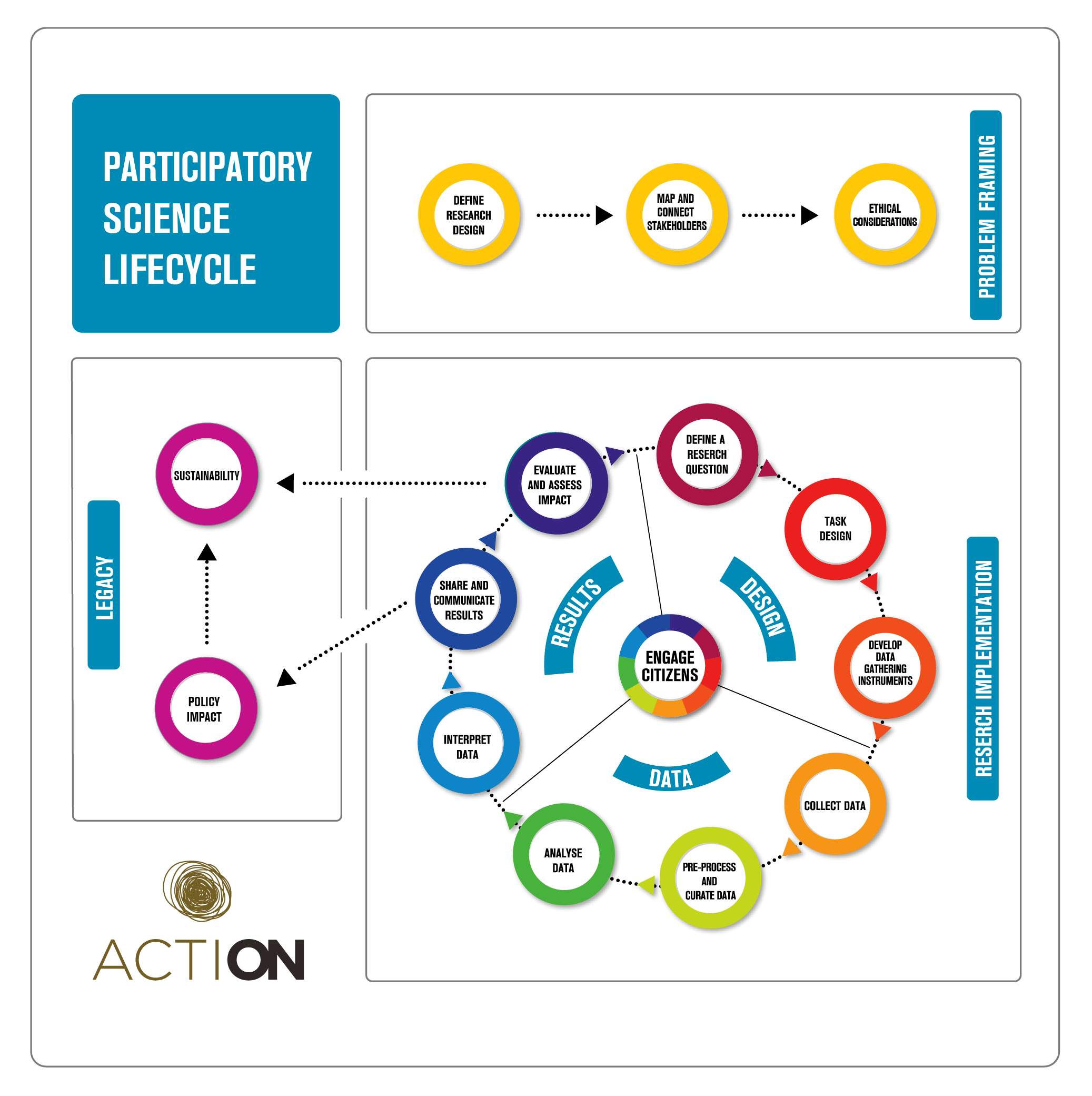
Figure 1: The Participatory Science Lifecycle, (courtesy of the ACTION project).
Who is this toolkit for?
This toolkit is meant for citizen science projects of all kinds, and everyone who wishes to apply citizen science methods. It can be used by citizen volunteers, local communities interested in starting a citizen science project, researchers wishing to engage with citizens in their work, or public authorities interacting with citizens or working on policies where citizen science insights are relevant. We hope it will help them to plan, create, improve, and maximise the impact of their projects.
The toolkit follows the participatory science lifecycle (Figure 1). The lifecycle helps to orient your project through three stages: problem framing, research implementation, and legacy, which each include a number of steps that projects can take. The framework aims to provide guidance on what a CS project could do, and a potential order of things; it helps to break down the steps, and provides a structure that is broadly applicable. How you move through the different stages and steps will look different for each project. Citizen engagement, while often focused in the research implementation phase, should ideally happen throughout the entire project lifecycle.
While the layout of the lifecycle may suggest a neat sequence, in practice projects will find that there are feedback loops and iterations, and that some steps will have to be taken multiple times, while others can be skipped altogether. Looking at the lifecycle as a tool in its own right will help projects understand what they have to do and consider in future, supporting their awareness and planning in earlier stages.
Problem framing
The purpose of this phase is to define the basic project design, engage relevant stakeholders, and address the ethical considerations of the proposed project. At this stage, the entire project lifecycle should be considered in order to set appropriate goals. This includes considering the intended impact and how the project will be sustained and financed in the long term.
Research implementation
This encompasses three phases:
- During the design phase, projects define their methodology, create tasks for participants, and select or develop appropriate data gathering instruments.
- In the data phase, projects acquire, curate, process, and analyse their data.
- In the results phase, projects summarise, publish and disseminate their findings for different stakeholder groups, and assess their impact on both the issues they are trying to address, and society, including their own participants.
Legacy
At this stage, projects often focus more on dissemination, policy impact and work towards the sustainability of both their community and financial resources. Planning for this phase should begin early, particularly with regard to policy impact, as this may influence the overall design and framing of the research.
The toolkit offers an introductory overview and guidance, complemented by a selection of tools, recommendations and case studies for each phase and stage, to support CS projects in understanding and replicating best practices.
The toolkit is not intended to be exhaustive, but rather to reflect the collective experience and expertise gained through the IMPETUS accelerator, as well as from the wider citizen science community. It includes tools and resources developed both by partners during IMPETUS (and ACTION) that have demonstrated their practical value.
Problem Framing
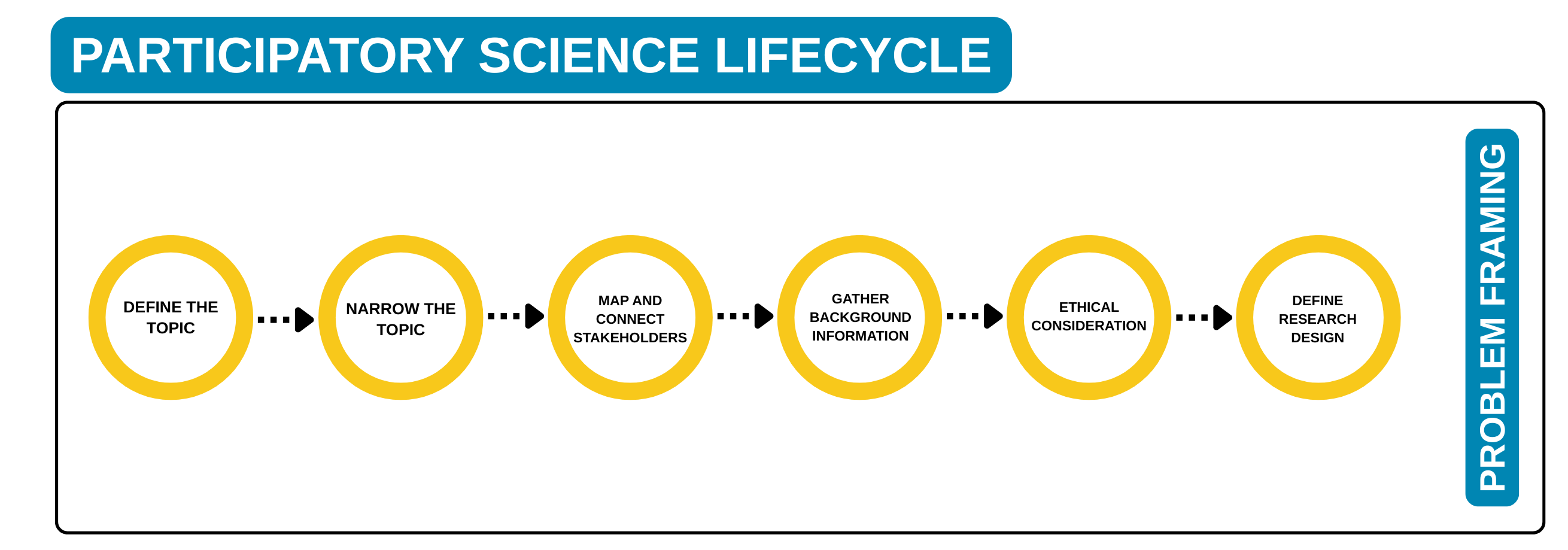
Figure 2: The different steps of the problem framing process (courtesy of the ACTION project).
During problem framing, projects define and refine what they want to do, and why. They outline the problem they want to solve, narrow it down to a specific aspect they want to address and gather relevant background information to inform their approach. At this stage, they also begin outlining a plan of action and defining their intended outcomes. They also explore whom they need to engage, both as citizen scientists, and as external stakeholders. By the end of this phase, projects should have well-defined goals and a clear, structured plan for the research.
In defining and framing the problem, projects should consider the following questions:
- What is the issue at the heart of the project? Why should people care about it?
- Is the project timely? Has the issue been addressed before, and if so, why is now a good time to do so again?
- Who are the relevant stakeholders? Who would have an interest in this issue, and why? Who will be impacted by the project?
- What are the geographic boundaries of the issue / the project?
- What is the timeframe of the project; is there a set deadline, or will it be a continuous effort?
Three steps to cover in this phase, which should be seen as iterative rather than sequential:
- Define the research design
- Map and connect the stakeholders
- Consider research ethics
Defining the overall topic should be treated as a starting point, as everything else will flow from this initial spark. Gathering background and contextual knowledge help to narrow the focus, while further refining the topic often reveals the need for additional background information. If the topic is already well-understood by the project team, narrowing the topic may not be necessary.
Particularly for grassroots citizen scientists and those without scientific training, a local library can be a fantastic resource to find information on a variety of topics. You can use their local or online catalogues to find relevant books and articles, or even policy reports. Librarians will be happy to help you get started using their systems. Online platforms, such as Google Scholar or Researchgate, allow you to search for research publications in a specific area, and often provide access to the research output, or contact to the authors. Most researchers will be happy to send you a free copy of their publications, if these are behind paywalls.
It is also useful to explore the landscape of citizen science, as well as the issue at hand. Maybe there are other citizen science projects or communities already working on a similar issue, or scientists at the local university interested in the issue already. There might be businesses or (non-governmental) organisations already addressing the problem, who could be powerful allies. The stakeholder mapping tools provided below can help support and structure this process.
Commonly, the framing of a problem is decided by the individuals who start the project. Grassroots projects may be framed by citizen scientists and local residents, for example, but more established research projects tend to be framed predominantly by scientists. However, this is not a fixed rule, and it is important to consider if other stakeholders should be involved in helping to set the research focus from the outset.
For example, a group of citizens may want to improve air quality in their neighbourhood. From that shared issue, they decide to take action and do something about it. With this decision made, the citizens will need to look for background information about the problem: How is air pollution defined? How is it measured? What is already known about air pollution in their city? This will allow them to start narrowing their focus, such as to measure a specific type of pollutant, or to influence a policy decision by their local council. That, in turn, may lead them to investigate which sensors might be useful to deploy, or exactly how the decision they are seeking to influence is made, and what options they have to engage with councillors.
On the other hand, a project could start with a group of researchers interested in the effects of air pollution on health. They might then decide to engage citizens in measuring air quality in different locations across the country, and link this data to health issues reported in those areas. A researcher will likely already have some background knowledge in their respective field, and thus will focus on the specifics of the project, such as which locations would be best, or how to motivate citizen scientists to work with them.
Regardless of the project type, at the end of the problem framing phase, the project initiator(s) should have a clear view of what they want to achieve broadly (e.g. convince policy makers to address the issue of air pollution in the neighbourhood) and specifically (e.g. collect data about the levels of air pollution with a number of sensors located at citizen scientists' homes for several months), and why this is important. Project goals and scope should be clearly documented before moving on to the implementation phase.
Research Design
The research design begins with the definition of the project goals and involves the development of a comprehensive implementation plan, including data collection and analysis, as well as the roles of participants across the various stages of the project. The research design provides the overall framework for the project, connecting the broader research objectives with more specific research tasks (which are discussed in the 'Task Design' section of this toolkit). All CS projects need to define their research questions and agree on the methodology or protocol they will follow to carry out the data collection.
Research design depends on project goals. If the project wants their research results to be robust enough to serve as evidence for policy makers or professional researchers, they may need external expertise. Sometimes the project research design may follow naturally from the project goals. For example, a grassroots citizen science project focused on understanding the level of air pollution in a specific area, a straightforward approach may involve using sensors to measure pollution levels. Similarly, in the HEAT WatchErs in Action project, young participants were trained as "heat watchers" and tasked with monitoring indoor thermal comfort in their households. Using sensors and innovative "Heat Diaries," they recorded their daily thermal perceptions, while their parents contributed additional insights through surveys.
Other projects may be more complex and pose unique challenges for the question of research design. Longer projects may involve multiple stages or parallel processes of data collection and analysis which may need repeating and adapting. For example, the RE-TASTY project set out to involve students in understanding the food environment in schools in the Netherlands. They involved students in framing the research questions and designing data collection instruments. The aim is for the project to be iterative, with the process repeated with new students annually or biennially to generate a longitudinal dataset that means changes can be monitored over time.
It is also important to consider how the research design functions in terms of scale. Large-scale research projects conducted globally or internationally need a research design that can be performed by a high number of participants in diverse locations. For example, the Neuro(Minorities) project was designed as an international online citizen science initiative, enabling neurodivergent participants and allies from multiple countries to contribute asynchronously through digital platforms. This approach allowed for broad participation while accommodating different accessibility needs. This is also true of online projects, although this can be facilitated with a platform through which data can be submitted electronically via a website or app, through social media, or text messages.
At the end of the research design phase, projects should know what they want to find out, what data they will need in order to do so, how they will collect this data, and how their participants will be engaged in achieving the project goals. While defining their research design and methodology, projects may want to identify and reach out to stakeholders who would benefit from the data or outputs from the project, to ensure their results will be relevant and reusable for them (Roman et al., 2020).
What are the underlying values that motivate you to start a citizen science project? The Assessment and Support template has been designed to help carry out a structured analysis of values by citizen science project leaders and designers. Initially working on a values matrix, this worksheet helps map these onto project objectives, and aids decision making to steer the direction of the project. This tool was developed by the ACTION Accelerator.
Download
Project Name: Neuro(Minorities)Science
Country: UK
Topic: Accessibility for neurodivergent people in digital citizen science
Communities engaged: Neurodivergent citizen scientists and allies from multiple countries.
What they did: Neuro(Minorities)Science was an international online citizen science project focused on improving accessibility for neurodivergent people in digital citizen science. It brought together a working group of neurodivergent citizen scientists and allies to identify accessibility barriers and co-create practical recommendations. Through an online, asynchronous process, participants shared experiences, contributed to analysis, and collaboratively developed a set of accessibility guidelines.
Research design: the project followed a participatory, lived-experience-based research design. An international online working group engaged asynchronously through written contributions, enabling inclusive participation across contexts. The process combined ideation, collaborative analysis of qualitative data, and co-creation of outputs, demonstrating how research design can support inclusive and distributed participation in digital environments.
Stakeholders in Citizen Science
The people and organisations with an influence on or interest in the project are collectively termed the project's stakeholders. There are six main stakeholder groups in citizen science (Göbel et al., 2017):
- Academia and research organisations
- Individual volunteers
- Government agencies or departments
- Informal groups / community members
- Educational institutions
- Businesses and industry may have a stake in these projects, for example as providers of sensors or expertise, or as polluters in the area
In our example of a neighbourhood air pollution project, the citizens are the project's initiators, and they design the projects' delivery. The local council, as policy makers, may also be stakeholders because the results of the study could influence policy decisions. Other stakeholders include citizen scientists that the project initiators recruit, who may be brought on board to consult on the design of the experiment, as data gatherers or data analysers. The project may also involve open source hardware designers as stakeholders who advise on the use and distribution of sensors.
In the example of a researcher-led investigation of health effects of air pollution, the researchers - who have an existing expertise in the research area - initiate the project. They recruit citizens - who may or may not be affected by the problem that they are studying - to become citizen scientists. While definitions vary widely, in these examples citizen scientists can be considered to be those working on the project outside of their professional environment, whereas researchers are understood to be working somewhat within their professional environment. Other stakeholders could be policy makers - those who engage with the project as someone able to influence policy or legislation, citizens - members of the community or members of the public who are not engaging with the project directly, and participants - those who are engaging with the project in a less active way than citizen scientists.
While professional researchers do not have to be the initiators of citizen science projects, it is recommended that projects involve a scientifically trained advisor, to ensure a genuine science outcome.
It is important to understand who the relevant stakeholders are to maximise chances of a citizen science projects' success (Skarlatidou et al., 2019). Early on, it is helpful to identify the key actors connected to the challenge you want to address. This early identification will help decide whom to involve, when, and for what purpose. It is also important to remember that any single person can represent multiple stakeholder groups at once, by being, for example, a policy maker and a participant, and that each person and stakeholder group can fill different roles at different times in the project.
When identifying key actors, it must be kept in mind that in citizen science, commitment to inclusion and diversity is essential. Ensuring a project is truly representative requires engaging a wide range of stakeholders, not only across different roles and institutions, but also reflecting diverse lived experiences, social backgrounds and local contexts.
Once these key stakeholders have been identified, the next step is to reflect on their motivations and potential barriers to participation. This understanding is essential to design appropriate engagement strategies, lower entry thresholds, and create meaningful incentives that encourage sustained collaboration. Building trust with all stakeholders involved in the issue is crucial, even if it is not possible to engage deeply with them during the initial phase. Project organisers should at least make the effort to establish contact and start building relationships from the start.
The following questions can help assess stakeholders' relevance, influence and engagement needs:
- What is this stakeholder's relationship to the challenge being addressed, and what value can they contribute?
- What influence or decision-making power does this stakeholder hold, and what would be the implications of their non-participation?
- What barriers and motivations may affect their participation, and how can engagement be designed to be inclusive of different abilities, literacy levels and socio-economic conditions?
Stakeholder mapping is more commonly done in the context of business and innovation, but can be crucial to explore the environment and community around citizen science projects as well. Mindtools offers a template and process that can be used for citizen science projects, too.
Project Name: Map4Rec - Mapping Urban Spaces with Refugee Youth Through a Location-Based Game
Country: Netherlands
Topic: Inclusive urban planning and access to green and recreational spaces through place-based citizen science
Communities engaged: Refugee and temporarily displaced children and youth, their families, volunteers, local community members, partner organisations, and municipal authorities.
What they did: Map4Rec is a place-based citizen science project that invited refugees and temporarily displaced children and youth to explore and document urban green and recreational spaces in their cities. Participants collected insights based on their lived experiences, supported by families, volunteers, and community members. Partner organisations and municipalities were involved in supporting participation and in using the findings to inform more inclusive, child-friendly urban planning processes.
Engagement: The project engages a diverse set of stakeholders throughout its phases, including refugee and temporarily displaced children and youth, their families, volunteers, local community members, partner organisations, and municipalities. Stakeholders are involved not only in supporting participation but also in using the collected insights to inform more inclusive and child-friendly urban planning. This approach ensures that knowledge grounded in lived experience is meaningfully integrated into local decision-making processes.

Project Name: BREW - Beyond Recycling of E-Waste
Country: United Kingdom
Topic: Circular economy and sustainable management of electronic waste (e-waste)
Communities engaged: Citizen scientists, local communities, recycling centre staff, local authorities, waste managers, and industry actors.
What they did: The Beyond Recycling of E-Waste (BREW) project addressed the issue of unused but repairable electronic devices in the UK. Citizen scientists collected data at recycling centres, while local authorities and waste managers were consulted to understand existing practices. Public surveys captured strong support for reuse over recycling, and these insights informed policy recommendations highlighting gaps between public demand and available services.
Engagement: The project engaged a diverse set of stakeholders throughout its phases, including citizens, public authorities, and industry actors. By combining citizen-generated data with institutional and sectoral perspectives, BREW demonstrated the value of inclusive, multi-stakeholder collaboration in shaping more sustainable and circular e-waste management practices.

Project Name: Heat Watchers in Action
Country: Spain
Topic: Extreme heat, climate change impacts, and urban vulnerability in metropolitan contexts
Communities engaged: Children from urban households, families, teachers and schools, researchers, public authorities, and citizen science organisations.
What they did: Heat Watchers in Action is a citizen science initiative focused on understanding the impacts of extreme heat on vulnerable urban households with children in metropolitan Barcelona. Children participated as citizen scientists through schools, supported by teachers and families who contributed local knowledge, facilitated data collection at home and in classrooms, and took part in the interpretation of results. The project also engaged public authorities and citizen science bodies, enabling integration into public education programmes and the co-production of dissemination outputs.
Engagement: The project engages a diverse set of stakeholders throughout its phases, connecting education, research, and public institutions through a school-centred engagement model. This approach ensures trust, accessibility, and meaningful participation beyond data collection, while strengthening the project's impact, sustainability, and potential for replicability.
Research Ethics
Research should do no harm - this is true for professional science, as well as citizen science. Projects should consider what potential harm their activities could cause, to their participants, their objects of study, or their wider environment. When embarking on a project, all potential risks should be identified and assessed, and mitigation strategies developed, preferably in a formal risk assessment. While it may be tempting to dive straight into practicalities or the research topic in more depth, it is imperative for projects to consider the risks and implications of their work before that. Only if these ethical questions are considered from the very beginning can the project itself evolve addressing them. Trying to do so retrospectively is likely to result in sub-par approaches that are not able to materialise all the benefits a project could have, or even inadvertently causing harm. This could have negative effects for the projects and its stakeholders, especially in the form of reputational or even legal damage; or for the citizen scientists, their community, or environment.
Projects will have inherent risks to participants, which can constitute anything from inadvertent exposure to harmful materials while collecting samples, to exposure of sensitive personal information. Participants should be made expressly aware of the risks and mitigation strategies that may affect them prior to commencing their engagement in the project. The principle of informed consent to engagement and the risks it entails is vital; merely gaining acknowledgement does not suffice. The risks of engaging with a project must be explained in plain terms, such that the citizen scientists have understood the possible implications of their participation, and actively agreed to take these risks for themselves. It is also important to note that, as volunteers, citizen scientists will not be protected by the same institutional insurance and labour laws that are afforded to paid project staff. The specifics of regulations relating to personal liability and injury vary depending on national and institutional regulations, and should be checked and clarified before participants are recruited. This formalisation of risk assessment and mitigation should be approached in conjunction with best practice on safeguarding participants.
Projects also have a responsibility to safeguard the environment and those inhabiting it. Without proper training, there is a risk that citizen scientists working in sensitive ecosystems could unintentionally do harm to their objects of study or the surrounding environment (Palmer et al., 2020). Furthermore, data collection alone, without adequate links to the social context, has the potential to have an unexpected negative impact on environmental health. The higher capabilities of citizens to monitor environmental factors has been suggested to lead to a scaling-down of monitoring by regulatory bodies (Goeschl & Jürgens, 2012). The Safecast project was a low-cost radiation monitoring project which arose in response to the Fukushima disaster. While it was a success story in terms of citizen engagement and data collection, due to a complex interplay of different stakeholder aims, it led to citizen scientists counterintuitively collaborating with nuclear lobbies to downplay the extent of landscape radiation poisoning (Polleri, 2019). Research can also cause other forms of unforeseen harm: a study involving the introduction of fines for parents who picked their children up late from a day-care centre ended up worsening parents' behaviour, as the fine was perceived as a price for a service, which the day-care centre was unable to revoke (Gneezy & Rustichini, 2000).
A thorough risk assessment should be made after stakeholder analysis to pinpoint "flashpoints": contentious topics or those that could create a strong emotional response, topics that have the potential to be traumatic or triggering. Mitigation measures can include having an observer or facilitator present, or setting out / co-creating guidelines for discussions that are shared with all participants in advance.
Lastly, citizen science research should ensure that it is not "extractive" - it should ensure that the project benefits not only an organisation or researcher, but also the community the project engages with. Projects should also consider that, if their community is diverse, different members of this community may have different expectations, depending on their culture and lived experience.
Professional researchers may have access to ethics boards or review processes that help them conduct these risk assessments, identify issues and devise mitigation strategies. This may not be the case for citizen science projects, who need to find alternative ways to ensure their assessments and strategies are sound. One simple way of doing this would be to co-create the risk assessment with their participants, or share it with some of their stakeholders. We provide a research ethics checklist that can help projects work through these questions in a structured way. Project owners should be aware that this process of identifying, assessing and mitigating risks can take considerable time, and therefore needs to be planned into the overall timeline of the project.
Questions to help you consider ethical implications:
- Do any of the activities you plan have the potential to cause harm, either directly or indirectly, to your citizen scientists, or anybody else who will be involved or impacted by the project?
- Harm can mean many things, from making people uneasy, to causing discomfort or even physical injuries; or affecting people's reputation or livelihoods.
- How will citizen scientists and others who may be affected by it benefit from your project?
- Do the people who could be affected, either directly or indirectly, know about the project and why it's happening? Have they given their consent, and had an opportunity to object?
- It is important to consider power imbalances in this context, for example if you plan to engage with people who are dependent on some element or stakeholder of your project, or if you work with minors or elderly people who may not be able to give informed consent.
- Will any personal data be collected, about participants or others? Do participants expect anonymity and what measures can be taken to ensure this?
- If you work with personal data, please read our guidance in the Data section.
- Will your project attract media attention? Does this change the risk of harm and the protections that need to be in place? Why?
Project Name: Turning plastic awareness into climate action: Lessons for the planet
Country: United Kingdom
Topic: Public trust, education and empowerment
Communities engaged: Primary school children around Cornwall (southern UK).
What they did: This project engaged children in designing communication methods for the dangers of plastic pollution as well as developing sustainable responses to such pollution that could be followed or even led by children.
Data & Ethics: due to the engagement of human participants and the focus on children, the project team were required to complete an ethical review through the University of Plymouth. Despite planning and preparing for the review in plenty of time, the review and revision process took longer than initially expected. As a result, planned outreach activities with schools were delayed and the project plan had to be updated with scheduled activities rearranged.
Common Ethical Issues
The IMPETUS project supported over 125 citizen science projects to plan, carry out and evaluate their citizen science activities. As part of this process, projects produced a workplan which covered potential ethical and data management concerns anticipated within the project as well as mitigation strategies. These workplans were then reviewed by the IMPETUS consortium as well as an independent ethics advisor. Based on this review, we identified the following recurring ethical concerns that projects often failed to fully consider or address:
- Location and legal jurisdiction: when considering legal and ethical issues that may arise in projects, it is important to consider the national, cultural and legal frameworks which impact participants. For international and particularly online projects, this may be more complex and requires prior planning. Remember that legal regulations impacting data collection and management can be influenced by the inclusion of participants from specific countries -- for example, GDPR applies to data collected from any EU country even if processing takes place elsewhere.
- Image review: where projects allow for images or video content to be uploaded, there is a possibility for sensitive or even illegal data or metadata to be uploaded, potentially causing harm to viewers and leaving projects liable. Even where images are not themselves sensitive, they may contain sensitive information such as location indicators or geospatial metadata. Projects should plan to review and (where necessary) edit or delete images prior to their use or release.
- Data auditing: as well as reviewing data for sensitive content, the use of non-expert contributions in citizen science means that submissions may be inaccurate or incomplete. Projects should consider methods for auditing and evaluating data such as managing redundancy, comparison with gold standard submissions, manual review or majority submission evaluation.
- Informed consent: informed consent is an important principle in participatory research such as citizen science. However, it is not enough to simply assume informed consent. Where possible, projects should actively record and document the consent of participants. This evidence of consent may itself represent sensitive data if it contains identifying details of the consenting participant(s) and should be processed and stored accordingly.
- Responsibility: where projects are led by multiple individuals or even a team, it is important to identify who will be responsible for the management of data. This individual will typically have responsibility for managing research data; addressing data-related queries from participants and other stakeholders; and preparing and managing datasets for release.
- Data justice and benefits: as well as advantages for research teams, projects may tout benefits to participants or communities such as empowerment and learning. If this is the case, it is important to consider how these advantages will be brought about. Who will be responsible for effecting these benefits? How will they be implemented? And how – if at all – will they be evaluated?
Safeguarding in Citizen Science
Participatory projects and citizen science are powerful methods that can have significant impact both on the project outcomes and those participating. This high potential for positive impact is matched by just as high a potential for inadvertent and unintended harm. Creating participatory projects and working with citizen scientists requires careful consideration, upfront planning and continued monitoring to ensure both the safety and continued wellbeing of those taking part (Resnik, 2019). Here we present some important considerations for safeguarding in citizen science, including the importance of the social context of the project, and the requirement to protect the rights of their participants.
Understanding the social context of your project
Once the stakeholders for a project have been identified, the power dynamics within these stakeholders should be understood and acknowledged. Power dynamics have an implication on how responsibility and tasks are apportioned, and how different stakeholders feel they can act within a project. The designation of responsibility within a project depends on the organisational structure - how project organisers and initiators interact with each other. If a project is hierarchical in structure, the responsibility for safeguarding falls clearly within the purview of the core project team. In all cases, the principle of informed consent to engagement and the risks it entails is vital; merely gaining acknowledgement does not suffice. The risks of engaging with a project must be explained in plain terms, such that the citizen scientists have understood the possible implications of their participation.
Protecting vulnerable groups
Not all groups are equally exposed to risks and harms in research. Some groups may be more vulnerable than others. One reason for this may be due to difficulties understanding and fully consenting to engage in research – for example, children, the very elderly, people with mental health conditions or disabilities or even immigrants who may be subject to language barriers preventing them from understanding materials. Another reason, however, may be because of the risk of harm or negative reactions from the wider public. This group may include any minority or stigmatised groups including ethnic minorities, religious minorities, migrants, refugees and LGBTQ+ people to name some groups.
In some cases, projects will knowingly collect data from these groups. If a project works with refugees, for example, then the project team will already know that they are gathering data from vulnerable individuals. In other cases, projects may collect data from vulnerable groups without significant chance for harm – consider, for example, a bird watching project, which collects bird sightings using a set of closed-questions. If questions are considered carefully, then it should not matter (or even be visible) whether data is submitted by a vulnerable individual or not.
Even so, projects should carefully consider the potential for submissions from vulnerable groups. When designing data collection and management protocols, researchers should stress-test their methods to assess if they are inadvertently exposing sensitive information, even when data is anonymised. In some cases, individuals may still be identifiable through indirect or contextual information, which can pose additional risks. Project leads should therefore take particular care when handling sensitive forms of data as outlined in GDPR, and ensure that appropriate safeguards are in place throughout the data lifecycle.
Managing commitment and capacity
Operating outside of established safeguarding structures, it is important to be aware of the risk of overcommitment to a CS project, particularly in the case of projects where the citizen scientists are particularly invested in the outcomes - for instance where the intention for engaging is to effect change in the citizens' environment. This risk can be addressed at multiple points in a CS project. In designing the project, the initiator manages the expected workload and time commitment of citizen scientists through levels of participation that can be navigated so that a participant who is overwhelmed can scale back the amount of time or energy they devote to the project. To some extent, and particularly in larger projects, the risk of burn-out in a project can be reduced by effective communication strategies such as rewarding and acknowledging contributions and commitment to the project (Land-Zandstra et al., 2021). In smaller projects where there may be additional pressures from interpersonal relationship expectations, it is important to keep personal channels of communication open and to take the initiative in checking on the welfare of participants. Project initiators and professional researchers who may be working with volunteers for the first time should also monitor their own wellbeing as part of safeguarding.
Find additional resources on safeguarding in the Safeguarding data section of the toolkit.
Project Name: Hope Home Fungi Lab
Country: Ukraine
Topic: Resource Management
Communities engaged: Local volunteers from Kyiv.
What they did: Hope Home Fungi Lab aimed to support regeneration and rebuilding efforts in Ukraine by researching the development of building materials made from fungal mycelium. As well as lab-based co-design activities, the project planned walk and talk activities in local wetlands and experimentation with potentially toxic building materials such as asbestos.
Safeguarding steps: In discussion with the IMPETUS consortium and their mentor, the project expressed that some locations where project activities may take place could be dangerous. Wetlands can be hard to navigate; locations were potentially close to the frontlines of the war; and working with asbestos can be dangerous even for experienced researchers. To ensure activities could be carried out safely, adjustments were made. It was decided that walk and talk activities would only take place in safer locations and would always be guided and accompanied by one or more members of the research team. Further research on working with asbestos was carried out and these activities were ultimately removed from the project plan. Finally, safety and evacuation plans were developed in the event project activities were impacted or disrupted by the war.
Other Important Considerations
Intellectual Property
It is important to understand the differences between volunteering and professional or paid engagement with a project. As unpaid volunteers, citizen scientists donate their time and efforts to a project according to the motivations and incentives outlined below. Important to the continuation of this exchange is fairness in relation to how Intellectual Property (IP) rights are handled within the project. IP describes the ideas, conclusions and innovations that come from a project. Formally funded projects have enormous discussions about how IP will be handled before a proposal is submitted, yet in CS projects the issue is often neglected. There is an implicit trust within a CS project that IP will be handled fairly. However, while there are obvious reputational repercussions if this trust is broken, projects rarely implement safeguards to prevent this. In fact, it is precisely because the citizen scientists are volunteers that they are the most vulnerable to losing their IP: lacking contracts, they fall outside many of the legal safeguards developed long before CS was a consideration (Guerrini et al., 2018; Ottinger, 2017). Many volunteers may be unaware of issues of intellectual property and the potential value of their contributions (Standing & Standing, 2018). Indeed, it is this lack of understanding and information that poses arguably the most significant ethical risk for crowdsourced activities such as citizen science: scientists and project administrators hold all or most of the power in such initiatives by virtue of their greater knowledge of -- and influence on -- the crowdsourcing landscape (Martin et al., 2017).
The situation is clearer when it comes to copyright; although still varying from country to country, most often the CS will retain their copyright of any documentation and materials that they produce during the project, as long as they have not agreed to hand over these rights. This, however, can cause complications in publishing project results. Potential for copyright disputes can be avoided by having a policy of publishing all content from the project under one of the many Creative Commons licences that permit reuse of the material without handing over copyright.
Data Stewardship
The data submitted to citizen science projects vary considerably. Nevertheless, they all represent voluntary contributions of data, time and often personal knowledge or lived experiences. In some cases, communities or individuals may be providing knowledge that is grounded in their local or cultural context or holds personal or political significance. In such cases, it can be important to recognise that these are not simply contributions to a project, but rather shared resources that can require careful governance.
Data governance, then, is not merely a question of legal compliance. It can also represent considerations of who has the authority and rights to decide how data are used, who benefits from them and what harms may be present. The CARE principles were developed to support indigenous data governance and to support indigenous peoples in using their data for self-determination. As well as being important for any project working with indigenous people (or their data), we believe these principles provide valuable examples of how communities and participants can retain control of – and derive benefit from – their contributed data. The principles include:
- C – Collective Benefit – data use and exploitation systems should allow those from whom the data is collected to benefit from the data.
- A – Authority to Control – those from whom the data is collected must be recognised and their authority to control the data should be empowered.
- R – Responsibility – anyone working with the data should have a responsibility to share how the data are used to support the collective benefit.
- E – Ethics – the rights and well-being of those from whom the data is collected should be a primary concern at all stages of the data lifecycle, across data collection and usage systems.
Beyond their applications to indigenous data, the CARE principles can provide a way of thinking about data governance for citizen science. Citizen science projects may work with communities that have experienced – or are at risk of – marginalisation, exclusion from decision-making processes or extractive practices by researchers or society. Considering opportunities for community-centred governance mechanisms and opportunities to support the contributors in governing their data can help ensure that projects do not reproduce these exclusionary dynamics.
Operationalising Community Control
Even in projects where there are not specific concerns about extractive practices or cultural sensitivities, implementing community control mechanisms can be valuable. These can help bring about benefits for participants and relevant stakeholders, ensure mutual understanding of data management and ethical practices and even enhance motivation and engagement. Some simpler methods to support partial community control include:
- Co-developing data governance documentation and plans at the start of the project, giving participants a voice in deciding how data should be used.
- Clearly documenting which individuals or groups will have authority over specific datasets and how other stakeholders can influence the management of those datasets (if relevant).
- Clarify whether contributors can withdraw their data, under which circumstances and at which points, as well as the mechanisms to do so.
- Establish clear policies for attribution – these may cover individual data submissions, project outputs such as papers and reports or other artefacts developed during the project.
- Create clear feedback mechanisms which allow communities to be informed of downstream uses of their data.
- Consider including community representatives in decisions about publication and use of data where feasible.

Project Name: FloraAtlas - Inclusive Citizen Science for Plant Management in the High Atlas
Country: Morocco/UK
Topic: Resource Management
Communities engaged: Local communities in the High Atlas region of Morocco.
What they did: The project aimed to develop a database of plant species in the High Atlas region.
Data stewardship: After conducting collective knowledge workshops with participants to discuss and disseminate results, the team discovered that participants had a lower level of technical expertise than was expected. Moreover, they lacked access to the necessary resources to collect, maintain and make-use of the planned database. To address this, the team listened to the needs and interests of the local communities. Instead of developing the database, they designed posters and dissemination materials intended to communicate the same concepts and data in a format more accessible to local stakeholders.
Evaluating Ethical Compliance
Identifying and accounting for ethical concerns can be difficult even for experienced researchers. Academic institutions, research organisations and even some companies rely on internal ethics review boards which evaluate research plans, approve or reject them and advise on potential ethical or legislative issues that researchers may not have considered. We would recommend that project leads engage with these ethical review processes wherever available.
However, we also recognise that not all projects will have access to ethical review processes. In such cases, there are alternative resources that project leads may wish to use. These include:
- Data management planning tools such as ACTION's Coney tool or DMPonline, which includes general data management planning resources as well as funder-specific templates and guidance.
- Ethics toolkits. The Pro-Ethics project provided an ethics framework with guidance specifically intended for participatory research activities such as Citizen Science. More general resources like the Online Ethics Canvas prompt the identification and mitigation of potential ethical issues in research activities.
- Training resources. The European Network of Research Ethics Committees maintains a directory of training materials provided by leading research and ethics organisations intended to support researchers in carrying out ethical research.
- Self-review. The CESSDA project has developed and still maintains an ethical self-review process that researchers can complete while planning and designing their activities.
- In some cases, an independent ethical review may be available. This could entail review by an independent advisor or from independent organisations. Note that such reviews are likely to be highly dependent on the country or countries where activities are intended to take place, the discipline associated with the research and the nature of planned activities. Such organisations range from the general-purpose IREC in the UK to domain-specific associations such as Sweden's Etikprövningsmyndigheten or Ireland's NREC which both review applications for regulated medical research only.
Project Name: Antiquake Risk Hunter Community
Country: Turkey
Topic: Disaster preparedness
Communities engaged: Local communities, municipal agents and university students in Kuzguncuk, Türkiye.
What they did: The Antiquake Risk Hunter project was a bottom-up, community-led initiative for identifying disaster preparedness issues and potential risks in the event of an earthquake.
Ethical compliance: As a community-led campaign, the project was not directly associated with an academic institution and did not have access to an ethics review process. The team addressed this through careful planning to identify potential risks up front. In addition, they carried out collaborative co-creation workshops with participants to collectively identify, address and mitigate potential risks. Finally, the team scheduled and carried out several events intended to introduce the project and communicate the activities (and potential risks) to ensure participants and the wider community fully understood them.
Research Implementation
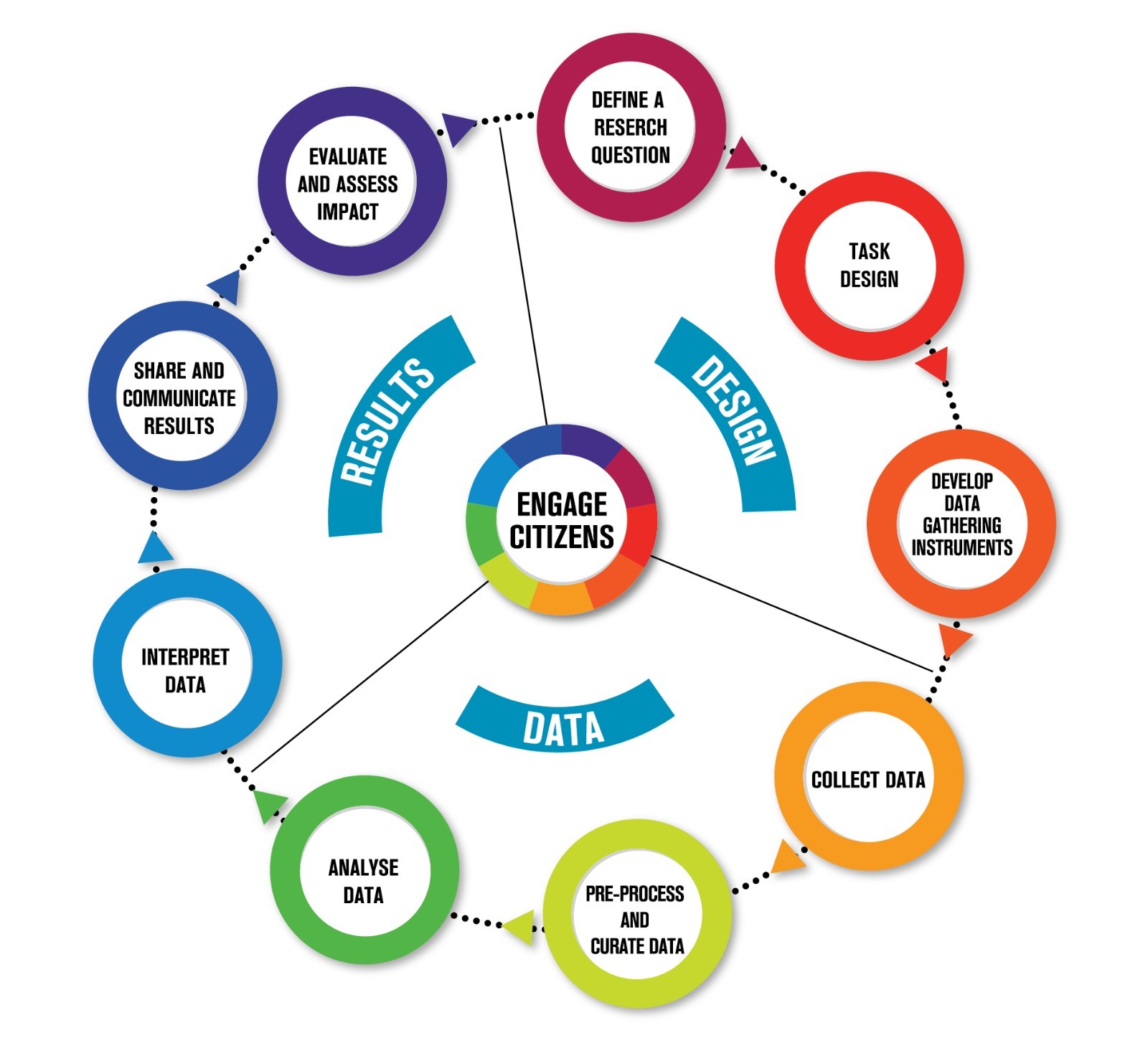
The implementation of a citizen science project is rarely linear. In practice, there is often iteration between different steps, for example, defining the research question and designing the methodology are typically refined together to ensure they are aligned and feasible. Moreover, not all projects will go through every step in the same way. The specific activities involved, as well as the stakeholders engaged at each stage, may vary depending on the nature of the project. These variations will be explored throughout the following sections.
Citizen Engagement
- Who will be affected by the research, and who will be interested in it? What other stakeholders are there?
- Who do you want to engage in the project? How can these individuals / communities be reached?
- Which groups are not yet included, which may be hardest to reach and why, and how can they be effectively engaged in the project?
- What are the limitations of the project if certain stakeholders cannot be involved?
- What factors will motivate people to engage in the project?
- Should the engagement strategy focus on intrinsic or extrinsic motivations?
- What are the most effective ways to engage people in this specific project?
- Which tools can support this?
Engaging individuals & communities
Who are the citizens that need to be engaged? This will depend heavily on the kind of project, and the stakeholders that are involved. For example, while all of the IMPETUS pilots engaged citizens and/or local communities, some of them found that it is also beneficial to engage stakeholders connected to decision-making, planning or implementation processes related to the issue at stake. For example, in Shifting Sands, see case study below, in addition to local citizen scientists, the project also engaged municipal councils, local decision-makers, administrative tribunals, and infrastructure developers. One key aspect of engaging participants is to ensure the diversity of the group. There are many benefits to diverse groups that are not limited to citizen science: they tend to be more creative, more productive, and perform better in general (Page, 2014). In citizen science specifically, diverse teams can help to develop new approaches, see issues from different angles, and ensure that project results are useful for a wider proportion of the communities they affect (Intemann, 2009). The best way to ensure a group is diverse, is to actively reach out to groups who could or should be included, and make the project accessible to them based on the circumstances of their lives. For example, recruiting on social media will not be successful at reaching citizens with limited digital literacy; offering meetings only during the work day is unlikely to reach citizens working in 9-to-5 jobs; planning all interactions in the early evening will make it hard for parents to engage. We recommend mapping the stakeholders for a project, including potential barriers to engagement, and creating strategies to engage each group separately. While there may be some overlap in how the majority of citizens can be reached, special care needs to be taken for those participants who are hard to reach. Davis et al. (2020) recommend three ways to engage diverse citizen scientists:- Consider existing relationships and community-identified problems as participant motivation
- Design participant methods to include personal support structures and relationship-building
- Design for participant time and technology access as significant limitations to participation
 Project Name: Shifting Sands
Country: Italy
Topic: Coastal sedimentation, environmental monitoring, and community engagement in infrastructure planning processes
Communities engaged: Fishermen, local residents, activists, sailing communities, members of the Tavoli del Porto network, scientists, municipal authorities, and local decision-makers.
What they did: Shifting Sands is a citizen science initiative investigating siltation in the bay of Isola Sacra, at the mouth of the Tiber River. Citizen scientists participated in boat-based bathymetric monitoring, shoreline GPS surveys, and interviews, following a low-cost, replicable methodology. Participants received scientific training, contributed to data collection and GIS-based analysis, and co-produced openly accessible datasets and maps. The results were shared through public events and used to inform the debate surrounding a proposed private port development.
Engagement: the project connects community-based monitoring with institutional dialogue, engaging local civic networks and decision-makers alongside citizen scientists. Participation extended beyond data gathering to include training, workshops, and public dissemination, strengthening community capacity to interpret environmental change and engage in ongoing planning discussions.
Read more
Project Name: Shifting Sands
Country: Italy
Topic: Coastal sedimentation, environmental monitoring, and community engagement in infrastructure planning processes
Communities engaged: Fishermen, local residents, activists, sailing communities, members of the Tavoli del Porto network, scientists, municipal authorities, and local decision-makers.
What they did: Shifting Sands is a citizen science initiative investigating siltation in the bay of Isola Sacra, at the mouth of the Tiber River. Citizen scientists participated in boat-based bathymetric monitoring, shoreline GPS surveys, and interviews, following a low-cost, replicable methodology. Participants received scientific training, contributed to data collection and GIS-based analysis, and co-produced openly accessible datasets and maps. The results were shared through public events and used to inform the debate surrounding a proposed private port development.
Engagement: the project connects community-based monitoring with institutional dialogue, engaging local civic networks and decision-makers alongside citizen scientists. Participation extended beyond data gathering to include training, workshops, and public dissemination, strengthening community capacity to interpret environmental change and engage in ongoing planning discussions.
Read more
Motivations & Incentives
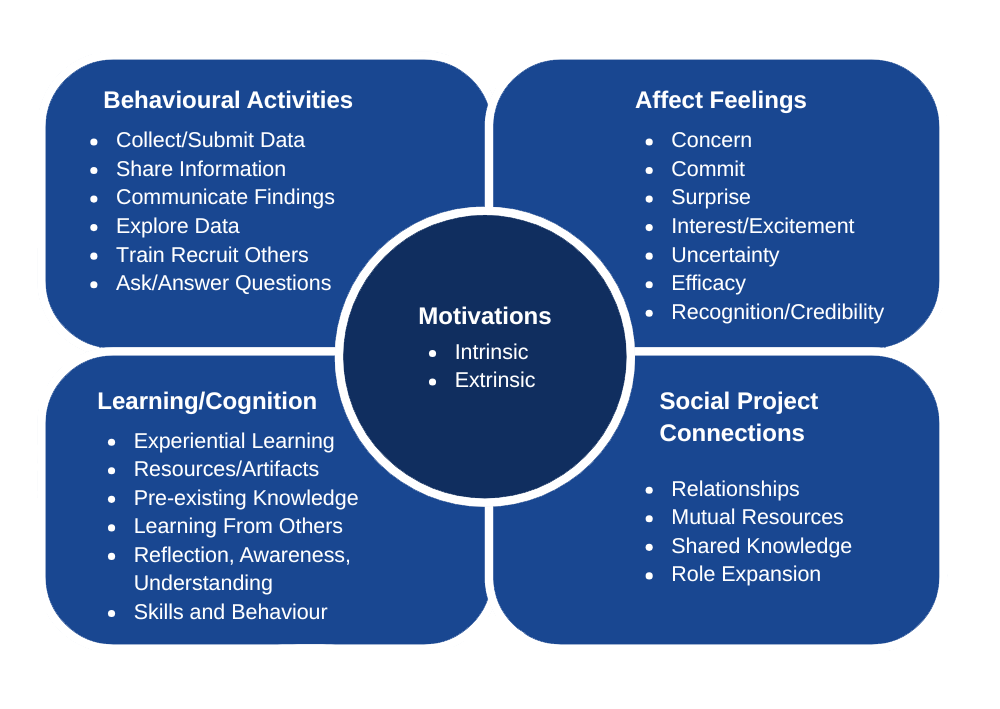
Figure 3: Proposed Dimensions of Engagement Framework, by Phillips et al., 2019
Another factor that influences participants' engagement is their self-efficacy - the feeling of competence they have to perform a task (Bandura, 1978). Feeling anxious about their own ability to perform the tasks correctly, or them not being accurate, smart, or capable enough, leads to fewer contributions or even stopping their participation altogether. On the other hand, the more expertise and prior experience in a subject participants have, the more contributions they make and the longer they participate (Aristeidou, 2017; Eveleigh et al., 2014; and Segal et al., 2015). Fortunately, participation in citizen science itself has a number of positive effects on participants, including enhancing their knowledge, making them more aware of the issues at stake, and empowering them to speak or even take action to address them (Schaefer et al., 2020). Projects may already be aware of what kind of participants they will attract, how they can be engaged, and what motivates them, which they should validate at a later stage. They should explore what motivates their participants, for example through a survey, so they can either align their participant's interests with what the project requires, or consider incentives they can offer. This can mean providing explanations and options for participants to indicate where they are insecure and get support, to overcome participants' anxiety (Eveleigh et al., 2014; and Segal et al., 2015). Reeves & Simperl (2019) found that direct responses to contributions from both the community and involved scientists have a significant impact on how much participants contribute. Projects should also consider different kinds of contributors, as not everyone will be able to make the same volume or quality of contributions, and to recognise that not all participants will want to be engaged in all stages of a project. Where possible, they should allow for both highly active participants, as well as those who can drop in and out and pick up small tasks, allowing each group to engage as much or little as their availability and interest allows (Eveleigh et al., 2014). To continuously engage with a community, there are several practical things projects can do:- Increasing self-efficacy: projects can alleviate their participants' anxiety by increasing their self-efficacy. Ways to do this are to make people feel like they are doing a good job, by giving them clear instructions in tutorials etc., to let them know it is ok to make mistakes, and to allow them to flag uncertainty when doing their tasks.
- Social interaction: although social factors are not always the most significant motivation for participating, they can be a significant motivation for a portion of participants. Lack of social interaction can also be a reason to stop participating. Social interaction in a citizen science project has two main forms: between participants and project coordinators or among participants. Observing more experienced participants is an important step for newcomers in becoming fully engaged, as it helps them understand whether and how they want to participate, and supports their transition to longer-term involvement.
- Framing and recruiting: Finding the right framing for a project can increase participation by helping to find the right audience. Projects should clearly define their problem, goals, underlying values, and key messages. Recruitment strategies are closely linked to how a project is framed and should be adapted accordingly. Common approaches include using CS platforms, word of mouth, and collaboration with organisations and institutions. Effective framing and recruitment can also foster a stronger sense of value, recognition, and belonging among participants.
- Appreciation and importance: appreciating participants and acknowledging the importance of their work can lead to increased contributions from participants. Projects can acknowledge the importance of participants' individual work or stress the importance of the project. Ways to do this are to give feedback, to acknowledge participants in the dissemination of results, or to give them more responsibility.
- Gamification: gamification can improve participation and motivation. When implementing gamification elements, projects should be mindful of how they might bias the results: generally gamification does not increase data quality. Score-based systems that are personalised with individual goals are generally better rather than a leaderboard, which can make new and infrequent participants feel overwhelmed and unappreciated. We recommend using collective, intrinsic and progression-based gamification elements.
- Siscode has developed a toolkit on co-creation in science, which gives detailed guidance on forms of engagement in the scientific process.
- The Scivil Communication Guide includes tactics and tools for identifying citizen scientists for a project and securing their initial and continued participation.
- A webinar on diversity and inclusion in citizen science, which explains why it matters, and gives some pointers on how projects can address the issue.
- A webinar on online community engagement, which discusses how online communities are formed and maintained.
- A webinar on motivation in citizen science, explaining what motivates participants, and how different forms of motivation interact.
- A webinar on sociocracy, explaining use of the governing structure in the Open Soil Atlas pilot.
 Project Name: Osijek-Baranja Citizen Science Hub
Country: Croatia
Topic: Biodiversity monitoring, soil health, water quality, and community-driven environmental governance
Communities engaged: Local families, schoolchildren, teachers, NGOs, researchers, public institutions (Kopački Rit Nature Park, County Public Institution for Nature Protection), minority communities (Hungarian and Serbian), elderly isolated citizens, and environmental networks (ROOTS, ZOA, Mediatrix Vitae).
What they did: The Osijek-Baranja Citizen Science Hub was established to empower citizens in eastern Croatia to actively monitor biodiversity, soil health, and water quality. Through three co-creation workshops, thematic working groups developed locally relevant action plans. Field-based activities included two BioBlitz events, two PermaBlitz soil workshops, and two water sampling campaigns across four pilot sites. Participants were trained in data collection protocols, used portable microscopes and water testing kits, and contributed to validated datasets presented at an international symposium. The project also supported public dialogue around the proposed designation of Kopački Rit as a National Park and established the long-term platform "Pannonian Rangers" as a recognisable citizen science group.
Engagement: the project adopted a multi-layered and adaptive engagement strategy. Co-creation workshops ensured early citizen involvement in defining priorities, while outreach campaigns specifically targeted schools, NGOs, local families, elderly isolated individuals, and national minority groups. When minority representatives did not engage in co-creation activities as initially planned, the team adapted by introducing perception surveys and alternative outreach formats. Field activities were designed to be accessible, hands-on, and intergenerational, combining scientific protocols with educational and community-building approaches. By tailoring engagement methods to different groups and investing in visibility, identity-building, and long-term coordination structures, they strengthened inclusive participation and established a sustainable, community-driven citizen science model for the region.
Read more
Project Name: Osijek-Baranja Citizen Science Hub
Country: Croatia
Topic: Biodiversity monitoring, soil health, water quality, and community-driven environmental governance
Communities engaged: Local families, schoolchildren, teachers, NGOs, researchers, public institutions (Kopački Rit Nature Park, County Public Institution for Nature Protection), minority communities (Hungarian and Serbian), elderly isolated citizens, and environmental networks (ROOTS, ZOA, Mediatrix Vitae).
What they did: The Osijek-Baranja Citizen Science Hub was established to empower citizens in eastern Croatia to actively monitor biodiversity, soil health, and water quality. Through three co-creation workshops, thematic working groups developed locally relevant action plans. Field-based activities included two BioBlitz events, two PermaBlitz soil workshops, and two water sampling campaigns across four pilot sites. Participants were trained in data collection protocols, used portable microscopes and water testing kits, and contributed to validated datasets presented at an international symposium. The project also supported public dialogue around the proposed designation of Kopački Rit as a National Park and established the long-term platform "Pannonian Rangers" as a recognisable citizen science group.
Engagement: the project adopted a multi-layered and adaptive engagement strategy. Co-creation workshops ensured early citizen involvement in defining priorities, while outreach campaigns specifically targeted schools, NGOs, local families, elderly isolated individuals, and national minority groups. When minority representatives did not engage in co-creation activities as initially planned, the team adapted by introducing perception surveys and alternative outreach formats. Field activities were designed to be accessible, hands-on, and intergenerational, combining scientific protocols with educational and community-building approaches. By tailoring engagement methods to different groups and investing in visibility, identity-building, and long-term coordination structures, they strengthened inclusive participation and established a sustainable, community-driven citizen science model for the region.
Read more
 Project Name: Equity in health for LGBTQIA+ people
Country: Portugal
Topic: Understanding and addressing discrimination and unequal treatment of LGBTQIA+ people in primary health care settings
Communities engaged: Health professionals, medical students, health authorities and LGBTQIA+ community members.
What they did: The project assessed the knowledge and perceptions of discrimination among primary health care professionals in the Algarve regarding LGBTQIA+ health needs. A structured questionnaire gathered responses from 502 health professionals and students. In parallel, a focus group with 10 LGBTQIA+ participants explored lived experiences and training priorities. The findings informed the development of training actions, awareness materials, and educational videos, which were disseminated through conferences and professional networks.
Engagement: Engagement combined multiple outreach channels to reach different stakeholder groups. Health professionals and medical students were approached through congresses, professional meetings, educational institutions, and direct contact with health units across the Algarve. LGBTQIA+ community members were engaged through consultation processes and a dedicated focus group designed to ensure confidentiality and create a safe space for participation.
Read more
Project Name: Equity in health for LGBTQIA+ people
Country: Portugal
Topic: Understanding and addressing discrimination and unequal treatment of LGBTQIA+ people in primary health care settings
Communities engaged: Health professionals, medical students, health authorities and LGBTQIA+ community members.
What they did: The project assessed the knowledge and perceptions of discrimination among primary health care professionals in the Algarve regarding LGBTQIA+ health needs. A structured questionnaire gathered responses from 502 health professionals and students. In parallel, a focus group with 10 LGBTQIA+ participants explored lived experiences and training priorities. The findings informed the development of training actions, awareness materials, and educational videos, which were disseminated through conferences and professional networks.
Engagement: Engagement combined multiple outreach channels to reach different stakeholder groups. Health professionals and medical students were approached through congresses, professional meetings, educational institutions, and direct contact with health units across the Algarve. LGBTQIA+ community members were engaged through consultation processes and a dedicated focus group designed to ensure confidentiality and create a safe space for participation.
Read more
Design
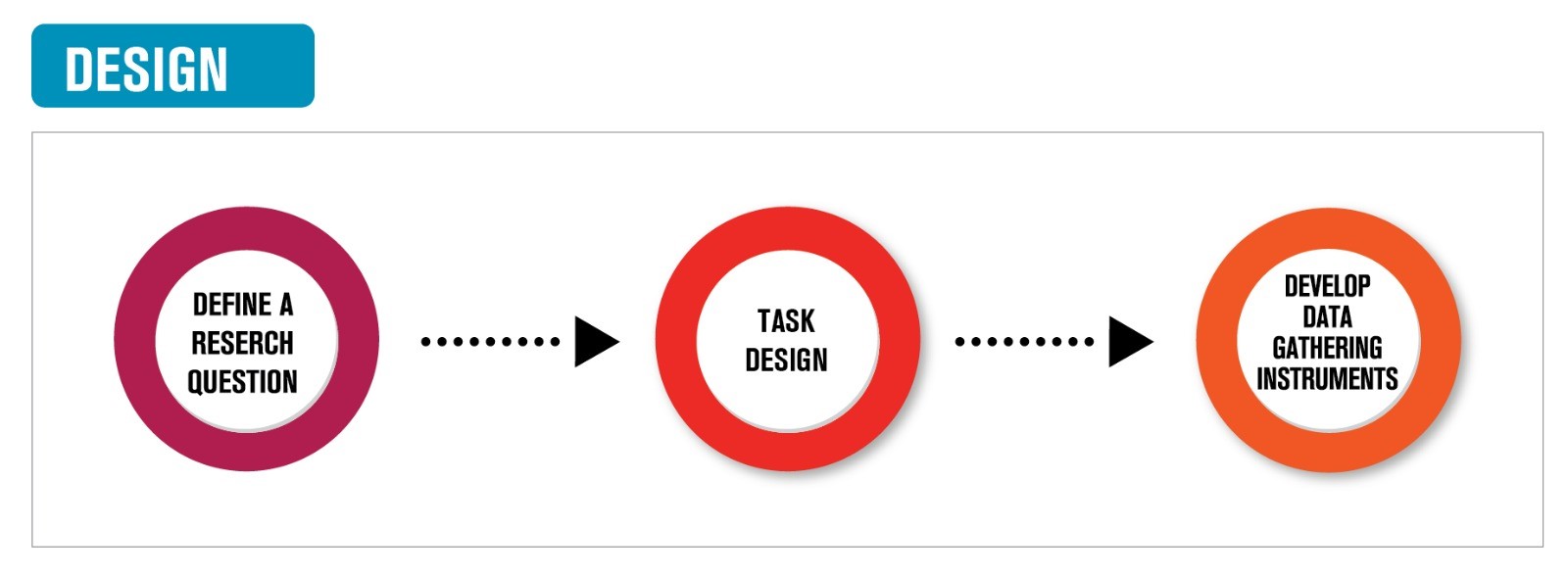
During the design phase, projects develop suitable data collection instruments to address their research questions and define tasks that participants will carry out. Research tasks should be designed in line with the overall research design and project goals, forming part of a broader implementation plan that includes data collection, analysis, and clearly defined roles for participants at different stages of the project.
In designing their citizen science tasks, projects should consider the following questions:
- What resources are needed to implement and run the project, and how will they be accessed?
You could look into support or funding programs for citizen science, or look into free tools and resources that you can use. - What expertise do you have, and what are you missing? How will you fill those gaps?
This could be by learning about aspects of the project yourself, by finding volunteers or paid services, or partnering with individuals or organisations who can provide them. - Are there any individuals or organisations you could partner with, and for what purposes?
You could reach out to researchers at local universities, NGOs with goals similar to yours, or councillors with a political interest in the issue you are investigating. - Where and how will citizen scientists be involved throughout the project? What contribution can they make? How will you engage with them?
Citizens could be involved only for data collection, for example by using an app you provide them with; or they could be involved in the entire process, advising the project on key questions and issues. - What data do you need to collect to answer your research question? How much data will you need? What will you do with it?
- What is the best way to collect the data required to answer the research questions?
- What tools will you use to collect the data? How will you ensure data quality?
The task design includes details for the different kinds of contributions participants can make, and how. Not every participant will contribute at all stages and in all the possible ways to a project. Where and how they engage will depend on their skills, abilities, technology available, and motivation. Therefore, projects need to consider and design their tasks, so that participants with different backgrounds and in different situations can complete them. Task design, or the translation of broad goals into specific actions, requires an understanding of scientific methods and rigour, so the project can produce robust data for their goals.
These guidelines are high-level recommendations for designing and implementing citizen science initiatives1These guidelines build on research findings from within the ACTION project and were also used to guide design during IMPETUS.:
- Account for trade-offs
The use of citizen science entails inevitable trade-offs between the quantity of data, the speed at which data is to be gathered and the accuracy of the gathered data. When designing tasks, it is essential to consider and identify which of these factors is to be prioritised and take appropriate steps to safeguard this factor, while taking steps to mitigate threats to the additional trade-off factors. For example, if a project is to emphasise accuracy and quality of data submissions, the task completion time is likely to increase and this can limit engagement. It is important to then streamline and simplify the task completion process to support faster data gathering or take steps to encourage engagement to account for these trade-offs. - Account for technology
It is important to consider the technology and software that volunteers are likely to use to complete your task. Does the task need to support both mobile and desktop devices or is the task designed to be completed outside of the home? Does the task support multiple browsers? Wherever possible, support diverse technologies to lower any barriers to entry. If participants cannot access your task, then they are unlikely to put in the effort to overcome these barriers and continue contributing. If these barriers are technological, it is also possible that volunteers will not be able to overcome these barriers or will not know how. - Provide context
Citizen science tasks can often be designed and implemented in such a way that they are trivial and simple for volunteers to complete. This is essential for encouraging accessibility and gathering high quality data, but can obfuscate or trivialise their research value, with potential to harm volunteer engagement. Tasks, project resources and educational resources should provide additional context on the value that volunteer contributions pose for the research process. - Provide feedback
While citizen science tasks are generally designed to be easily understood and completed by all participants, not all projects are able to achieve this. Moreover, even where tasks are otherwise easily understood, participants want and need feedback on the accuracy of their responses and the value of their contributions to scientific research. Providing feedback to participants -- either within tasks or through features such as forums or newsletters -- can encourage engagement. - Solicit feedback
Tasks should not necessarily remain static. The design process involves a number of assumptions and trade-offs which may not align with participant expectations. Soliciting feedback from participants is key to ensure the needs of all stakeholders are met, with potential for increased task quality and engagement, as well as volunteer engagement. - Avoid ambiguity
While the requirements and processes involved within a task may be clear to task designers, these do not necessarily align with the understanding and motivations of volunteers. Support participants through the task process with clear instructions, using discrete, clear questions and limit the need for personal judgement. Consider offering multiple choice answers rather than free text responses, for example. - Consider time-scales
While citizen science is an effective way to gather large volumes of data for scientific purposes, volunteer engagement is sporadic, asymmetrical and often brief. It can therefore take a significant amount of time to gather larger datasets. This can be offset by focusing on restrictive, limited-time activities such as BioBlitzes, where volunteers are asked to gather or analyse data over a short period of time. While this approach can be very effective, it is less effective for tasks with more longer-term aims such as public engagement and education. It is essential to consider the implications and long-term aims of the approach to be used and which factors are most important -- is it essential to gather data quickly or in large quantities? Do the research aims warrant longer term engagement and community building or is one off engagement desirable?
Sometimes the reality of a citizen science - or really any research - project is different from the expectation. Therefore it is important to be flexible while the activities are ongoing, to ensure the main project goal is achieved. However, it is necessary to specify that sometimes the results are more exciting than expected, and they could push the team to plan further activities. It is important to understand the difference between the scope of the current project goals and resources, and possible future initiatives.
Zooniverse
Zooniverse is an online citizen science platform that allows users to classify images or sounds generated by other citizens. The Zooniverse Project Builder is a free and easy to use tool that allows anyone to quickly and easily design, implement and launch their citizen science project. The tool supports four task types and assets including images, videos, text and sound files. If desired, upon completion of the design and beta testing process, projects can be launched to the main Zooniverse website to recruit from potentially millions of volunteers.
Prolific
Prolific is a paid microtask crowdsourcing platform that allows anyone to quickly and easily recruit participants from a diverse, international pool of hundreds of thousands of crowdworkers. It is easy to use and interfaces with a number of common research software packages such as Qualtrics, Gorilla, Google Forms and Survey Monkey. Simply design your study, upload it to the internet and then design and deploy your Prolific task. See the getting started guide. Unlike some other platforms, Prolific enforces a minimum rate of pay, ensuring ethical treatment for crowdworkers, while verifying and monitoring workers to improve the quality of the data gathered by workers.
Citizen Science Project Builder
This is a web-based tool that allows users to develop and implement data analysis Citizen Science projects. It features a web interface that requires limited technical knowledge, and little or no coding skills. It is a simple modular "step-by-step" system where a project can be created in just a few clicks. Once the project is set up, many people can easily be involved and start contributing to the analysis of data as well as providing feedback that will help you to improve your project.
The ACTION project developed a range of tutorials to guide their participants through specific tasks:
- Street Spectra has created a tutorial for participants to identify the spectra of common street lamps. It explains how to use the spectrograph they provide together with mobile phones to take pictures of street lamps, and then use the images to categorise the type of lamp.
- Dragonflies and pesticides developed a tutorial to guide their participants - who would already be familiar with counting butterflies or dragonflies on their transects - on how to collect water samples for the project.
- Students, air pollution and DIY sensing developed a tutorial for Air Quality projects in high schools to help others who want to set up air quality measurement projects. It includes an overview of the process they used, and materials developed for workshops and events.
- Tatort Streetlight produced a video of a workshop and slides for education about the effects of artificial light at night on the environment. The video presents a workshop about light pollution, the discussion with the students and the practical part in which the students created ideas for future public lighting. It is a tutorial on awareness increasing and stimulation for finding technological solutions for the protection of insects and environmental friendly roadway lighting. The workshop was held in English, using German slides.
Citizen science apps
It is important to consider what the best way to engage with your participants will be, and whether a mobile phone app could be a useful tool to use. These decisions must be taken early on, as they can have a big impact on the resources a project needs. While apps can be useful to engage specific target groups, such as younger demographics, both development costs and timelines can be prohibitive. Projects should therefore explore carefully the resources they have, whether there is enough time in their planning to develop a custom app, and the implications for long-term commitment associated with apps, such as the need for and cost of maintenance. If budget and timeline do not allow for a custom app, there may be an app that can support the project's needs. The below graphic can help projects determine if an app is needed, and what steps they need to take to get to one that fits their needs.
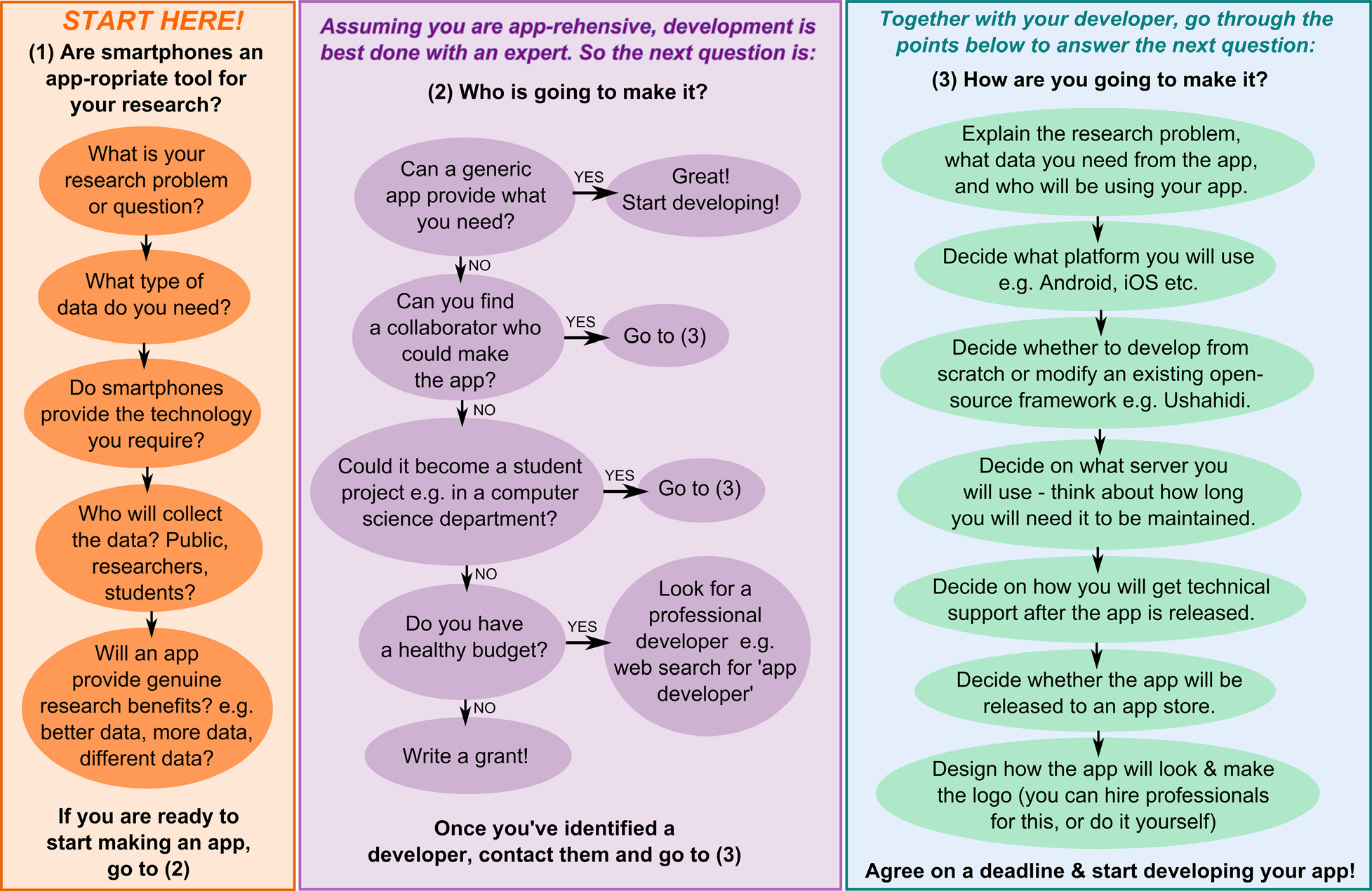
Figure 4: Outline of the development process, by Teacher et al., 2013
Data
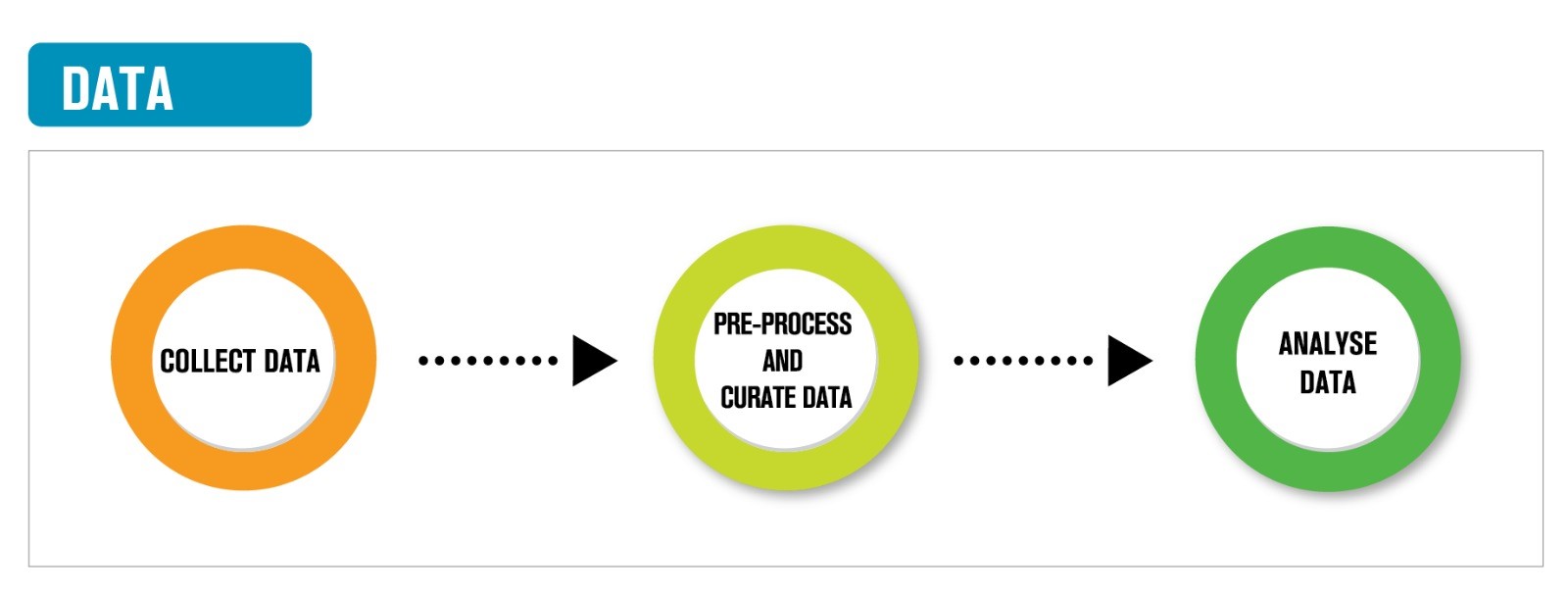
- How will citizen scientists be involved in your data collection and analysis?
- What support do citizen scientists need to engage with the data process in different ways, and how will this be provided?
- Have you completed a data management plan?
- How will you collect / store / process data? Are you planning on publishing your data? Where? How?
- Are you using any personal data, and if so, how do you comply with legal requirements such as the GDPR?
- How will you ensure data quality?
- How will you analyse your data? What will you do with the results of your analysis?
Data collection & analysis
In the data collection and data analysis stages, projects implement the methodology they have defined previously to acquire, curate, process, analyse and interpret their data. Data in citizen science can be many things, and there is no one definition of it. For the purpose of this toolkit, we understand data to be the pieces of information collected for the purpose of generating insight. Depending on the project, data could consist of images, observations, descriptions, categorisations, physical samples, audio files, or a variety of other details. A dataset is a collection of data, and metadata is data about a dataset, which describes its properties, such as the title or description, who collected it, how it is licensed, etc. Different kinds of data are typical for the different types of projects:- In grassroots citizen science, projects often collect very location-specific or qualitative data such as photos to document changes within a specific environment. For From Sea to Street, data consisted of photos of murals depicting coastal landscapes, marine life, fishing communities, or aquatic mythological figures. Individuals were prompted to submit photos and pinpoint the locations of these murals, as well as recording the emotions, memories, and thoughts elicited by the murals as part of a growing collaborative database.
- For educators, data is not so much the driving force for the projects, as for the participants themselves, who collect and analyse it in order to learn about science, and understand a specific issue. For ScoolAir, data consists of indoor and outdoor air quality measurements collected by students with their own air pollution sensors. They also explored how air quality might affect them and the school environment, particularly their perceived personal well-being.
- For projects that are interested in contributing to policy change, data must be highly structured and matched to the monitoring needs of policy organisations. Citizens for SDG 15.1, collected biodiversity data to extend a protected area in Serbia. They recorded 944 species (including 12 new species for Serbia, 6 new species for the world, and more than 130 species protected by national and international legislations) which led to a set of recommendations for the expansion of the protected area.
- Coney - a survey tool designed to enhance the user experience when responding to surveys, with a conversational approach: on the one hand, Coney allows modelling a conversational survey with an intuitive graphical editor; on the other hand, it allows publishing and administering surveys through a chat interface. Users can define a graph of interaction flows, in which the following question depends on the previous answer provided by the respondent. This offers a high degree of flexibility to survey designers that can simulate a human to human interaction, with a storytelling approach that enables different personalised paths. Find further guidance on how to use Coney here.
- Epicollect - an easy-to-use mobile application, which allows citizens to design their own forms to collect data, taking advantage of mobile functionalities such as geolocation, camera images, accelerometer, etc.
- Citizen Sensing Toolkit - The Making Sense project has developed a Citizen Sensing Toolkit, including a wealth of activities for the use of sensors and other data collection activities in citizen science projects.
- Webinar on the data lifecycle, which explains open data, open science, and the best way for CS projects to publish their data.
- Webinar on data protection and processing, which explains how CS projects can work with data while complying with the GDPR.
- Webinar on data management with data management plans and data quality assurance.
 Project Name: SIREN - Saving Italian HydRological MeasurEmeNts
Country: Italy
Topic: Climate Resilience
Communities engaged: Online audiences.
What they did: The SIREN project aimed to understand how Italian rivers had changed over time and whether modern floods and droughts are a new or historical phenomenon by analysing historical records.
Data collection: The SIREN project required data from the Italian Hydrological Yearbooks, but as these resources are somewhat old, handwritten and involve faded writing with unclear corrections, they are not suitable for optical character recognition. Yet with more than 15,000 pages, they also could not be analysed manually. To address this, the team made use of the Zooniverse platform to set up an online project allowing users all over the world to help transcribe and digitise the pages. This was a great success with over 75% of the data being transcribed during the IMPETUS accelerator period.
Read more
Project Name: SIREN - Saving Italian HydRological MeasurEmeNts
Country: Italy
Topic: Climate Resilience
Communities engaged: Online audiences.
What they did: The SIREN project aimed to understand how Italian rivers had changed over time and whether modern floods and droughts are a new or historical phenomenon by analysing historical records.
Data collection: The SIREN project required data from the Italian Hydrological Yearbooks, but as these resources are somewhat old, handwritten and involve faded writing with unclear corrections, they are not suitable for optical character recognition. Yet with more than 15,000 pages, they also could not be analysed manually. To address this, the team made use of the Zooniverse platform to set up an online project allowing users all over the world to help transcribe and digitise the pages. This was a great success with over 75% of the data being transcribed during the IMPETUS accelerator period.
Read more
Third party data collection and storage
When implementing data collection and management processes, it is essential to consider what happens to the data, as well as which legal and tool-specific regulations apply. Some popular data collection tools such as iNaturalist or WhatsApp are US-based. When using these tools data may be subject to US data protection legislation. Even US-based platforms can offer options for data processing to take place in other regions. For example, digital platforms built using Amazon Web Services (AWS) can select eu-west-1 or eu-west-2 regions to ensure data processing takes place on servers within the EU or the UK. We recommend that when considering third-party data collection platforms, it is important to take into account:- Where data are stored – are data stored locally or uploaded to a cloud or external server? If so, where are these servers located and which data protection regulations apply to those data?
- Are data transferred into or out of the EU – for projects that are EU-based or which collect data from EU citizens, GDPR protections apply. This will impact any data storage within the EU, particularly for projects outside of the EU which may otherwise not be subject to GDPR. Conversely, for projects where GDPR applies, transferring data outside of the EU may result in data being processed in a non-GDPR compliant manner. Considering where data will be stored (or even processed) is therefore essential.
- Platform terms – individual data management tools will have terms of service which govern their use. Failure to comply with these terms may result in loss of access to the tools, loss of access to uploaded data or even legal consequences. Project leads should ensure they are familiar with the terms of tools they use and the potential consequences for the participants whose data they are uploading to the tool(s).
- Data ownership – once transferred to external data controllers, users may partially or fully relinquish data ownership and control rights. Before using third party tools, it is important to consult the data privacy policies and any available data license.
Generative artificial intelligence and data analysis
General purpose generative AI tools such as chatGPT, Gemini, Claude and others, can support the design and implementation of research. Use of such tools has grown rapidly since their launch. In 2025, 32.7% of people in the EU had used such tools, rising to almost 50% in Denmark, Estonia and Malta (Eurostat, 2025). Views on whether it is ethical and appropriate to use such tools in a research context vary depending on factors such as application area, discipline and human agency (Schlagwein and Willcocks, 2023). When deciding whether to use these tools in the context of your project, it is important to be aware of the potential weaknesses and drawbacks that generative AI technologies can have:- Hallucination is a term to describe errors and misinformation AI-generated content. These errors can take a wide-variety of forms with a 2024 review by Sun et al., identifying almost 40 error types in AI-generated content. While some hallucinations are obvious such as common sense or grammatical errors, others such as bias, or hoaxes can be more difficult for a user to identify and address.
- Data leakage can occur from data uploaded to generative AI tools if such data are then used for further model training, which could result in sensitive or private data being replicated by the tool (Takale et al., 2024). Many of the most popular large language model (LLM)-based generative AI tools require users to explicitly opt out from allowing their uploaded data to be used in model training.
- Generative AI tools and models can be highly opaque. Frequently described as 'black box' models, it can be difficult to understand the reasoning and data they have used to generate their outputs. This can make it harder for stakeholders to assess and query research outputs and affects not only models, but the documentation and terms of use associated with them.
- Cybersecurity researchers have raised concerns about vulnerabilities inherent in some generative AI models and associated systems including the risks of intervention by malicious actors, potential for generation of malicious data and difficulty monitoring data manipulation and data ethics compliance (Ko et al., 2025; Takale et al., 2024).
- At the time of writing, acceptance of AI-generated and AI-supported research within the wider academic community is mixed. Use of generative AI tools may restrict or prevent publication of research findings within some academic journals, while others require an explicit acknowledgement about how the tools have been used. These policies may change as the technology and its use continue to evolve. It is always important to check a journal's website for up-to-date guidance on their approach to the use of generative AI in research.
Data management
IMPETUS recommends that projects adhere to open science and the FAIR data principles. Open science commonly refers to efforts to make research outputs more widely accessible. Especially where this science is publicly funded, its results should be publicly available, so they can benefit further research, innovation, or citizens directly. Open Science also increases media attention, citations, collaborations, job opportunities and research funding (McKiernan et al., 2016). The FAIR principles are designed to make data more widely usable, including machine-usable. They are good practice for publishing data in any context, including citizen science. The principles are:- Findability: data should be published with persistent identifiers (such as a URL), and include comprehensive metadata.
- Accessibility: once found, both data and metadata should be easy and free to access, though authentication may be necessary.
- Interoperability: it should be possible to integrate the data with other data sources through common schemas, and to process the data with common applications.
- Reusability: data should be exhaustively described and licensed to enable reuse.
 Project Name: Citizen Science for Disaster Risk Preparedness Policy
Country: Bosnia and Herzegovina
Topic: Disaster Resilience
Communities engaged: Local Residents (Kakanj).
What they did: The project engaged residents as active contributors to disaster risk governance, training them to collect, map, and interpret local risk data using geo-mapping tools. Citizen scientists worked with experts and authorities to generate evidence that informed policy recommendations and strengthened local disaster preparedness strategies.
Data Management: The project was a response to a lack of necessary data for disaster risk preparedness policy in the area of Kakanj. As a result, it was decided at the outset of the project that project outputs should be freely and openly available. This included an open-access risk dataset, risk mapping guidance, research paper and policy advocacy materials which would all be shared through EU open science channels.
Read more
Project Name: Citizen Science for Disaster Risk Preparedness Policy
Country: Bosnia and Herzegovina
Topic: Disaster Resilience
Communities engaged: Local Residents (Kakanj).
What they did: The project engaged residents as active contributors to disaster risk governance, training them to collect, map, and interpret local risk data using geo-mapping tools. Citizen scientists worked with experts and authorities to generate evidence that informed policy recommendations and strengthened local disaster preparedness strategies.
Data Management: The project was a response to a lack of necessary data for disaster risk preparedness policy in the area of Kakanj. As a result, it was decided at the outset of the project that project outputs should be freely and openly available. This included an open-access risk dataset, risk mapping guidance, research paper and policy advocacy materials which would all be shared through EU open science channels.
Read more
- Data collection: first, projects need to identify the data they require, and where it can be collected. Data can be created by sensors, such as air pollution or sound sensors which citizen scientists operate, or by citizen scientists, for example when they record or categorise observations. During data collection, projects need to take special care to ensure their process is compliant with data protection regulations, especially where personal data (such as contact details of participants) is involved.
- Data preprocessing: after data is collected and available to the project, it may need to be cleaned, to remove 'noise', or invalid data, and ensure the collated data is in a format that can be used for analysis. Typically, data cleansing is necessary to identify and correct (i) intrinsic errors made by the sensors used to collect the data (e.g. GPS positions of mobile phones might be of low quality when there was a poor connection); or (ii) incomplete submissions or outliers, when data was collected by participants, which might affect the quality of the further analysis (e.g., poor-quality answers in surveys).
- Data aggregation: next, CS projects need to coherently group the data they collected. This is particularly relevant for classification projects with large datasets.
- Data analysis: the data analysis is the core part of a CS project, where the collected data are examined to try and extract high level information out of them, and ultimately respond to the research questions set out at the beginning. Prior experience or external expertise can be particularly helpful during data analysis, since solid knowledge of the methods and their practical application can speed up the analysis itself, and reduce the probability of errors. However, citizen scientists may also want to understand and be able to analyse the data for themselves. In many CS projects, data analysis can also include analysing the contributions by citizen scientists. For example, projects could investigate the number of errors a contributor made with respect to some set standards, or focus on inter-annotator agreement, to measure how well a group of annotators can make the same annotation decision for a certain category.
- Racial or ethnic origin
- Political opinions
- Religious and/or philosophical beliefs
- Trade union membership
- Genetic data
- Biometric data
- Health data (both mental and physical)
- Sexual orientation
- When the subject has given explicit consent – note that EU or national laws may prohibit the processing of data even where consent has been given.
- The data are needed to meet obligations under employment or social protection laws – for example, handling health data for accommodating someone's needs in the workplace.
- The data are necessary to protect someone's life.
- The data are being processed by a non-profit organisation about their members (or contacts) and relate to their legitimate activities without being shared outside the organisation without consent.
- When the person has made the data public themselves.
- To establish, exercise or defend a legal claim.
- For reasons of substantial public interest.
- For medical diagnosis or to provide health or social care.
- For public health reasons.
- For archiving, scientific or historical research or statistical purposes – subject to strong safeguards including data minimisation and pseudonymisation/anonymisation.
- There must be a valid legal basis for processing the data.
- Processing must be transparent and the people from whom the data was collected must know what you are doing with their data.
- Data can only be collected – and should only be used – for a specific purpose.
- Data must be suitable for, relevant to and limited to what is needed for this purpose.
- Data must be kept accurate and up-to-date. Incorrect data must be corrected or erased as soon as their lack of validity is noticed.
- Personal data should not be kept in a form that can identify individuals for longer than is necessary for the purposes for which it was collected. This means it should be anonymised or erased once that purpose has been achieved.
- Data should be stored securely. This includes protection against unauthorised access, loss or damage and includes both technical and organisational/administrative measures.
- Appropriate technical and organisational safeguards are put in place. Examples may include:
- Access restrictions and controls on who can view and edit the data
- Separation of identifiers – storing the data which link pseudonyms or identification codes with individuals' identifying data separately from the research data
- Encrypting storage devices
- Clear data governance protocols
- Documentation of data access and the compliance with the article 5 principles.
- Compliance with data minimisation principles.
- Use of pseudonymisation (or anonymisation) wherever possible.
- Avoiding identification of individuals when processing data unless strictly necessary.
Data quality
Alongside the above data processing, citizen science projects should consider the quality of their data, as poor quality data cannot satisfy the purpose for which it was collected. To ensure the quality of their data, projects need to understand what could affect it. This could be very obvious (e.g., training citizen scientists to make them familiar with data collection protocols), or issues with the data could be discovered during data collection (e.g., evaluation scales are too subjective and data collected by different citizen scientists are not comparable). Our own studies highlight that some indicators are more frequent in CS projects, such as completeness (for geographical coverage, task/observation, number of functioning sensors/sampling), accuracy (for equipment, expert's acceptance, instrument calibration), timeliness (for time frame, scale, resolution, etc.) and consistency (depending mostly on volunteers' preparation). We identified suggestions on the most common causes of bad data quality in citizen science initiatives, and data quality improvement activities that were applied across projects, despite the different topics they covered. They included the improvement in the volunteers' training, sensors or toolkits' instruments and manuals, constant review of data acquisition activity, improvement in internal communication, integration of activities from different volunteers, increased acquisition in uncovered areas, etc. (Baroni et al., 2022). Another important aspect in data quality assurance are the dimensions to be considered, such as the completeness, accuracy, timeliness, consistency, and accessibility of the data. Projects should consider which dimensions are relevant for them depending on the nature of their data. It is good practice to define indicators for each dimension and measure them, to check whether there are any issues. If issues are found, ad-hoc activities can be designed to improve data quality. Project Name: Citizen Academy İzmir
Country: Türkiye
Topic: Resource Management
Communities engaged: Selected local residents.
What they did: The Citizen Academy İzmir recruited residents as civic data collectors and producers who monitored urban conditions and generated evidence for decision-making. Their data collection and analysis fed into public reports and policy briefs, enabling direct citizen input into local governance processes.
Data Quality: The research team took a number of steps to ensure the validity and reliability of their data. Firstly, citizens were recruited through an application and interview process to ensure their suitability for the project. Selected citizens were provided with extensive training to prepare them for the data collection process. Moreover, citizens collected data using preselected and approved sensors and tools to ensure that the collected data could be trusted.
Read more
Project Name: Citizen Academy İzmir
Country: Türkiye
Topic: Resource Management
Communities engaged: Selected local residents.
What they did: The Citizen Academy İzmir recruited residents as civic data collectors and producers who monitored urban conditions and generated evidence for decision-making. Their data collection and analysis fed into public reports and policy briefs, enabling direct citizen input into local governance processes.
Data Quality: The research team took a number of steps to ensure the validity and reliability of their data. Firstly, citizens were recruited through an application and interview process to ensure their suitability for the project. Selected citizens were provided with extensive training to prepare them for the data collection process. Moreover, citizens collected data using preselected and approved sensors and tools to ensure that the collected data could be trusted.
Read more
Results
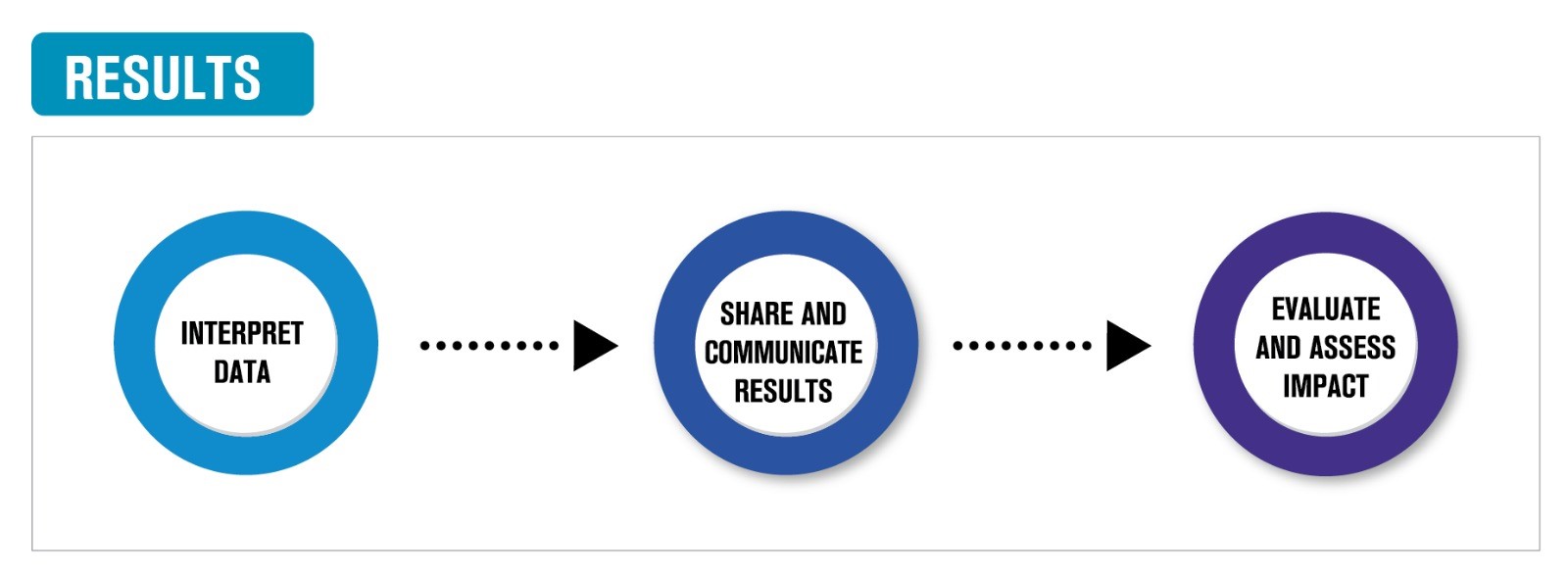
- Which specific outputs will the project produce? This could be a report, an open dataset, an academic publication, a flyer to inform citizens, a business model, or many other things.
- What are the short term and long term social, economic, political and environmental impacts of your project?
- Who will be interested in these results? Who should be interested?
- How will you communicate your results to these groups?
Publishing data
Following the open science and FAIR principles described in the Data section, all results should be openly accessible, so they can inform future research and innovation. This helps to avoid unnecessary repetition of data collection or analyses for other projects. To provide contextual details on the intended purpose(s) of gathered data, projects should publish not only their raw data, but also document completed and/or intended analyses alongside datasets. Wherever possible, this should include numerical results, data visualisations and the interpretation and analyses of results, such as a text-based report, which would be stored and disseminated alongside datasets (Roman et al., 2020). All details about the preprocessing of data should also be published alongside datasets and other research outputs. This may include a version history, a methodological description, or pre-processed versions of the dataset. If stakeholders are to make use of data, then they must first be able to find and access any datasets and outputs. Any public dataset should include a permanent identifier such as a DOI (Digital Object Identifier), as well as a human readable and ideally machine-readable licence. Project web-pages should have clear, visible links to external datasets and other resources (Roman et al., 2020).Publishing insights
Projects may also wish to communicate the insights they have generated to the wider public or to specific stakeholders identified at the outset or during its implementation. They should develop a communication strategy based on their stakeholder map, prioritising key stakeholders, and considering, for each of them, what to communicate and the most effective channels to reach them. This may include engagement activities aimed at the wider public or local communities, such as public presentations, talks, or webinars, as well as more targeted activities, including discussions with policy makers, contributions to public consultations, or discussions with students at local schools. Communicating insights to different stakeholders requires tailoring messages to each target group. For example, policy makers are rarely interested in detailed data and extensive justifications, and more in clear, concise conclusions that directly inform action. Therefore, the best way to communicate results to them is in brief reports leading to recommendations for defined actions that can be consumed in the space of a coffee break. On the other hand, engaging the wider public may require explaining the basics of the research process, so that lay people can follow what the project did and what their results mean. Project Name: Regenerative Tides
Country: France and United Kingdom
Topic: Resource Management
Communities engaged: School children, coastal communities.
What they did: The Regenerative Tides project asks residents of coastal communities to record and submit data on abandoned fibreglass boats to understand the impact of these boats on marine ecosystems.
Publishing insights: one of the key outputs of the Regenerative Tides project is a story map which visualises the submitted reports of abandoned fibreglass boats on satellite images of France and the UK. The team produced a YouTube video to communicate their findings, a blog summarising the outcomes, a shareable PDF presentation of their final results and a field guide to allow a wider pool of participants to continue to submit data to the project.
Read more
Project Name: Regenerative Tides
Country: France and United Kingdom
Topic: Resource Management
Communities engaged: School children, coastal communities.
What they did: The Regenerative Tides project asks residents of coastal communities to record and submit data on abandoned fibreglass boats to understand the impact of these boats on marine ecosystems.
Publishing insights: one of the key outputs of the Regenerative Tides project is a story map which visualises the submitted reports of abandoned fibreglass boats on satellite images of France and the UK. The team produced a YouTube video to communicate their findings, a blog summarising the outcomes, a shareable PDF presentation of their final results and a field guide to allow a wider pool of participants to continue to submit data to the project.
Read more
Safeguarding data
When considering whether to share data, it is important to take into account the different stakeholders who may be impacted by such a decision. Most citizen science projects include asymmetric power dynamics where one or more individuals are making decisions that affect the wider group of participants (Cooper et al., 2021). Not all of the data provided by citizen scientists may be intended to be publicly released. For example, a participant may need to provide an email, account identifier or password when uploading a classification, but this does not mean they are comfortable with the identifier being released. Conversely, even when data are intended for release, participants may not have fully considered the consequences of such data. Data and metadata provided to citizen science projects can have significant privacy implications for individuals providing – or represented in – those data, which they may not fully understand or recognise (Thuermer et al., 2023).Sharing and Safeguarding Citizen Science Data
During the IMPETUS projects participants raised several concerns that could encourage them to restrict access to data or avoid sharing them entirely, including: struggling to convince participants to give consent, a desire to avoid legal liability in the case of incorrect data sharing, concerns about putting participants at risk of losing anonymity if testimonies or locations were shared and a lack of resources and examples for good practice of how to share and maintain datasets.Recommendations for Safeguarding Data
While not every concern can or should be mitigated, we recommend the following considerations to assist in identifying and addressing potential safeguarding issues from the sharing of data.- Wherever possible, fully document plans for data sharing and ensure these are visible to participants and other stakeholders. This will necessitate planning projects in advance. Project leads should avoid changing these plans later if possible, as it is much more difficult to gather consent and convince participants after the fact.
- Clearly communicate the intended use of data in plain language. When communicating with participants, avoid jargon or legal terminology unless absolutely necessary. Consider where data will be stored, who may access them, what risks might exist and what commercial value might be extracted from re-use. Participants are more likely to make an informed decision if they have the necessary information.
- Make use of free and existing data sharing solutions. Platforms and resources like Zenodo can help you avoid ongoing financial or staffing costs. Usage of existing disciplinary databases like the GBIF can also help ensure data are appropriately documented and that they reach relevant audiences.
- Follow existing standards. Some fields and disciplines have existing metadata standards such as Dublin Core or DCAT. Such standards can ease the findability of resources, help them reach the right audience and may even provide examples for data managers to follow.
- Generalise, redact or restrict data access where necessary. If dealing with geospatial data, generalising data or reducing precision can help shield sensitive locations while still providing valuable information for researchers. When openly sharing data, hiding or withholding unnecessary sensitive details may be advisable or even essential. Alternatively, datasets may be private or semi-public with potentially sensitive data available on request to those with the correct credentials or who can confirm a valid use-case.
- Consider partial or delayed release of data. This may involve an embargo date before which data will not be released or the release of sample data or metadata only until the suitability of data can be confirmed for release.
- Account for data management costs in project budgets.
Assessing Project Impact
Assessing the impacts of a citizen science project is not just a reporting requirement: it is a valuable opportunity to strengthen the project's activities and make its value visible to stakeholders.
Impact assessment supports teams throughout the project by creating space for reflection and learning. It helps understanding what is working, what can be improved, and how activities are contributing to meaningful change. By regularly reflecting on progress, CS teams can adapt their approach and enhance the effectiveness of their actions.
At the same time, impact assessment plays a key role at the end of the project. It allows the team to clearly communicate what has been achieved, ensuring transparency and accountability towards stakeholders, partners, and the communities engaged.
There are different ways to capture and communicate projects' impacts. Teams can use infographics and dashboard (such as the IMPETUS one) to visualise key data and track progress. In addition, or alternatively, teams can develop a short, visually engaging impact report combining images, selected data, and narrative elements to tell the story of the project in a clear and compelling way. Impact can also be described in longer and fully articulated reports (Passani et al., 2022) and in scientific papers (Grossberndt et al., 2021). Together, these tools and reporting options will help you improve your work as it unfolds and share its results in a meaningful and accessible manner.
IMPETUS has developed an impact assessment framework2Impact assessment activities were originally developed within the ACTION project and have been iterated for the IMPETUS project. to assess the scientific, social, economic, political and environmental impact of citizen science projects, accompanied by supporting materials, all listed under Activities below. The update methodology also considers the contribution CS initiatives can give to the monitoring of the SDGs.
IMPETUS has updated the ACTION impact assessment framework and methodology to help citizen science projects understand what scientific, social, economic and political impact they have.
The methodology is designed to be modular and flexible, to suit different needs across a variety of CS projects. Indeed, not all the impact dimensions considered are (equally) relevant for all projects, depending on their nature, their specific focus and the level of citizen engagement.
The process for assessing the impact of a CS project works as follows:
- Define the project outputs, stakeholders and relevance of various impact dimensions. This can be done by using the IMPETUS impact assessment canvas: a five pages graphic form, accompanied by guidelines supporting projects in filling it in.
- Define an impact assessment process: when and how to collect the required data. Projects can use the IMPETUS impact assessment matrix which covers: different variables for each impact dimension, who needs to supply the data (project managers and/or citizens), and when information should be recorded (only at the end of the project, or also at the beginning).
- Gather data. This can be done by using, adapting and enriching the questionnaires developed and tested in IMPETUS.
- Analyse the data and draft a report. IMPETUS developed a template for such a report that could be used as a reference of the content and style of such a report.
Project Name: Citizens for SDG 15.1
Country: Serbia
Topic: Biodiversity monitoring
Communities engaged: 29 citizens, local residents.
What they did: The project involved volunteers in day and night field activities to map the fauna around the Ribnica River in western Serbia.
Impact (policy): Through collaborative data collection, participants documented 944 species, including 12 recorded for the first time in Serbia and 6 new to science, demonstrating a strong scientific impact. These data enabled the development of evidence-based recommendations for expanding the Ribnica Monument of Nature protected area, which were submitted to the Institute for Nature Conservation of Serbia. The Institute formally acknowledged the initiative and is now using the data to inform its decision-making. Beyond its scientific and policy relevance, the project also highlights important economic and environmental impacts. Indeed, the standard procedures for preparing protection reports typically take around three years, whereas the Citizens for SDG 15.1 team completed the process in just six months, significantly reducing time and likely associated costs for stakeholders. If the proposed expansion is approved, the protected area would increase by at least four times, substantially strengthening ecosystem protection and enhancing biodiversity conservation. Overall, this case illustrates how citizen science can make policy processes more efficient while enabling citizens to actively contribute to meaningful scientific and environmental outcomes.
Legacy
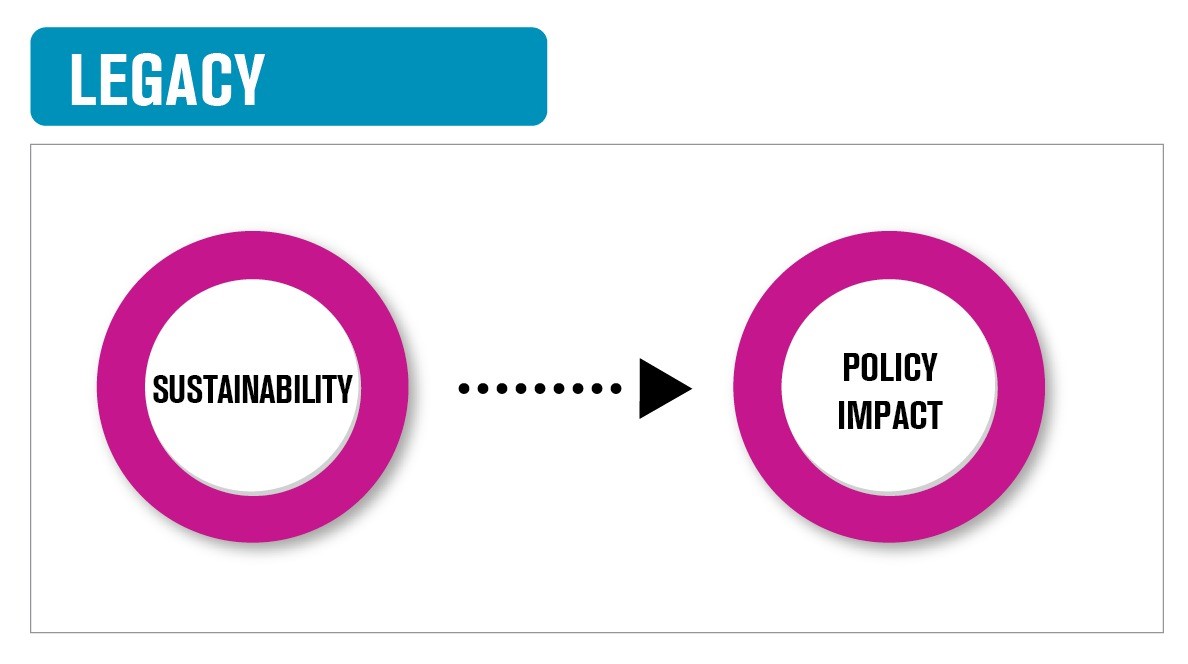
Advocacy and Policy Impact
Citizen science projects can engage with policy processes in several ways through advocacy activities. Generally speaking, policy impact occurs when decision-makers, policy makers, or politicians employ the data, knowledge and results from a citizen science project as the basis for their policies, political decisions and activities. Engaging with policy is often one of the most challenging aspects of a project's impact and legacy work.
Projects often don't think about this early enough in their research design and delivery, meaning that their outputs aren't aligned with the interests of decision makers. In IMPETUS we supported CSIs to develop advocacy plans from the outset, ensuring that, at a minimum, they mapped local policy environments and identified the relevant stakeholders for the issue they were working on, and set advocacy goals for communication and awareness raising.
Impact on policy processes is achieved through the mobilisation of knowledge and information for policy making. Citizen science projects collect large amounts of data, and tap into local or experiential knowledge. This data provides policy makers and politicians with an evidence base to address (new) problems. Access to citizen science generated data is often considered cost-efficient. Furthermore, governments often do not have the type and extent of data provided through citizen science.
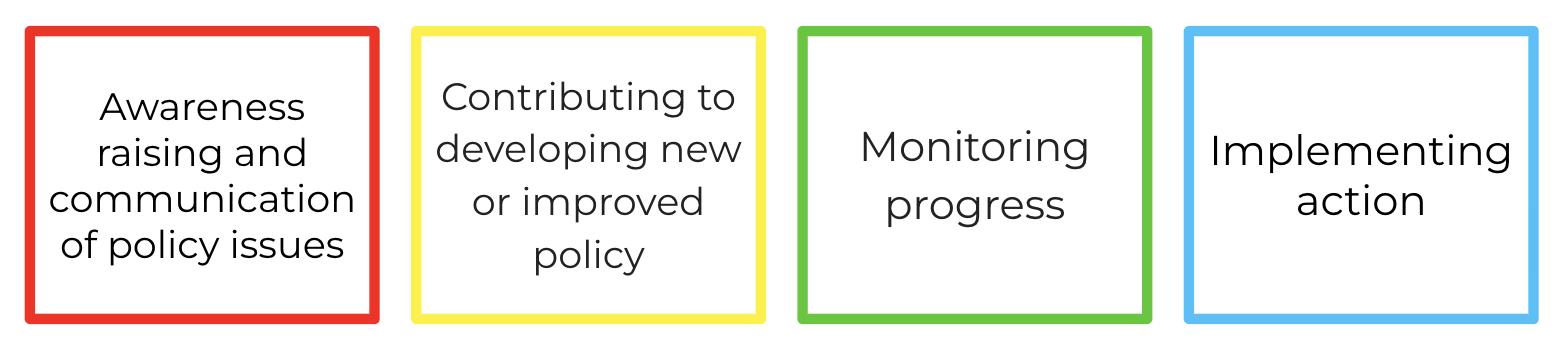
Figure 5: The 4 advocacy pathways introduced during the IMPETUS Bootcamp and Accelerator training.
The 4 Advocacy Pathways
1. Awareness Raising & Communication of Policy Issues
This pathway represents the critical first step, relating to communicating an issue, challenging assumptions, and inspiring civic discourse or behavioral change among participants and the wider public.
Relevant activities and examples include:
- Make a short film highlighting the policy issue and why people should pay attention to it.
- Develop a social media campaign around the policy issue being addressed by the project. If on Twitter - tag government departments responsible for the policy issue.
- Put on an exhibition to show (interim) results of the project. Invite relevant decision makers to the opening and have a discussion about the related policy issues.
- Hold a media brunch when you release project results - frame the press release about specifics of the policy issue of the project. Include specific and tangible recommendations about the issue.
- Develop information leaflets on the project issue to hand out at public events or demonstrations.
2. Contributing to Developing New or Improved Policy
This pathway involves actively adapting policy targets, formal policy input, and providing evidence used to design new or improved regulations, often at the highest administrative levels.
Relevant activities and examples include:
- Review existing policy/legislation on the issue and key gaps.
- Review upcoming policy agenda e.g. planned committee meetings / government strategy.
- Respond to consultations on the issue and provide local experience of tackling an issue.
- Write up your project as a case study or story map to share with decision makers.
- Organise a show and tell between participants and policy makers to enable decision makers to hear first hand from people affected by the issue.
- Organise a roundtable between relevant decision makers at different geographical scales to share learning on the topic.
- Write a policy brief on the issue with recommendations.
3. Monitoring Progress
This pathway utilises CS to produce granular, trustworthy data in areas where official statistics are lacking, adding nuance, or cross-verifying government data to enable accurate policy evaluation.
Relevant activities and examples include:
- Contact National Statistics Office or responsible department to see if there is an agreed methodology for capturing data on a particular issue (e.g. odour pollution, air quality monitoring, beach litter).
- Collect data in the right format that decision makers are expecting. Check which indicators they have specified to track progress about a particular issue to improve local decision making.
4. Implementing Action
This pathway involves tangible outcomes that strengthen collaboration, build capacity among actors, and lead to direct, localised policy actions and increased political participation (which maps directly to one of the criteria under the Policy Impact dimension in the Impact Assessment Matrix).
Relevant activities and examples include:
- Identify other organisations who are working on and monitoring this issue. Organise a networking and advocacy strategising session with these organisations.
- Start a petition. Check how many signatures you will need to get to make a difference to legislation and set that target. Use digital tools to scale your petition efforts.
Citizen science projects can exert influence throughout the whole policy cycle:
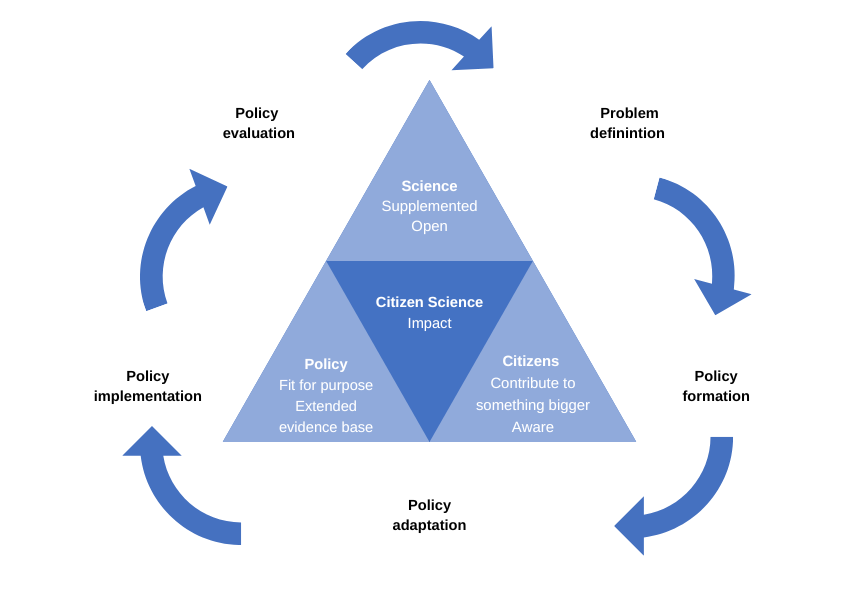
Figure 6: Three main pillars of citizen science in the policy cycle: scientific excellence, citizen engagement and policy-relevance (source: Bioinnovation Service, 2018).
Guidelines to achieve policy impact from citizen science projects
How can you ensure that the data, knowledge, and results of your citizen science project are taken up by policy makers? Here we outline five important steps.
- Get in touch with policy makers
As the biggest potential for citizen science is to create local knowledge, it is usually better to approach local policy makers rather than national representatives. Local policy makers are much more concerned with and connected to the issues that local citizens have. When having conversations with policy makers, it is best to talk about what you can do for them, rather than presenting the project in your own terms. For example, it would be better to talk about the polarisation that is happening between citizens and the local council about odour nuisance, and how involving citizens in gathering data could lead to constructive discussions, rather than explaining your project from A to Z and asking for funding for it. Alternatively, a way to attract the attention of policy makers is via the media. If the project can publish some results that might be of interest or even shocking to citizens, policy makers might be more willing to collaborate. Whether this strategy works depends on the type of interaction with policy makers that is desirable: it runs the risk of antagonising them. - Align citizen science with policy priorities, agendas and processes
Influencing policy processes requires linking the citizen science project to existing policy agendas and processes. This means first, to understand the policy agenda, and its associated activities. Linking and communicating how the project relates to ongoing or emerging policy debates and priorities can attract the attention of policy makers. In this step it helps if the citizen science community is already aware of what policy makers find useful. - Clearly define roles and responsibilities in collaborations between policy makers and citizen science
The interests, needs and work procedures of policy makers, citizen scientists and researchers are not always compatible. It is therefore important that the aims and expectations, as well as roles and responsibilities in policy and citizen science collaborations are clearly, and jointly established. These roles, aims, and expectations are different for every collaboration, so it is important to define them. For example, the role of public organisations can range from being clients paying a fee for the service, to co-creating and implementing solutions, to providing institutional support and offering mentorship. - Continuous collaboration and engagement
Citizen science activities should link to policy-making processes in an ongoing way, for example by involving policy makers and civil servants in the citizen science project design. Ideally, policy makers and the citizen science community would iteratively and jointly discuss and communicate policy needs for data and knowledge and the opportunities that citizen science represents. Collaborations can be diverse, including lasting and formal partnerships but also more informal collaborations and engagement activities. Especially when working on specific policy issues such as environmental monitoring, policy makers can seek strategic partnerships with citizen science organisations. Face-to-face events are important for providing information and spaces for interaction, increasing awareness about the relevance of citizen science data, and fostering exchange and networking between decision-makers, project leaders and practitioners. - Communicating and disseminating knowledge and results
As a basic condition, policy makers and public servants need to be aware of citizen science, the opportunities it offers to help them achieve their policy priorities and goals, as well as how they can engage with citizen science. Benefits, needs, best practices etc. of citizen science for policy development need to be clearly and widely communicated. The combination of publications (e.g. policy briefs, guidelines), advocacy work, and face-to-face activities (e.g. stakeholder roundtables, discovery trips) can help introduce policy makers to the practices of citizen science. These documents and activities can help them see the relevance of these approaches and provide resources to convince their colleagues. Importantly, the terminology used may need to be adjusted to describe citizen science in a way that is relevant to policy makers.
The project EU-Citizen.Science offers recommendations for raising awareness among different audiences, such as policy makers, and a list of recommendations for boosting engagement of society, including policymakers, with citizen science, in both existing and new projects.
The WeObserve Impact Community of Practice members have developed the Citizen Science Impact Storytelling Approach (CSISTA) to support Citizen Science initiatives and Citizen Observatories in capturing their success stories.
The Guidelines for localising SDG targets to neighbourhood, city and regional levels are practical recommendations for activities that policy makers can take to have greater impact towards sustainability targets by harnessing citizen science.
Download
Project Name: A wild future for orchids
Country: Malta
Topic: Biodiversity monitoring
Communities engaged: Volunteers, local residents.
What they did: The project aimed at gathering knowledge on Malta's unique orchid species. A team of researchers from the Biodiversity and Ecology Research Group Institute of the Institute of Earth Systems, University of Malta worked with citizens on various activities like data collection, orchid identification, mapping and outreach, leveraging methods like BioBlitz events to engage citizens.
Advocacy (Contributing to Developing New or Improved Policy): the team was directly involved in policy discussions with the Maltese Environment Resource Authority and the Ministry of Environment. This engagement resulted in the development of an official national policy for the use of citizen science in biodiversity data collection, creating a critical institutional framework for future CS projects.
Project Name: Nature in our Hands
Country: UK
Topic: Biodiversity, Public Trust, Education and Empowerment
Communities engaged: 649 primary school students, 98 staff, 5 local environmental groups/individuals, 2 local creatives/groups, 3 academic researchers as well as local and national policy makers and education professionals.
What they did: The Nature in Our Hands project engaged young learners in environmental stewardship through citizen science. It facilitated students to observe, record, and interpret biodiversity data within their local ecosystems, fostering both scientific literacy and a sense of responsibility for nature. The sessions weaved in elements of the Key Stage 1 and 2 English National Curriculum across Science (Identifying plants and animals, habitats and working scientifically), Geography (Local ecosystems, observation skills and map use), Art and Design (creative expression to represent observations) and Citizenship (developing responsibility for the environment).
Advocacy (Contributing to Developing New or Improved Policy): The project catalysed strategic planning for local land management and governance. As a result of the awareness raising and cohesion building activities within the local community, the local Borough Council representatives are exploring legal arrangements to secure the future of West Rise Marsh under the new East Sussex Unitary Council structure, ensuring long-term protection of this vital green space. Endorsements from decision-makers highlighted the Nature in our Hands project's role in gaining strong votes for community initiatives.

Project Name: Acting4DHH - Citizen Social Science for the Deaf Community
Country: Greece
Topic: Citizen Science With and For Communities
Communities engaged: 60 local residents (deaf and hearing communities).
What they did: The project aimed to provide Deaf and hard-of-hearing (DHH) individuals with the necessary knowledge and tools about citizen social science (CSS), empowering them to become active agents in improving their social well-being. The key issue that the project aimed to tackle were barriers to accessibility and participation that DHH individuals face in an urban setting. The project focused on 1) Mapping challenges and opportunities in DHH-hearing collaborations and communication in everyday settings; 2) Mapping non-accessible areas and services in Thessaloniki using the IMC app.
Advocacy (Implementing Action): the project directly engaged 60 participants to map accessibility issues, successfully forging strong relationships and negotiating with the Municipality of Thessaloniki to implement changes in their e-governance app, strengthening local democratic participation.

Project Name: BREW - Beyond Recycling of E-Waste
Country: UK
Topic: Waste
Communities engaged: Local communities who host Restart parties.
What they did: The Restart project helps people run repair events in their communities where they teach each other how to fix their broken and slow devices – from tablets to toasters. During IMPETUS, the project worked with volunteers to investigate currently available household waste and recycling centres (HWRCs) and the challenges of making reuse more widely available. They mapped reuse at HWRCs across the UK, focussing on dissemination of information about this to the public and policy audiences aiming to make reuse accessible to more people.
Advocacy (Implementing Action): This sustaining project demonstrated strong advocacy, publishing a joint letter to the new UK Prime Minister and Minister of the Department for Environment, Food and Rural Affairs and encouraging citizens to write to their MPs as part of the reuse and repair campaign. Several Members of Parliament, businesses and civil society actors have endorsed their Repair and Reuse declaration. This activity strengthened collaboration between CSIs, policymakers, and civil society around specific policy targets.
Sustainability
As outlined above, projects can take different approaches to sustainability, depending on the goals they set. Some projects focus on answering a specific research question, while others carry out research on an ongoing basis.
In the first case, once a question has been addressed, new questions may emerge and become part of the project. Alternatively, the project may come to an end. Projects that carry out continuous research tend to evolve over time. Their questions may shift, and their methods for collecting and working with data may adapt accordingly.
To remain sustainable, projects should consider three distinct aspects: financial sustainability (i.e. continuous funding), output sustainability (i.e. keeping their results available for future use), and community sustainability. The community of a citizen science project are all the contributors who participate in it. It is important to support them to make it possible to maintain, or even to grow the project, and include a larger number of citizen scientists.
Community sustainability
Citizen science projects rely on the active involvement of participants, whose motivations, availability, and level of engagement may vary over time. For this reason, community sustainability is a key consideration, particularly for projects that aim to operate over the long term.
Developing a thoughtful approach to sustaining participation is essential. This includes not only attracting new participants, but also creating the conditions for continued engagement. Clear communication, meaningful participation opportunities, and recognition of contributions can all support a stronger and more resilient community over time.
At the same time, community sustainability should not be understood solely in relation to the needs of the project. Even when research activities come to an end, the community that has formed around the project may still hold value in itself. Participants may wish to continue interacting, sharing knowledge, or engaging with the topic that brought them together. In some cases, they may also be interested in continuing data collection or related activities independently.
For this reason, it is important to consider how communities can be supported beyond the lifespan of a project. This may involve opening up spaces for continued exchange, or enabling participants to take a more active role in shaping future activities. Where there is interest, efforts can be made to empower community members to self-organise and continue their engagement autonomously.
Approaching community sustainability in this way helps to recognise participants not only as contributors to a project, but as part of a community with its own interests, motivations, and potential for continuity.
Financial sustainability
The majority of citizen science projects start out with financial support from small grants, mainly from public bodies, or are dependent upon goodwill, volunteering and pro bono work. However, these may not be sustainable, and financial sustainability is important for citizen science projects to run long term.
While costs at the beginning of a project may appear limited, projects should not underestimate the long-term requirements. Common costs projects need to cover include the purchase of hardware, such as sensors; communications costs; development or subscription fees for applications; staff costs, if not purely volunteer based; and infrastructure costs, for example to continue to run a website.
Becoming financially sustainable can be challenging for citizen science projects and for organisations that promote them. Depending on the project, there are various opportunities to ensure further funding or development of a business model to support a project. Care should be taken to ensure fairness in the commercialisation of any project that has relied on volunteer resources to develop. In practice, creativity is key to leveraging available opportunities. While the majority of environmentally focussed European citizen science projects rely on grant funding at initiation (Turbé et al., 2019), many projects rely on a portfolio of income streams and dynamic use of resources to maintain themselves (Cunha et al., 2017). A diversified mix of funding sources is essential for long-term financial sustainability. Below are some options that can be considered.
Hardware sales
Where hardware has been developed within a project, even if designs or data are made open access, sales of kits or pre-built hardware can contribute to a project's sustainability. Often this takes the form of consultancy on kit adaptation or improvement, training and similar.
Subscription models
Often going hand-in-hand with hardware sales, citizen science projects, have developed subscription models to unlock software as a service, for instance providing access to App features or data processing tools. These models rely, however, on having some non-open code or data, requiring careful navigation in relation to the data guidelines discussed above.
Crowd-funding
Crowdfunding platforms have become an increasingly popular way to support citizen science projects since the early 2000s. They are now used by both academic institutions and bottom-up initiatives to secure funding.
Successful campaigns typically have a clear and well-defined goal, and offer engaging or meaningful opportunities for contributors. However, designing and promoting a crowdfunding campaign requires time, careful planning, and content tailored to a specific audience.
While a single crowdfunding campaign is unlikely to ensure long-term financial sustainability - and may involve a relatively high administrative effort - it can still play a valuable role as part of a broader, diversified funding strategy.
Prizes and Awards
When developing your citizen science project, consider leveraging prizes and awards as a dual strategy for financial sustainability. These opportunities offer not only direct financial gain but also crucial visibility and prestige, which can significantly enhance your project's ability to attract further funding and support.
A prime example is the European Union Prize for Citizen Science, which ran during the IMPETUS project. This prestigious prize awarded significant prize money to the top winners across several categories, including the Grand Prize, the Diversity and Collaboration Award, and the Digital Communities Award, in addition to granting Honorary Mentions that benefited from the visibility alone. Projects coming from the IMPETUS Accelerator programme successfully used this route:
- Antiquake won the Digital Communities Award in 2025.
- SeaPacs won the Diversity and Collaboration Award in 2024.
- Museum of Food Waste won the Diversity and Collaboration Award in 2025.
Winning or even being shortlisted for such a prize provides a strong validation of your project's impact and innovation, making it a more attractive proposition for future donors, sponsors, and grant applications. Factor the pursuit of relevant prizes into your funding strategy.
Up-scaling funding applications
Once a project has been running for a little while, generated results and demonstrated impact, there is a stronger case to be made in applying for larger funding opportunities at a national and international level. Key factors that affect the strength of a follow-up funding case are: proven impact, strong dissemination, strong network (including international partner organisations if appropriate) and a strong argument for growing the project (either in terms of size, geographical reach, extending the approach to a new problem space...).
Direct donations
Projects with a strong cause-oriented or community focus may be able to raise funds through direct donations. In this case - particularly when organising a donation drive - it is important to clearly communicate the opportunity to contribute across all channels, including press releases, websites, and social media. Simple and reliable technical solutions (such as a dedicated donation button) should be in place to ensure a smooth and accessible donation process.
An effective communication campaign is essential. Messages should highlight the relevance of the project and its contribution to the topic of interest for the community. Aligning fundraising efforts with specific moments or awareness days (such as Earth Day) can help increase visibility and engagement.
Good practices also include keeping track of donations and maintaining transparent communication with supporters. Where possible, offering options for recurring contributions can strengthen financial sustainability, as regular donations tend to provide greater stability than one-off contributions.
Reframing as science education
Citizen science projects can access additional funding opportunities by (re)framing their activities as forms of informal science education (Ottinger, 2017). This approach can open up new streams of funding at local, national, and international levels.
Adopting this perspective often requires aligning project activities with educational goals and making them adaptable to different learning contexts and audiences. This may involve designing activities that can be scaled or applied across a range of settings and communities.
Such an approach can be particularly well suited to projects with a strong educational dimension.
Private sector funding through Corporate Social Responsibility (CSR)
Medium and large companies often support local initiatives as part of their Corporate Social Responsibility (CSR) strategies. Citizen science projects can represent an attractive opportunity for such support, particularly when they address topics that are relevant to the company's activities or of interest to its employees.
This can provide an additional channel for securing financial support for specific project activities. To pursue this opportunity effectively, it is important to establish direct contact with potential funders — typically through CSR managers — using a clear and concise message that presents the project and highlights its societal value.
The selection of companies to approach should be guided primarily by two factors: geographical proximity and thematic relevance. Companies are generally more inclined to support initiatives that operate in the same area where they are based, and that relate to their sector or field of activity. For example, a sportswear company may be interested in supporting projects that involve outdoor activities or environmental monitoring.
At the same time, it is important to carefully consider the alignment between the project's values and those of the potential funder. Ensuring that collaborations are consistent with the project's principles can help maintain credibility and trust, and avoid associations that may be perceived as primarily reputational rather than substantive.
This type of funding is often more accessible to projects that can demonstrate strong community engagement and offer visibility to the supporting organisation.
Crowdfunding platforms
Popular platforms for citizen science projects are kickstarter.com and indiegogo.com, Goteo and experiment.com. The latter was specifically designed for science projects, and vets the projects for minimum scientific rigour before publication.
ACTION Webinar on financial sustainability
In this webinar, supported by several experts, we present different complementary paths towards sustainability, including many discussed above, and practical examples.
Project Name: Stars4all
Country: Spain
Topic: Light pollution
Communities engaged: Private citizens and organisations.
What they did: Stars4all was a project dedicated to light pollution, funded by the European Commission's seventh framework programme. In order to assure sustainability of the project and its community, a not-for-profit, public interest foundation was established in Spain. The selection of this legal entity was driven by several considerations, such as the options to collect donations from private citizens and organisations, and to participate in public open calls. The Stars4all foundation sells photometers: a device developed during the initial project, which allows citizens to measure light pollution. The foundation is responsible for the manufacturing, sales and post-sale support. It has a marketplace where people can buy merchandise, and provides open data management support. It also supports CS projects in carrying out crowdfunding campaigns, and organises awareness raising events.
Read moreGlossary
| Term | Definition |
|---|---|
| Accelerator | An intensive, structured program designed to help projects or startups grow quickly. It provides participants with mentorship, training, and sometimes funding to scale up their ideas. |
| Advocacy | The act of publicly supporting, recommending, or arguing for a specific cause, policy, or group of people. In citizen science, advocacy often means using the data collected or evidence generated by citizens to influence decision-makers. |
| Artificial Intelligence (AI) | Technology that allows computers and machines to mimic human intelligence. It enables software to learn from data, recognise patterns, make decisions, and solve problems without being explicitly programmed for every single step. See also Generative AI and Large language models (LLMs). |
| Bottom-up | Refers to a situation where community members generate the research question or initiate a project. Opposite of Top-down. |
| Bootcamp | A short, highly focused, and intensive training session. Inside an accelerator, a bootcamp is used to quickly teach participants specific practical skills, solve immediate problems, or prepare them for the next stages of the program. |
| Campaign | A short term activity or project. |
| Citizen science initiatives (CSIs) | A collective term for the projects supported through the IMPETUS Accelerator. |
| Collective Intelligence | Shared or group intelligence that emerges from the collaboration, collective efforts, and competition of many individuals and appears in consensus decision-making. |
| Data cleaning | The process of removing inconsistencies from data (or dealing with outliers) before analysis. |
| Data management plan | Document that describes the data lifecycle: how it is collected, processed, published, etc. |
| Data quality | Activities that apply quality management techniques to data, such as planning, implementation, or control, in order to assure the data is fit for consumption and meet the needs of data consumers. |
| Data set | Collection of information belonging together (often a spreadsheet with values). |
| EDI | Equity, Diversity and Inclusion. This refers to the social dimension of citizen science projects. |
| FAIR principles | Principles that apply to open science data. The four principles are: Findability, Accessibility, Interoperability, and Reusability. |
| GDPR | General Data Protection Regulation 2016/679. EU law governing data protection principles, including the collection, storage and usage of personal data. |
| Generative AI | A type of Artificial Intelligence (AI) that can create new content from scratch. Unlike traditional AI, which mostly analyses existing data or follows strict rules, Generative AI uses patterns it has learned to generate original text, images, music, audio, or even computer code based on simple instructions (prompts) given by a user. |
| Impact | Consequences of an action. For CS projects, impact primarily concerns intended consequences or goals. |
| Intellectual Property Rights (IPR) | Rights of content producers. IPR are created with the development of any outputs (analysis, reports, videos, photos...). The most common form is Copyright. IPR can be sold, released, or adapted through Licensing. |
| Large language models (LLMs) | A specific type of Artificial Intelligence (AI) trained on massive amounts of text. It can understand, summarise, generate, and predict human language. Examples include tools that can write essays, translate languages, or power conversational chatbots. |
| Licensing | Licenses regulate the ownership and legal use of resources, such as data. The most common form of licensing is Creative Commons. Licenses allow others to use the licensed resource under the terms the license defines (such as 'name the source'). |
| Milestone | Key points in a project plan that need to be achieved. |
| Open data | Data/information that is reusable by others through appropriate Licencing. |
| Platform | Software infrastructure that allows or eases specific steps of a citizen science project, such as data gathering (e.g. on Epicollect5) or classification (e.g. on Zooniverse). |
| Policy maker | Any actor involved in making or influencing policy, at any level of government or another organisation. |
| Research question | A question that a study or research project aims to answer. It often addresses an issue or a problem, which, through analysis and interpretation of data, is answered in the study's conclusion. |
| Results aggregation | The process of grouping together results produced by multiple contributors. |
| Responsible Research and Innovation (RRI) | Approach to research and innovation that accounts for its Impact. |
| Sample | A specimen or small amount of something, often for analysis. |
| Sensor | Device that measures something, often automatically. |
| Stakeholder | All people/groups with an influence on or an interest in a project. |
| Top-down | Refers to a situation where a person or institution outside the community, usually with authority within the research or governance space, initiates a project. Opposite of Bottom-up. |
References
- Aristeidou, M., Scanlon, E., & Sharples, M. (2017). Profiles of engagement in online communities of citizen science participation. Computers in Human Behavior, 74, 246–256. doi:10.1016/j.chb.2017.04.044
- Austen, K. (2020a), ACTION Final Report First Round of the Call: Lessons Learned from Running a Citizen Science Accelerator during a Pandemic. doi:10.5281/zenodo.4533681
- Austen, K. (2020b), ACTION Workshop Report 1. doi:10.5281/zenodo.5554639
- Austen, K. (2021), Accelerating Citizen Science projects: Lessons from the Second Run. doi:10.5281/zenodo.5638907
- Austen, K. (2022), ACTION Workshop Report 2: Practical Steps to Supporting Best Practice in Citizen Science. doi:10.5281/zenodo.5841614
- Bandura, A. (1978). Reflections on self-efficacy. Advances in Behaviour Research and Therapy, 1(4), 237–269. doi:10.1016/0146-6402(78)90012-7
- Baroni, I., Celino, I., González Guardia, E. (2022), Final guidelines, recommendations and tools for quality assurance.
- Bio Innovation Service, Directorate-General for Environment (European Commission), Fundación Ibercivis, & The Natural History Museum. (2018). Citizen science for environmental policy: Development of an EU wide inventory and analysis of selected practices. Publications Office of the European Union. doi:10.2779/961304
- Bonney, R., Cooper, C. B., Dickinson, J., Kelling, S., Phillips, T., Rosenberg, K. V., & Shirk, J. (2009). Citizen Science: A Developing Tool for Expanding Science Knowledge and Scientific Literacy. BioScience, 59(11), 977–984. doi:10.1525/bio.2009.59.11.9
- Cooper, C. B., Rasmussen, L. M., & Jones, E. D. (2021). Perspective: The power (dynamics) of open data in citizen science. Frontiers in Climate, 3, 637037. doi:10.3389/fclim.2021.637037
- Cunha, D. G. F., Marques, J. F., Resende, J. C. D., Falco, P. B. D., Souza, C. M. D., & Loiselle, S. A. (2017). Citizen science participation in research in the environmental sciences: Key factors related to projects’ success and longevity. Anais Da Academia Brasileira De Ciencias, 89(3 Suppl), 2229–2245. doi:10.1590/0001-3765201720160548
- Davis, L. F., Ramírez-Andreotta, M. D., & Buxner, S. R. (2020). Engaging Diverse Citizen Scientists for Environmental Health: Recommendations from Participants and Promotoras. Citizen Science: Theory and Practice, 5(1), 7. doi:10.5334/cstp.253
- European Commission. (2014). Green Paper on Citizen Science. Citizen Science for Europe. Link
- Eurostat. (2025, December 16). 32.7% of EU people used generative AI tools in 2025. European Commission. Link
- Eveleigh, A., Jennett, C., Blandford, A., Brohan, P., & Cox, A. L. (2014). Designing for dabblers and deterring drop-outs in citizen science. Proceedings of the SIGCHI Conference on Human Factors in Computing Systems, 2985–2994. doi:10.1145/2556288.2557262
- Gneezy, U., & Rustichini, A. (2000). A Fine is a Price. The Journal of Legal Studies, 29(1), 1–17.
- Goeschl, T., & Jürgens, O. (2012). Environmental quality and welfare effects of improving the reporting capability of citizen monitoring schemes. Journal of Regulatory Economics, 42(3), 264–286. doi:10.1007/s11149-012-9191-6
- Göbel, C., Martin, V.Y. and Ramirez-Andreotta, M. (2017). Stakeholder Analysis: International Citizen Science Stakeholder Analysis on Data Interoperability. Washington, DC: Woodrow Wilson International Centre for Scholars. Available at https://www.wilsoncenter.org/publication/international-citizen-science-stakeholder-analysis (last accessed 23rd June 2021)
- Grossberndt, S., Passani, A., Di Lisio, G., Janssen, A., Castell, N. (2021) Transformative Potential and Learning Outcomes of Air Quality Citizen Science Projects in High Schools Using Low-Cost Sensors. Atmosphere, 12, 736. doi:10.3390/atmos12060736
- Guerrini, C. J., Majumder, M. A., Lewellyn, M. J., & McGuire, A. L. (2018). Citizen science, public policy. Science, 361(6398), 134–136. doi:10.1126/science.aar8379
- Intemann, K. (2009). Why Diversity Matters: Understanding and Applying the Diversity Component of the National Science Foundation’s Broader Impacts Criterion. Social Epistemology, 23(3–4), 249–266. doi:10.1080/02691720903364134
- Ko, R., Jeong, J., Zheng, S., et al. (2025). Seven security challenges that must be solved in cross-domain multi-agent LLM systems. arXiv. doi:10.48550/arXiv.2505.23847
- Land-Zandstra A., Agnello G., Gültekin Y.S. (2021) Participants in Citizen Science. In: Vohland K. et al. (eds) The Science of Citizen Science. Springer, Cham. doi:10.1007/978-3-030-58278-4_13
- Lee, T. K., Crowston, K., Harandi, M., Østerlund, C., & Miller, G. (2018). Appealing to different motivations in a message to recruit citizen scientists: Results of a field experiment. Journal of Science Communication, 17(1), A02. doi:10.22323/2.17010202
- Maddalena, E., Baroni, I., Janssen, A., Thuermer, G. (2022) Final analysis and guidelines of incentives and motivation within citizen science.
- Martin, D., Carpendale, S., Gupta, N., Hoßfeld, T., Naderi, B., Redi, J., Siahaan, E. and Wechsung, I. (2017). Understanding the crowd: Ethical and practical matters in the academic use of crowdsourcing. In Evaluation in the crowd. Crowdsourcing and human-centered experiments (pp. 27-69). Springer, Cham.
- McKiernan, E. C., Bourne, P. E., Brown, C. T., Buck, S., Kenall, A., Lin, J., McDougall, D., Nosek, B. A., Ram, K., Soderberg, C. K., Spies, J. R., Thaney, K., Updegrove, A., Woo, K. H., & Yarkoni, T. (2016). How open science helps researchers succeed. ELife, 5, e16800. doi:10.7554/eLife.16800
- Ottinger, G. (2017) ‘Reconstructing or Reproducing? Scientific authority and modes of change in two traditions of citizen science’, in Tyfield, D. (ed.) The Routledge handbook of the political economy of science. Abingdon, Oxon; New York, NY: Routledge.
- Palmer, A., Reynolds, S. J., Lane, J., Dickey, R., & Greenhough, B. (2020). Getting to grips with wildlife research by citizen scientists: What role for regulation? People and Nature, 3(1). doi:10.1002/pan3.10151
- Page, S. E. (2014). Where diversity comes from and why it matters? European Journal of Social Psychology, 44(4), 267–279. doi:10.1002/ejsp.2016
- Passani, A., Janssen, A., & Hölscher, K. (2021). Impact assessment framework. Zenodo. doi:10.5281/zenodo.4432132
- Phillips, T. B., Ballard, H. L., Lewenstein, B. V., & Bonney, R. (2019). Engagement in science through citizen science: Moving beyond data collection. Science Education, 103(3), 665–690. doi:10.1002/sce.21501
- Polleri, M. (2019). Conflictual collaboration: Citizen science and the governance of radioactive contamination after the Fukushima nuclear disaster. American Ethnologist, 46(2), 214–226. doi:10.1111/amet.12763
- Re Calegari, G., Celino, I., Scrocca, M., González, E. & Zamorano, J. (2020). Participant motivation to engage in a citizen science campaign: The case of the TESS network. doi:10.5281/zenodo.4068333
- Reeves, N., Celino, I., Re Calegari, G. (2021). D 5.6 - Initial analysis and guidelines of incentives and motivation within citizen science. doi:10.5281/zenodo.5553724
- Reynolds, A., & Lewis, D. (2017, March 30). Teams Solve Problems Faster When They’re More Cognitively Diverse. Harvard Business Review. Link
- Resnik, D. B. (2019). Citizen Scientists as Human Subjects: Ethical Issues. Citizen Science: Theory and Practice, 4(1), 11. doi:10.5334/cstp.150
- Robinson, L. D., Cawthray, J. L., West, S. E., Bonn, A., & Ansine, J. (2018). Ten principles of citizen science. In Citizen Science: Innovation in Open Science, Society and Policy. UCL Press. doi:10.2307/j.ctv550cf2
- Roman, D., Reeves, N., Gonzalez, E., Celino, I., Abd El Kader, S., Turk, P., Soylu, A., Corcho, O., Cedazo, R., Calegari, G., Scandolari, D., & Simperl, E. (2020). An analysis of pollution citizen science projects from the perspective of data science and open science. doi:10.13140/RG.2.2.29949.38886
- Schrögel, P., & Kolleck, A. (2019). The Many Faces of Participation in Science: Science & Technology Studies, 32(2), 77–99. doi:10.23987/sts.59519
- Segal, A., Gal, Y. (Kobi), Simpson, R. J., Victoria Homsy, V., Hartswood, M., Page, K. R., & Jirotka, M. (2015). Improving Productivity in Citizen Science through Controlled Intervention. Proceedings of the 24th International Conference on World Wide Web, 331–337. doi:10.1145/2740908.2743051
- Simperl, E., Reeves, N., Phethean, C., Lynes, T., & Tinati, R. (2018). Is Virtual Citizen Science A Game? ACM Transactions on Social Computing, 1(2), 1–39. doi:10.1145/3209960
- Schaefer, T., Kieslinger, B., & Fabian, C. M. (2020). Citizen-Based Air Quality Monitoring: The Impact on Individual Citizen Scientists and How to Leverage the Benefits to Affect Whole Regions. Citizen Science: Theory and Practice, 5(1), 6. doi:10.5334/cstp.245
- Schlagwein, D., & Willcocks, L. (2023). ‘ChatGPT et al.’: The ethics of using (generative) artificial intelligence in research and science. Journal of Information Technology, 38(3), 232–238. doi:10.1177/02683962231200411
- Scrocca, M., Scandolari, D., Re Calegari, G., Baroni, I., & Celino, I. (2021). The Survey Ontology: Packaging Survey Research as Research Objects. Proceedings of the 2nd Workshop on Data and Research Objects Management for Linked Open Science - co-located with ISWC 2021. doi:10.4126/FRL01-006429412
- Skarlatidou, A., Suškevičs, M., Göbel, C., Prūse, B., Tauginiënë, L., Mascarenhas, A., Mazzonetto, M., Sheppard, A., Barrett, J., Haklay, M., Baruch, A., Moraitopoulou, E.-A., Austen, K., Baïz, I., Berditchevskaia, A., Berényi, E., Hoyte, S., Kleijssen, L., Kragh, G., Legris, M., Mansilla-Sanchez, A., Nold, C., Vitos, M. and Wyszomirski, P. (2019). The Value of Stakeholder Mapping to Enhance Co-Creation in Citizen Science Initiatives. Citizen Science: Theory and Practice, 4(1), p.24. doi:10.5334/cstp.226
- Standing, S., & Standing, C. (2018). The ethical use of crowdsourcing. Business Ethics: A European Review, 27(1), 72-80.
- Sun, Y., Sheng, D., Zhou, Z., & Wu, Y. (2024). AI hallucination: towards a comprehensive classification of distorted information in artificial intelligence-generated content. Humanities and Social Sciences Communications, 11. doi:10.1057/s41599-024-03811-x
- Takale, D. G., Mahalle, P. N., & Sule, B. (2024). Cyber security challenges in generative ai technology. Journal of Network Security Computer Networks, 10(1), 28–34. Link
- Teacher, A. G. F., Griffiths, D. J., Hodgson, D. J., & Inger, R. (2013). Smartphones in ecology and evolution: A guide for the app-rehensive. Ecology and Evolution, 3(16), 5268–5278. doi:10.1002/ece3.888
- Thuermer, G., Koesten, L., & Simperl, E. (2023). Talking metadata. Understanding privacy implications of volunteer contributions in citizen science projects. Ethics & Politics/Etica e Politica, 25(2).
- Tinati, R., Luczak-Roesch, M., Simperl, E., & Hall, W. (2017). An investigation of player motivations in Eyewire, a gamified citizen science project. Computers in Human Behavior, 73, 527–540. doi:10.1016/j.chb.2016.12.074
- Tinati, R., Van Kleek, M., Simperl, E., Luczak-Rösch, M., Simpson, R., & Shadbolt, N. (2015). Designing for Citizen Data Analysis: A Cross-Sectional Case Study of a Multi-Domain Citizen Science Platform. Proceedings of the 33rd Annual ACM Conference on Human Factors in Computing Systems, 4069–4078. doi:10.1145/2702123.2702420
- Turbé, A., Barba, J., Pelacho, M., Mugdal, S., Robinson, L. D., Serrano-Sanz, F., Sanz, F., Tsinaraki, C., Rubio, J.-M., & Schade, S. (2019). Understanding the Citizen Science Landscape for European Environmental Policy: An Assessment and Recommendations. Citizen Science: Theory and Practice, 4(1), 34. doi:10.5334/cstp.239