
Project Description:
According to the 2024 large-scale Zooniverse Neurodiversity Survey, neurodivergent people often find it easier to contribute to citizen science online rather than in person. However, most or all citizen science projects were developed without regard for neurominorities’ needs. Neuro(Minorities)Science is here to fill this gap. A working group, led by Oxford-based Zooniverse researcher Alisa Apreleva, will brainstorm, create, and publish accessibility guidelines to empower people with all kinds of brains to participate more comfortably in online citizen science. This is the first crowdsourced lived-experience project to focus on accessibility features in digital citizen science for neurominorities with or without disabilities. This includes autistic people and people with various mental health and neurological conditions – for example, anxiety, depression, bipolar disorder, dyslexia, ADHD, posttraumatic stress disorder, Parkinson’s disease, ALS or chronic fatigue syndrome. Neurodivergent citizen scientists and allies aged 18 years and older, from any country, are invited to participate in our online (writing) working group.
Project Type: Kickstarter
Theme: Inclusion
Mentor: Neal Reeves
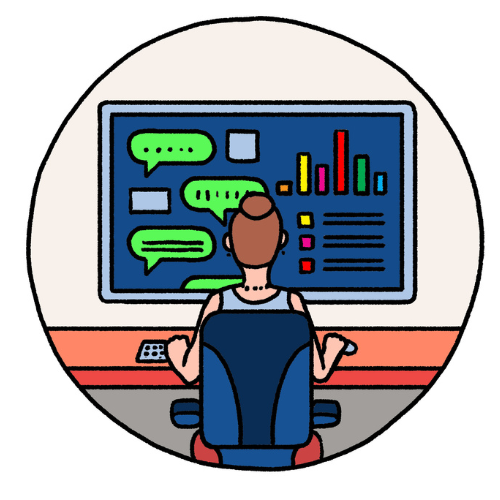
Let’s Make Digital Citizen Science Neuroinclusive!
Neuro(Minorities)Science is an international online working group of 89 adult neurodivergent citizen scientists and allies, all with experience contributing to digital citizen-science projects on platforms such as Zooniverse, iNaturalist, and the European Citizen Science (ECS) platform. The project is led by Dr. Alisa Apreleva at the University of Oxford, working with the Zooniverse research group.
We collaborated remotely—through written communication, across countries and time zones—with the shared goal of making digital citizen science accessible to people with mental health and neurological conditions and differences.
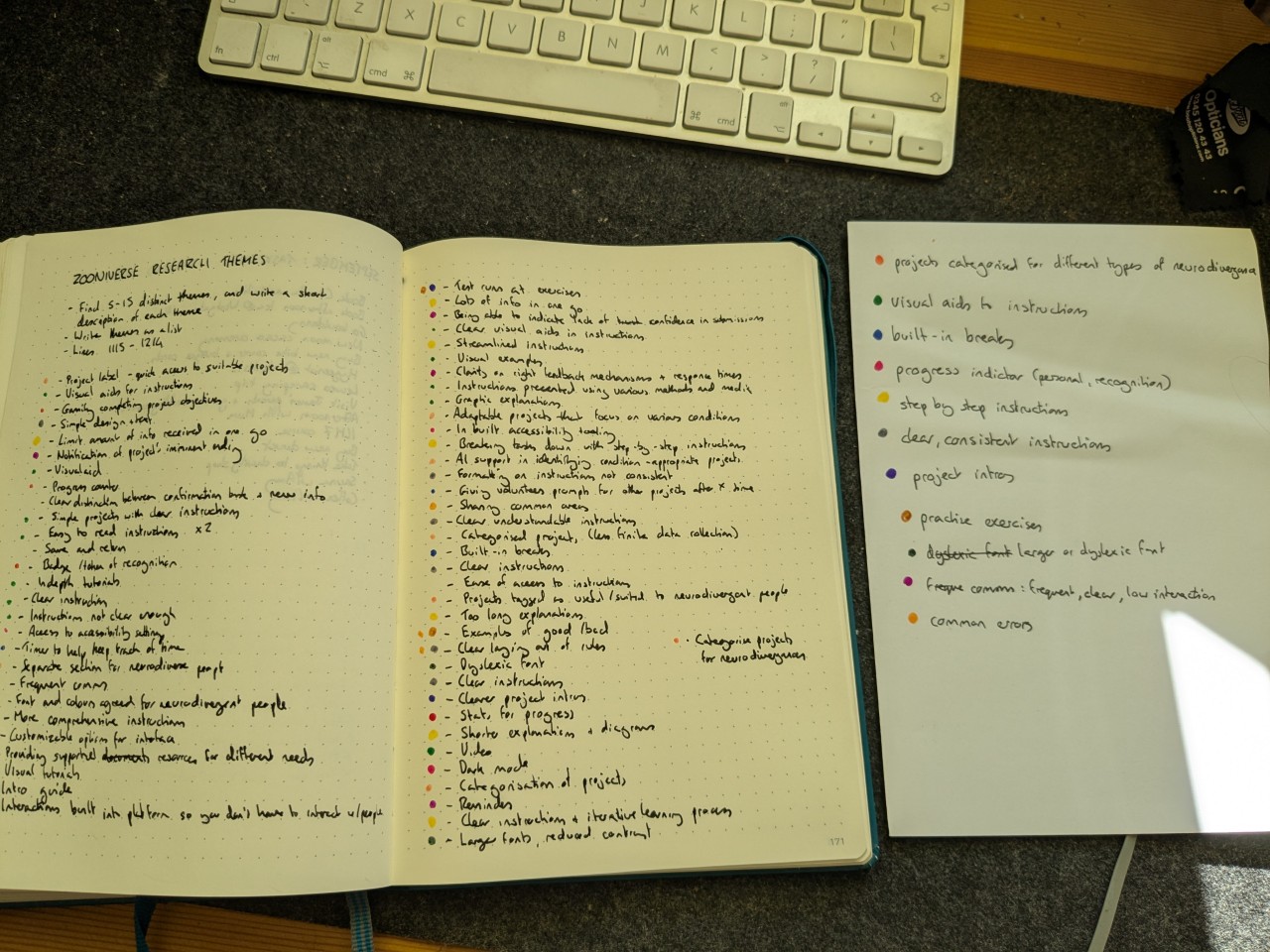
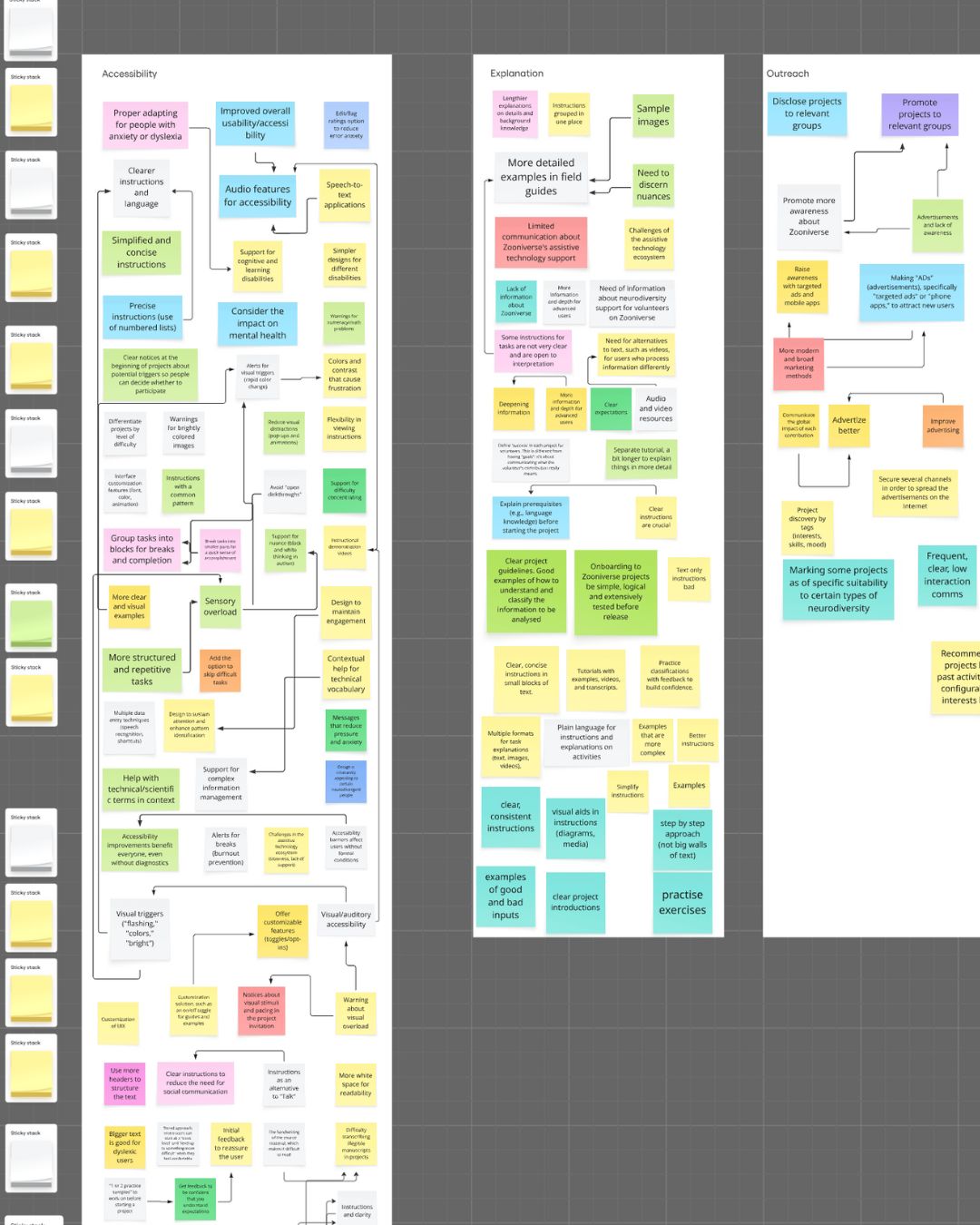
We began with an ideation session where participants brainstormed ways to make digital citizen science more neuroinclusive and shared accessibility resources and research with one another. We then used thematic analysis to organise and interpret these ideas—alongside 1,687 free-text responses from the 2024 Zooniverse large-scale neurodiversity survey—and identified distinct accessibility themes.
”“If you have to watch a video, please avoid music in the background”
The main outcome of our work is a set of written accessibility guidelines for neurodiversity-welcoming digital citizen science, containing 91 accessibility features grouped into 11 functional domains:
Onboarding, Project Instructions, Task Presentation, Integrity, Co-design, Project Management, Safety, Human Value, Web Interface (General Technical Functionality), Web Interface (Opt-in Features), and Outreach.
Many participants in digital citizen-science projects are neurodivergent. For many of us, crowdsourced research offers an enjoyable, meaningful, and accessible way to contribute to science and society. Yet most existing citizen-science platforms were developed without considering the needs of neurominorities.
”“Keep information and instructions clear and concise. Avoid bombarding participants with too much information”
Our guidelines provide practical support to digital citizen-science teams, platform developers, and science communicators who want to create safe, inclusive online environments where everyone can contribute productively. In doing so, our work has implications for major stakeholders—including Zooniverse, iNaturalist, ECS, CisSci, SciStarter, and COALESCE—and for future policy-making on inclusion in citizen science and research more broadly.
We were supported by the IMPETUS Accelerator, which provided a strong framework for planning, budgeting, communicating our research to the open-science community, and connecting with policymakers. This step-by-step guidance helped us transform lived experience and community insight into actionable recommendations for neuroinclusive digital citizen science—from customisable interfaces and communication practices to safety measures and volunteer appreciation.
”“The more transparent and communicative science projects can be, the better”
Our next steps include publishing the guidelines in a peer-reviewed journal and sharing our findings through conferences and direct outreach to key stakeholders. We also hope to remain active as a group and continue advocating for neuroinclusive digital citizen science. Future areas of work may include:
-
Developing training materials in neuroinclusive communication for project administrators and moderators;
-
Consulting platform teams on improving web-interface accessibility;
-
Raising awareness of the vital role neurodivergent people play in digital citizen science.
”“Suitable for screenreaders. High contrast settings. Minimalistic design option for highly sensitive persons”