
Project Description:
This project brings communities and rivers closer together through inclusive, hands-on environmental action. Focusing on Coventry, we will support underrepresented groups, particularly those from low-income, ethnically diverse, neurodivergent, and urban backgrounds, to become citizen scientists and monitor the health of the River Severn tributaries. Volunteers will be trained to use low-cost sensors, take water samples, and visualise data using a bespoke dashboard. By working closely with researchers in environmental chemistry, data science, and social science, we will explore how community-collected data compares with lab analysis and how it can be made more accessible and impactful. Co-designed workshops will build confidence in data interpretation and freshwater literacy, and community needs will shape every stage of the work. This project will develop a scalable, inclusive model for citizen science, deepen public engagement with rivers, and create lasting pathways into environmental volunteering, helping to make river conservation more representative, trusted, and future-facing.
Project Type: Kick Starting
Theme: Public Trust, Education and Empowerment
Mentor:Francesco di Grazia
Widening Participation in River Monitoring: Citizen Science for Underserved Communities
Empowering Underserved Communities through Freshwater Citizen Science is an initiative focused on widening participation in freshwater monitoring along the River Sowe and surrounding watercourses in Coventry. Delivered by Severn Rivers Trust, an independent environmental charity, through its Warwickshire–Avon River Engagement Officer, the project engages volunteers, citizen scientists, and community groups to build local ownership of river health.
A central aim of the project is to address underrepresentation in environmental spaces by ensuring that residents from underserved communities have accessible, credible opportunities to participate. Many neighbourhoods along the Sowe face barriers to engaging with blue-green spaces despite strong interest in environmental issues. The project responds by shaping an inclusive volunteer offer, informed by community feedback and designed to remove practical obstacles to involvement, ensuring that participants feel confident taking part in activities that strengthen their connection to local rivers.
To support accessibility, volunteers can register through digital forms, paper options, or in-person sign-ups. Structured feedback is collected during training sessions and monitoring events, allowing participants to shape the activity design and ensuring communication remains clear and approachable. This approach creates a volunteer experience that feels genuinely welcoming to newcomers and supports sustained, long-term engagement within the community.
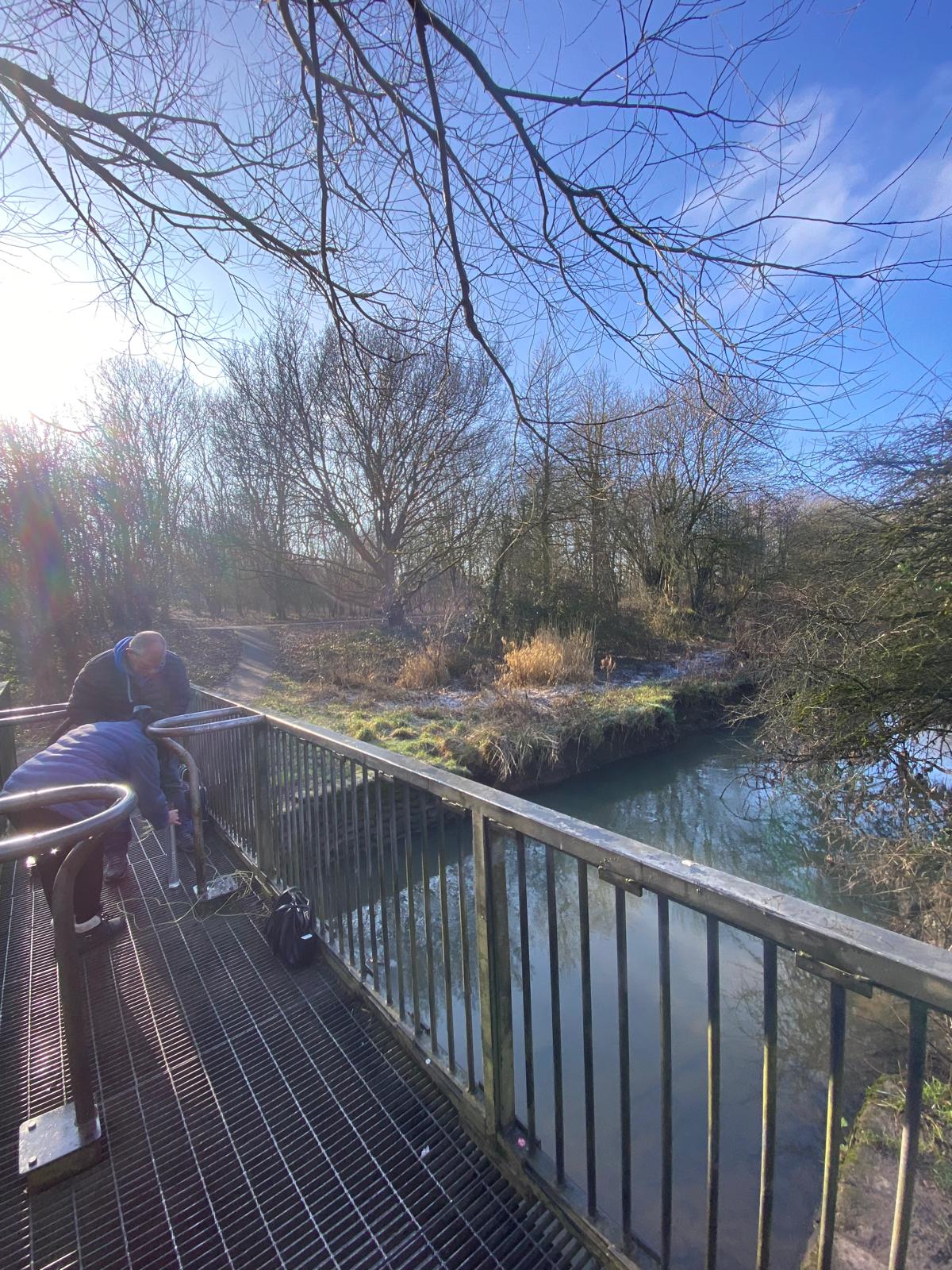
Water quality monitoring is undertaken using Water Rangers kits, a national citizen science programme known for accessible methods and an open-source data platform. This ensures that volunteers retain ownership of their data, can track trends over time, and contribute confidently to evidence supporting local decision-making. The project also encourages participation in The Rivers Trust’s Big River Watch, enabling volunteers to connect local observations with national patterns in river health and to broaden their understanding of freshwater issues across the UK.
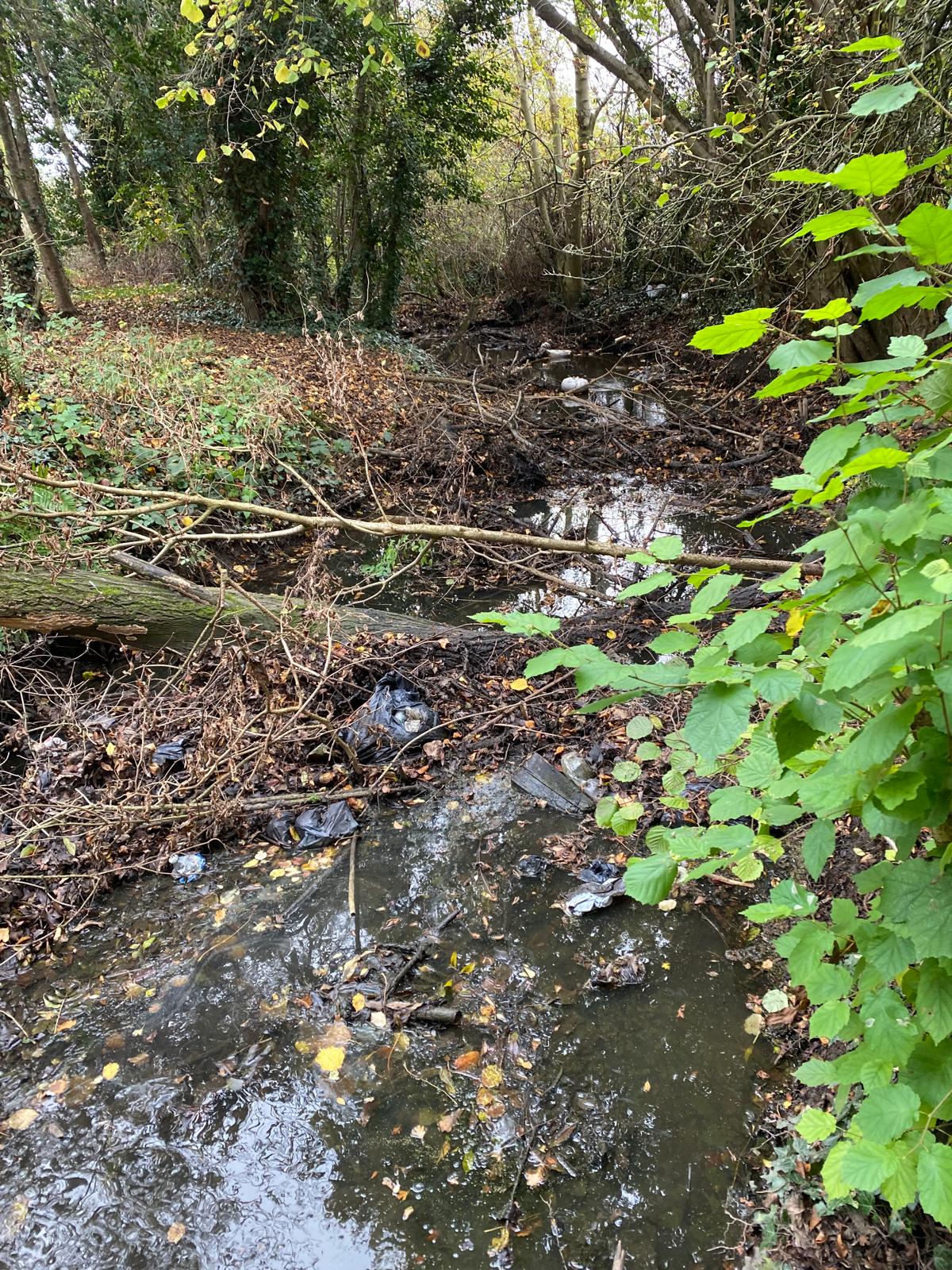
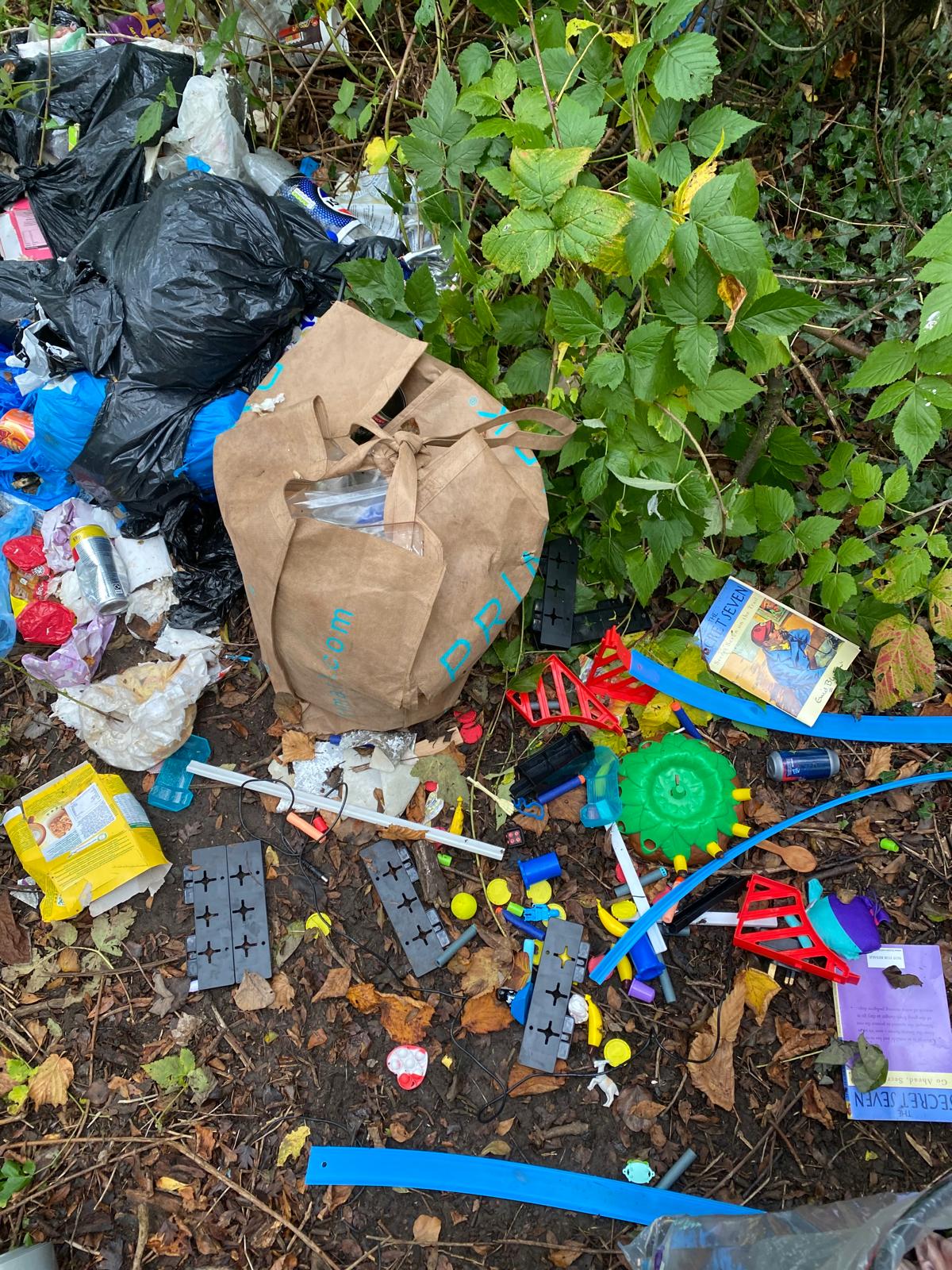
Litter monitoring forms another key component of the project. Volunteers take part in regular litter picks along the Sowe Valley, recording the quantity and type of litter encountered. Data collection follows the Marine Conservation Society’s Source to Sea Litter Quest, highlighting the link between inland litter and the marine environment. With 80% of beach litter originating from inland sources, this work demonstrates how actions in Warwickshire directly contribute to the health of downstream ecosystems and reinforces the importance of responsible environmental stewardship.
The project has strengthened its scientific foundation through partnerships with local universities, providing methodological guidance, joint research opportunities, and support in designing robust, accessible monitoring protocols. Volunteers now contribute to water quality sampling and observational surveys along priority stretches of the Sowe and its tributaries, building understanding of local river conditions and supporting evidence-based action.
The IMPETUS Accelerator has offered valuable mentoring, training, and strategic guidance, helping the project refine engagement approaches, strengthen communication tools, and clarify long-term ambitions. Looking ahead, the project aims to expand monitoring routes, deepen collaboration with community groups, and continue improving accessibility across the Severn Rivers catchment. The initiative seeks to establish a resilient, community-led network that empowers residents to advocate for the health of their rivers and long-term environmental resilience.