
Project Description:
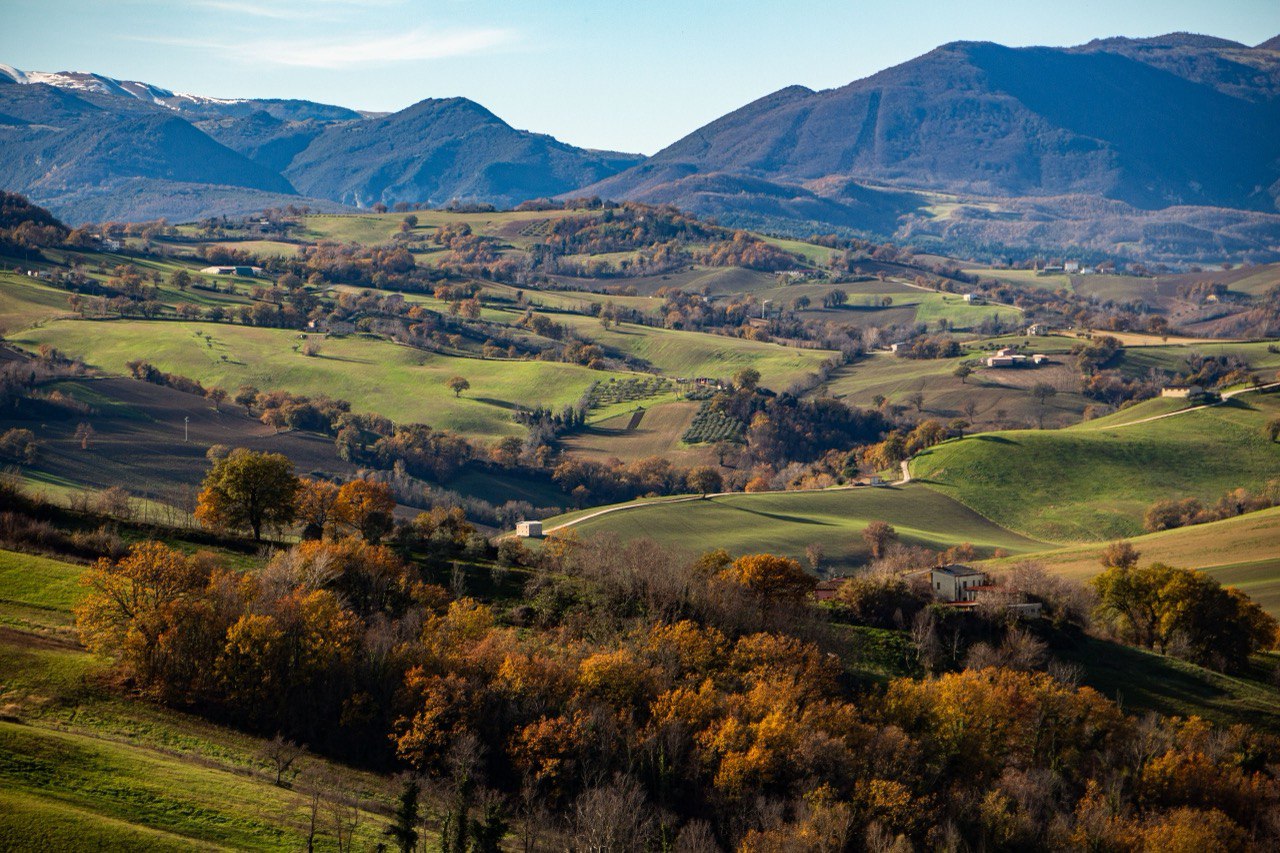
The project initiates a collaborative process in the Fiastra valley (Marche, Italy) to recover abandoned land in marginalised areas through strategic data collection and alliance-building among farmers, vulnerable groups, landowners, and civil servants. The research implements citizen science to gather key data on soil health and map abandoned land, to inform and foster the creation of the first Associazione Fondiaria (AsFo) of the region, as a solution to land fragmentation and abandonment. AsFos consists of voluntary associations of public and private landowners who pool their uncultivated land to manage it collectively, counteracting soil erosion and the loss of community ties. The activities during the Accelerator focus on collecting data and creating a network by working with citizens and stakeholders through participatory practices. These include soil and biodiversity analysis and the mapping of ownership and land fragmentation.
Project Type: Kick Starting
Theme: Resource Management
Mentor: Sasha Woods
Climate Narratives Observatory: Understanding How Spain Talks About Climate Change
“Asfo from the Ground” emerges from the needs of Italy’s marginal rural areas and aims to address several of the challenges these territories face. The project is based in the Fiastra Valley in the Marche region, an area marked by the abandonment of farming activities by small landowners, the subsequent concentration of land ownership, and the expansion of monocultures. These trends have led to declining biodiversity, the disappearance of traditional agricultural products, and reduced access to land for many residents.
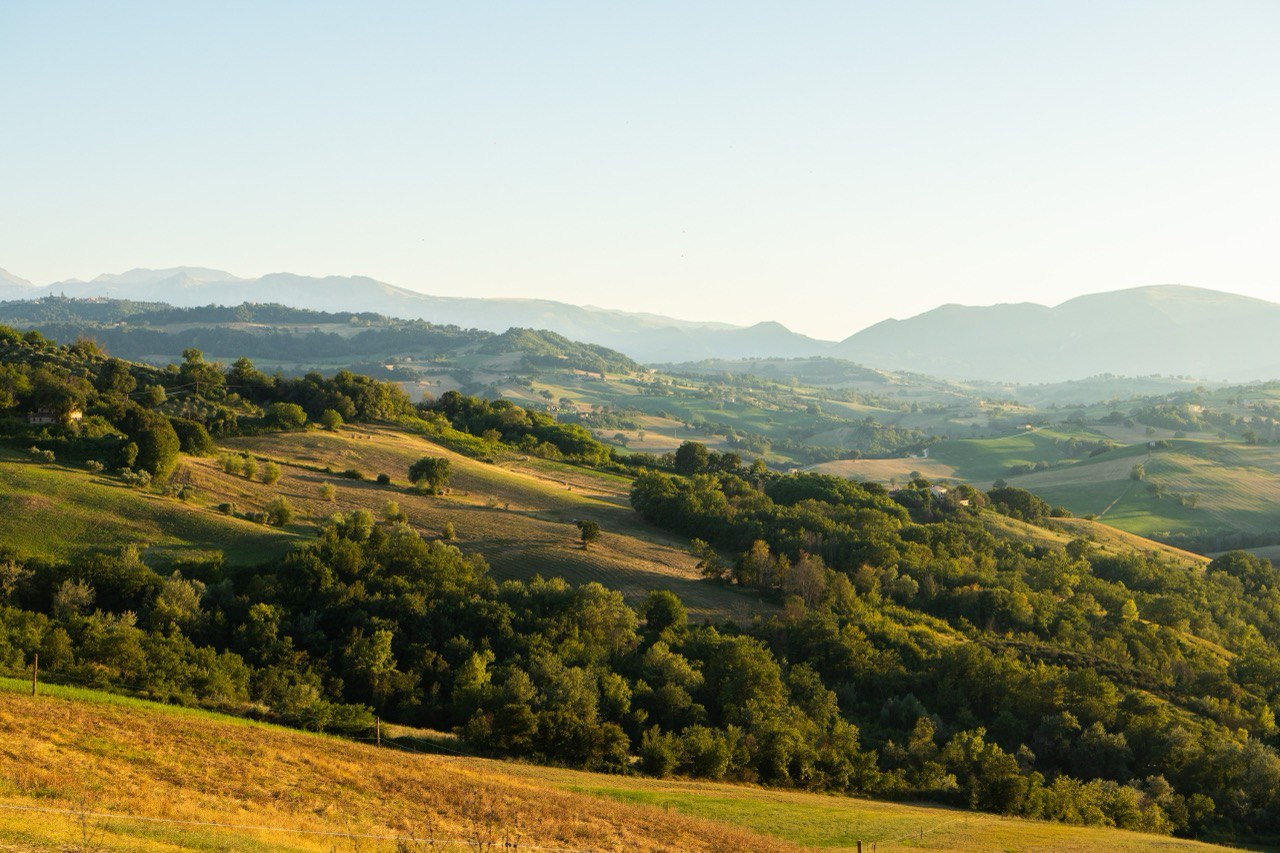
The project focuses on key issues such as land fragmentation and abandonment, the loss of small-scale agricultural practices, demographic decline, and the weakening of community ties. Behind this initiative is a group of friends—an anthropologist, a geographer, an environmental scientist, and a community builder—each strongly connected to the territory, whether by heritage or by choice, and committed to reversing its current trajectory.
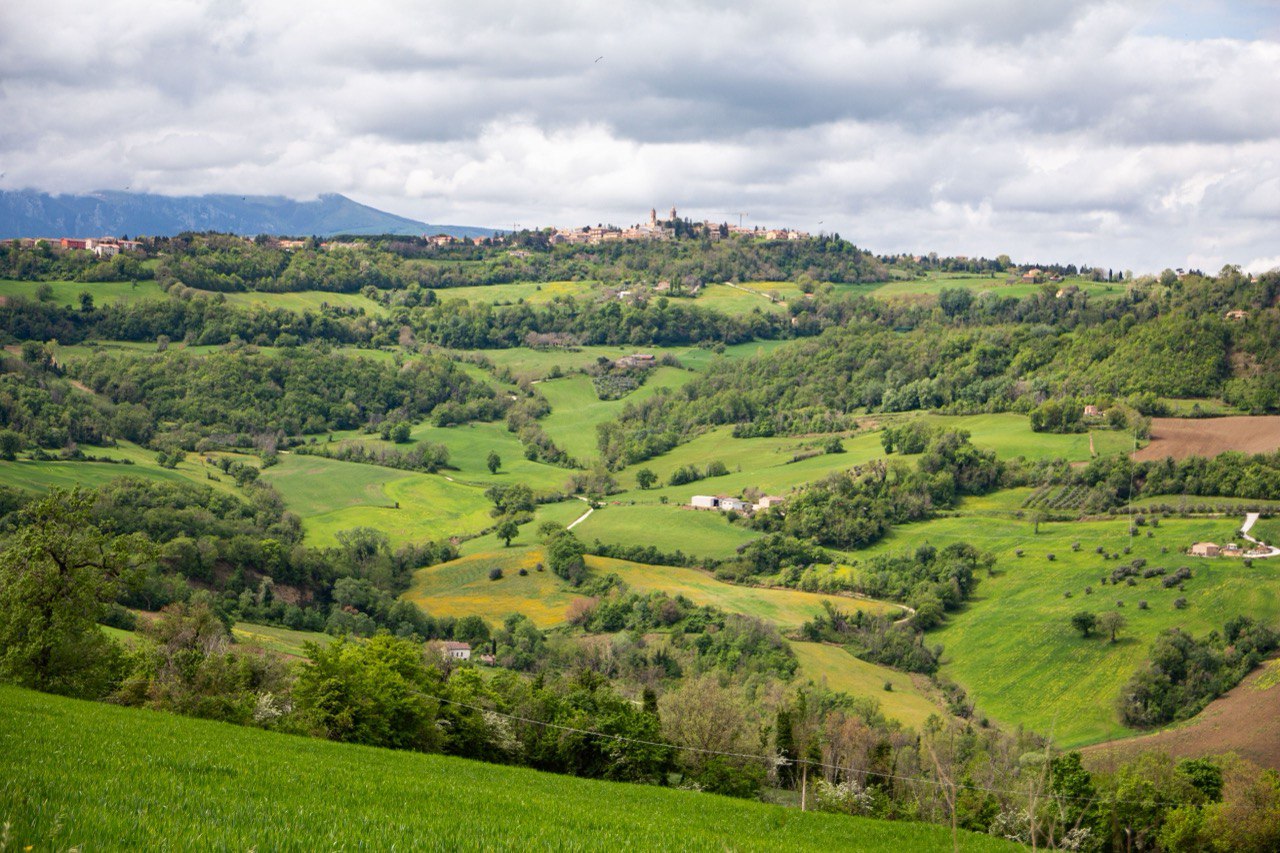
The name AsFo stands for Associazione Fondiaria (Land Association), a regulatory tool in Italy designed to counter the abandonment of rural areas, which become increasingly vulnerable to environmental degradation when left unmanaged. Establishing an AsFo enables collective management of fragmented land by aggregating plots, pooling resources, reducing costs, and enabling the implementation of shared projects.
To ensure inclusion, we reached out to three organisations working with groups at risk of social exclusion: ANFFAS (support for people with disabilities), a CAS centre for people on the move, and Il Faro, which supports victims of gender-based violence. Through a series of meetings, all partners expressed strong interest in the project’s themes and a willingness to participate actively.
During the initial phase, we focused on engaging municipal administrations throughout the valley to understand their readiness to collaborate and to assess the status of local land. The towns of Colmurano and Loro Piceno joined as project partners, each identifying areas of unused public land and private land that had been abandoned for years.
After the summer, we began fieldwork: meeting landowners, conducting site inspections, and continuing discussions with local administrations. We identified 17 plots of land, both public and private, where we held our first training on soil sampling in October. Two agronomists guided a group of 15 participants through the sampling process. The samples were then analysed to assess biodiversity and soil quality.
The results were shared during a second training session focused on understanding soil composition. Finally, a third and final training in January will bring together legal experts to support the formation of an AsFo.
Support from IMPETUS has been essential in helping us structure each phase of the project, identify key stakeholders, and communicate our activities clearly across different formats and to broader audiences. Beyond the project’s formal conclusion, our aim is to continue working with the group of citizen scientists—and any new interested participants—to identify suitable plots of land and explore their potential uses for future socio-ecological projects.
.