
Project Description:
Nature in Our Hands is a community-driven project rooted in the belief that our local outdoor spaces are vital for learning, wellbeing, and nature connection. As development pressures increase, we’re concerned about the future of cherished sites. We also see this as a valuable opportunity to pioneer approaches to outdoor learning that weave in cross-curricular subjects. That’s why we’re working with West Rise School, Sussex Wildlife Trust, Eastbourne Scrap Store, Making Natural History, and researchers from Imperial College London to explore how the marsh is used, valued, and imagined by the community. We’re inviting young people to co-design a survey that captures local memories, current uses, and future hopes for the marsh. This science-meets-art-meets-democracy approach aims to (re-)connect residents with the site and gather a clear mandate for its protection and enhancement. Together, we’re building a shared vision for a space that supports biodiversity, education, and wellbeing —for today and generations to come.
Follow our journey—and tell us how YOU think it should grow!
Project Type: Kickstarter
Theme: Public Trust, Education and Empowerment
Mentor: Jane Prophet
Nature in Our Hands: Supporting Young Minds to Stand Up for Biodiversity
What is the project and who was involved?
Nature in Our Hands is a citizen science initiative that connects young learners with local biodiversity and empowers them to influence decisions through hands-on research and creative engagement. Co-led by Dr Poppy Lakeman Fraser and Karen Makuch from Imperial College London, the project partnered with students aged 6 to 11, their educators and a range of community stakeholders, including the Sussex Wildlife Trust, Eastbourne Scrap Store and Making Natural History.
Why is it important?
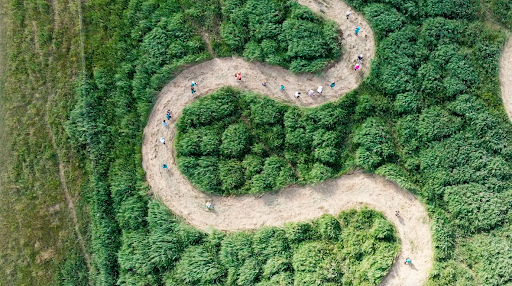
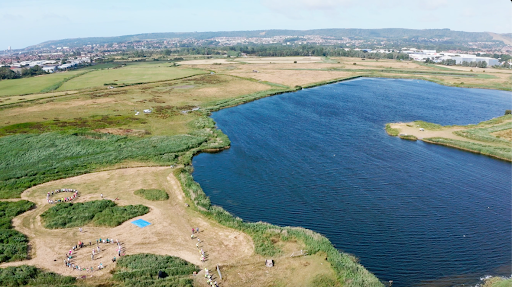
West Rise Marsh in Sussex, UK, is both ecologically and educationally important. It is home to 591 protected species, including the Vulnerable Fen Raft Spider (Dolomedes plantarius), and it provides natural flood resilience for Eastbourne. Despite its value, outdoor education in the area has declined, and the site currently has no legal protection.
Children voiced clear concerns. One Year 3 student explained,
”“We are worried that we will one day lose West Rise Marsh to development. Nature will die if you build houses on the marsh.”
What did we do and where?
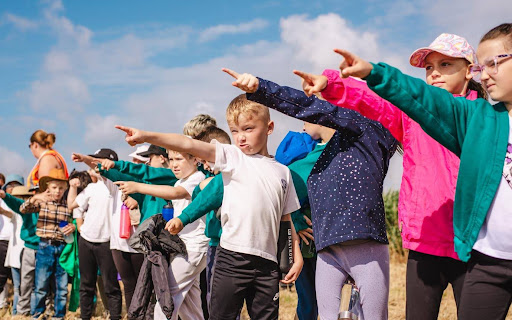
The project began with Spark Species Science Day, an event co-designed by 90 Year 6 students. A total of 527 younger students explored the marsh through activities that combined science, creativity and wellbeing. These included sweep-netting, pollinator monitoring and mindful sketching, all led by specialist educators. A large map displayed 328 artworks of marsh species such as Italian rye grass, lady’s bedstraw and strawberry clover.
A school Nature Team was then created. From 130 applicants, 16 students were selected through a two-stage process designed to assess passion and ensure inclusivity. Their first activity was contributing to a new iNaturalist Collection Project, producing 45 observations and identifying 27 species. They later co-created a citizen science survey that highlighted appreciation for the marsh’s tranquillity and suggested improvements such as wildlife shelters, year-round footpath access and educational signage. These results were shared with local decision-makers and on the project’s social media channels.
Impact
On individuals:
Ninety-five percent of students reported that they enjoyed learning outdoors and many encouraged their families to visit the marsh. They valued time away from screens. Respondents rated youth involvement in citizen science and marsh stewardship at 4 out of 5 stars.
On education:
Students presented their findings to Elizabeth Funge, Assistant Director for Education in East Sussex. The headteacher commented, “Nature in Our Hands has really brought my vision for our school to life.”
On biodiversity recording:
Baseline biological data was collected through the Biological Records Centre and iNaturalist.

On policy:
Students shared their work with Lord Lucas of the UK Parliament’s Science and Technology Select Committee. Project partners highlighted youth voices in environmental decision-making at a parliamentary workshop.
On funding:
A six-year-old Nature Team member pitched project ideas at a Neighbourhood Board meeting and secured the highest number of votes for a community science festival.
What did IMPETUS provide and what did we learn?
IMPETUS provided funding, strategic guidance and networking opportunities. This support enabled the team to build a growing movement that promotes citizen science and access to nature within the school, the wider community, and internationally.
What’s next?
Plans for the future include hosting a spring festival, applying for funding to implement improvements at the marsh, continuing to support new cohorts of Nature Team members, integrating activities into the school curriculum and expanding the model internationally.
Nature in Our Hands demonstrates that citizen science and environmental stewardship are powerful experiences that build scientific literacy, creativity, agency and community resilience.