
Project Description:
This project aims to engage people with intellectual disabilities in biodiversity-focused citizen science by designing and testing inclusive tools and protocols. Using the wild rabbit paradox as a case study of human-wildlife conflict, the project will be run from June 2025 to January 2026 in Córdoba and Ciudad Real, Spain. It will involve co-design workshops with participants, training sessions, data collection by direct and indirect methods, such as camera traps, and participatory analysis. It seeks to promote social inclusion, generate conservation-relevant data, and foster critical dialogue among stakeholders, including farmers, hunters, and environmental managers. It contributes to the field of CS by addressing accessibility barriers and incorporating underrepresented voices into ecological research and decision-making.
Project Type: Kickstarting
Theme: Inclusion
Mentor: Karen Soacha
Wild-In: Inclusive Citizen Science for Biodiversity and Community Empowerment
The Wild-In project was created at the Universidad de Córdoba with a clear purpose: to involve people with functional diversity in a citizen science initiative, strengthen their connection with nature, and support biodiversity conservation. In collaboration with the Universidad de Castilla-La Mancha (UCLM) and the Institute for Research in Hunting Resources (IREC), the project is being implemented between June 2025 and January 2026 across the provinces of Córdoba and Ciudad Real in Spain. The associations Down Ciudad Real-Caminar, Autrade, Laborvalía, and Maximes are essential partners, helping engage people with functional diversity, their families, and volunteers.
The project focuses on the socio-ecological conflict between the wild rabbit and agricultural areas. Although rabbit populations are declining in natural ecosystems, they appear to be increasing in certain agricultural landscapes such as vineyards, where they cause significant damage and economic losses. This conflict affects many farmers and highlights the need for dialogue between science, local communities, and land management stakeholders to identify balanced solutions.
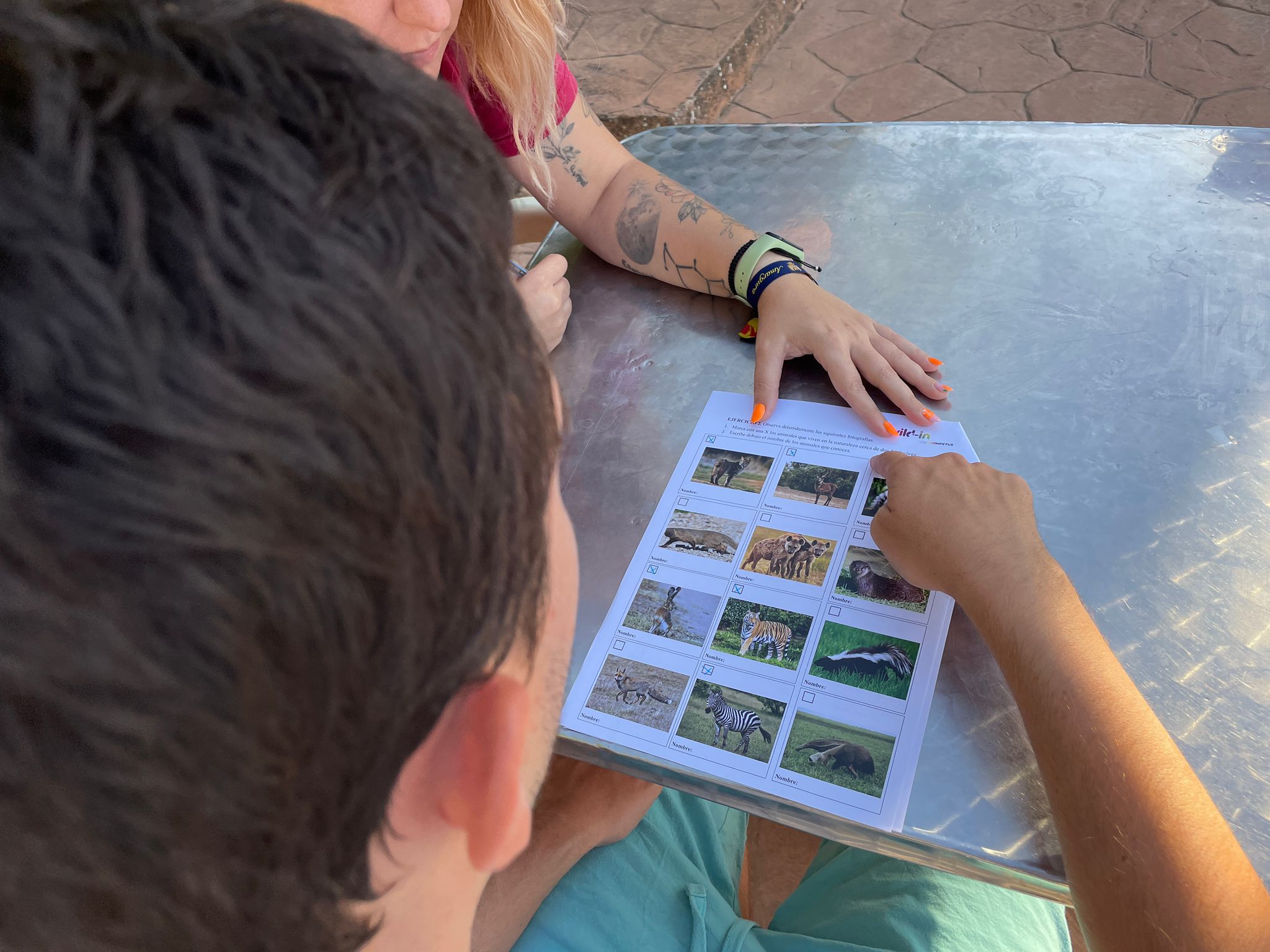
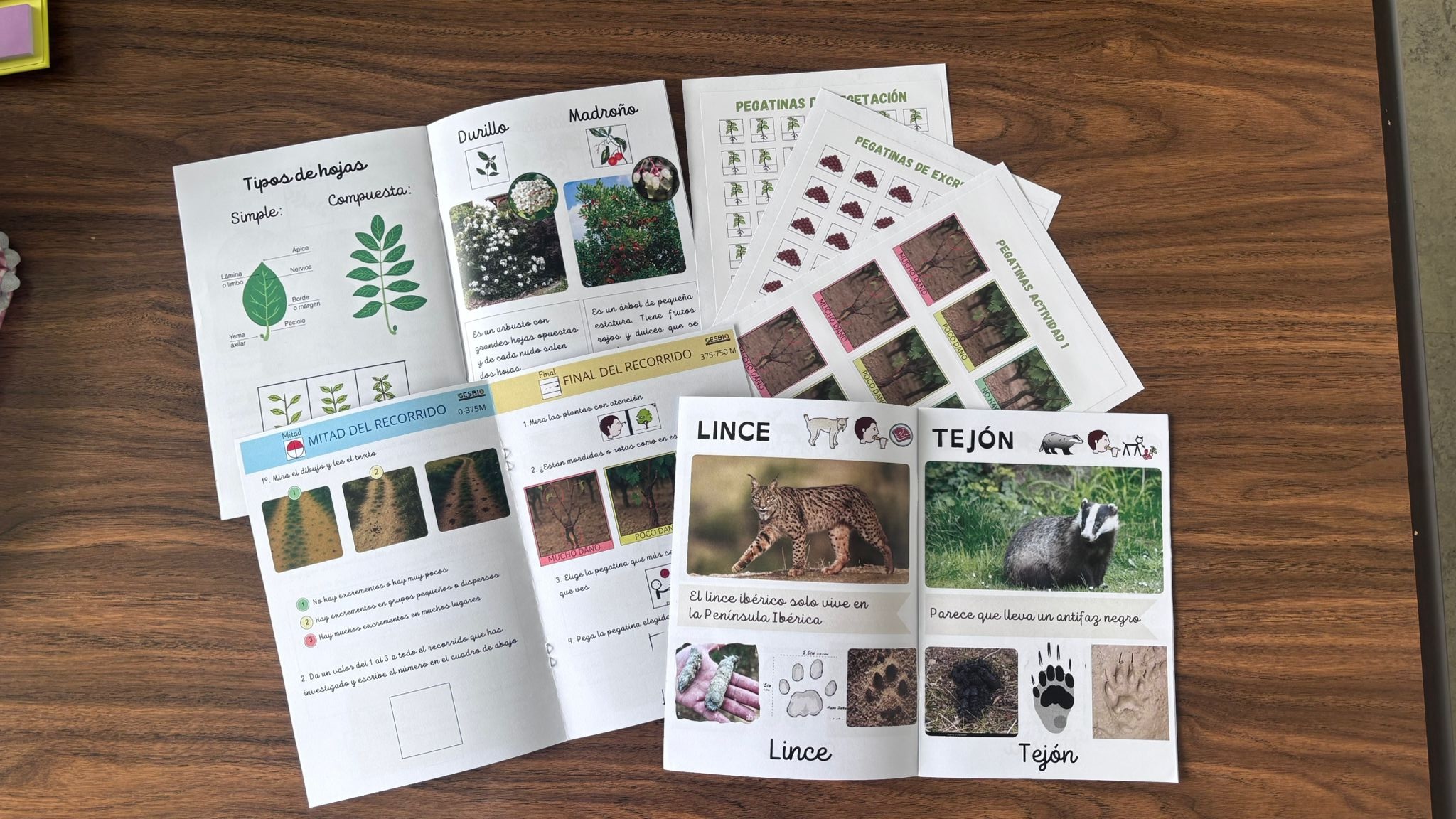
Within this context, the involvement of people with functional diversity offers new perspectives. Their participation shows that inclusion strengthens scientific understanding and enriches the search for innovative responses to environmental challenges. Wild-In applies a participatory, co-creative methodology through workshops where participants help design data-collection booklets, flora and fauna guides, and biodiversity literacy questionnaires. These materials are adapted and personalised to ensure that every participant can fully engage with the project.
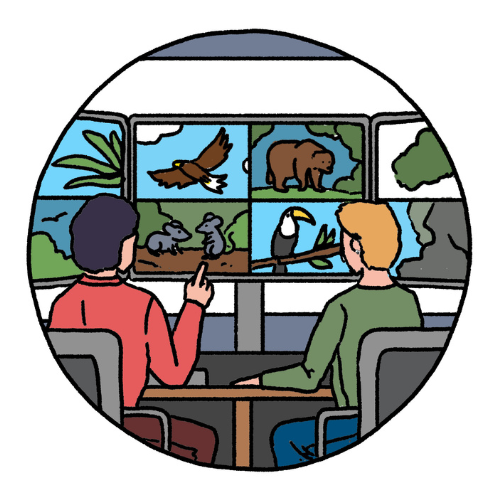
Training sessions on biodiversity, citizen science, and inclusion take place throughout the project. In these sessions, participants collaborate closely with the research team. The work continues during field activities where groups install camera traps, identify latrines, record signs of rabbit damage, and examine vegetation cover in order to better understand the relationship between wild rabbits and crops.
Beyond gathering scientific data, Wild-In creates a meaningful experience of inclusion. Participants gain self-confidence and realise that their contributions have real scientific value. Using the Universal Design for Learning (UDL) framework, the project removes barriers to participation and shows that science can be accessible to everyone. This approach turns participants into active citizen scientists who generate relevant knowledge that benefits their communities and natural surroundings.
Support from the IMPETUS Accelerator has been essential. The project team has received continuous training, technical guidance, and resources that strengthened their skills and expanded their reach. This support made it possible to design inclusive tools, accessible protocols, and open educational materials that can serve as models for future inclusive citizen science initiatives.
Looking ahead, Wild-In aims to become a replicable reference in environmental education and public engagement. Its methods and materials can be adapted for use in schools, associations, and other organisations that wish to promote environmental awareness, social inclusion, and community participation. Wild-In shows that citizen science is not only a method for collecting data. It is also a way to share stories of inclusion and to plant seeds of hope for a more equitable and sustainable future.