
Project Description:
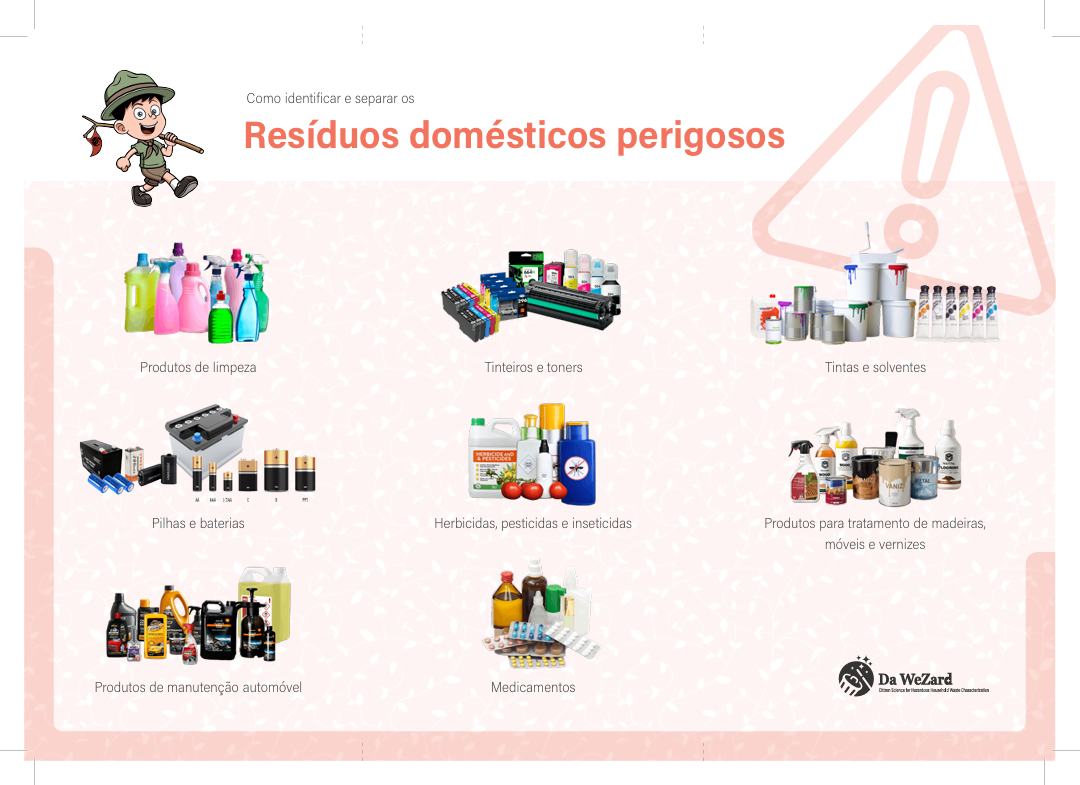
In Portugal, the data and production patterns on hazardous household waste (HHW) are scarce. Some HHW are managed by Producer Responsibility Organisations (PROs), but most are not managed effectively and are disposed of as residual waste. This poses a threat to personnel working at waste facilities and to the environment by polluting air, soil, and water. Data on the amount and type of HHW is necessary to manage it effectively and identify solutions to prevent their generation and promote recycling. The Da WeZard (Da: Data; We: Citizen, collaborative, inclusive; Zard: haZARDous waste) project aims, through Citizen Science (Scouts), to quantify/monitor HHW and co-construct HHW municipal management plans. The project aims to increase scientific and social activities that engage citizens, enabling active participation in waste management planning to reduce pollution and increase prevention and recycling, delivering community-wide benefits.
Project Type: Kickstarter
Theme: Resource Management
Mentor: Rachel Pateman
Da WeZard: Mobilising Citizens to Map Hazardous Household Waste
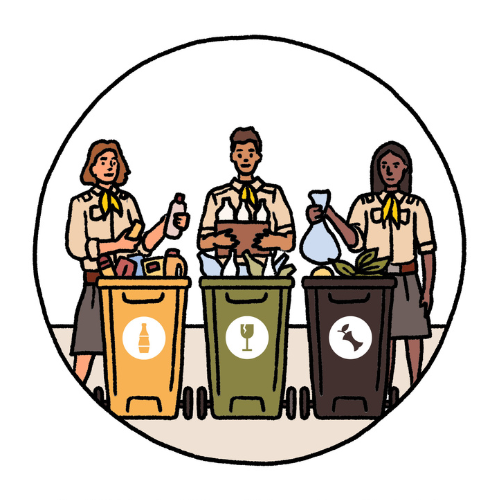
Da WeZard – Citizen Science for Hazardous Household Waste (HHW) Characterisation is a citizen science initiative promoted by DIMERA in collaboration with the Municipality of Leiria, Valorlis, NOVA University of Lisbon, the Polytechnic Institute of Leiria, and the Portuguese Scout Corps (CNE) in the Leiria–Fátima Region. The project aims to create the first open-source dataset of hazardous household waste in the region to inform scientific research and support a municipal waste management plan.
What we did and where we worked
The Da WeZard project was designed using a scientific approach. Together with academic partners, DIMERA developed a practical protocol that allows citizens to identify and classify hazardous household waste in their own homes. To build a strong community of contributors, more than twenty Scout Groups in the Leiria region were invited to participate as citizen scientists. Through the project website, scouts accessed the protocol and submitted their findings. So far, more than 150 forms have been completed.
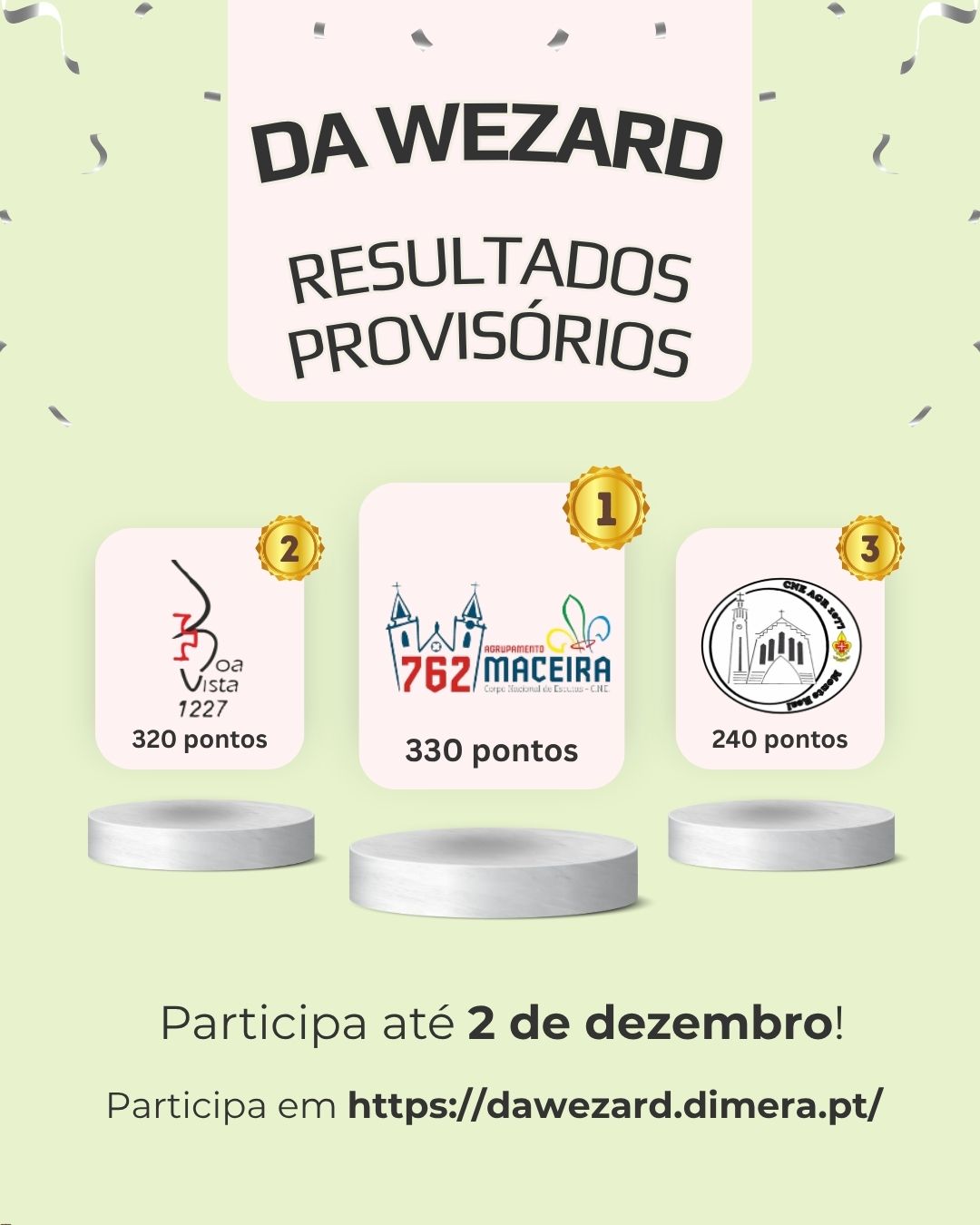
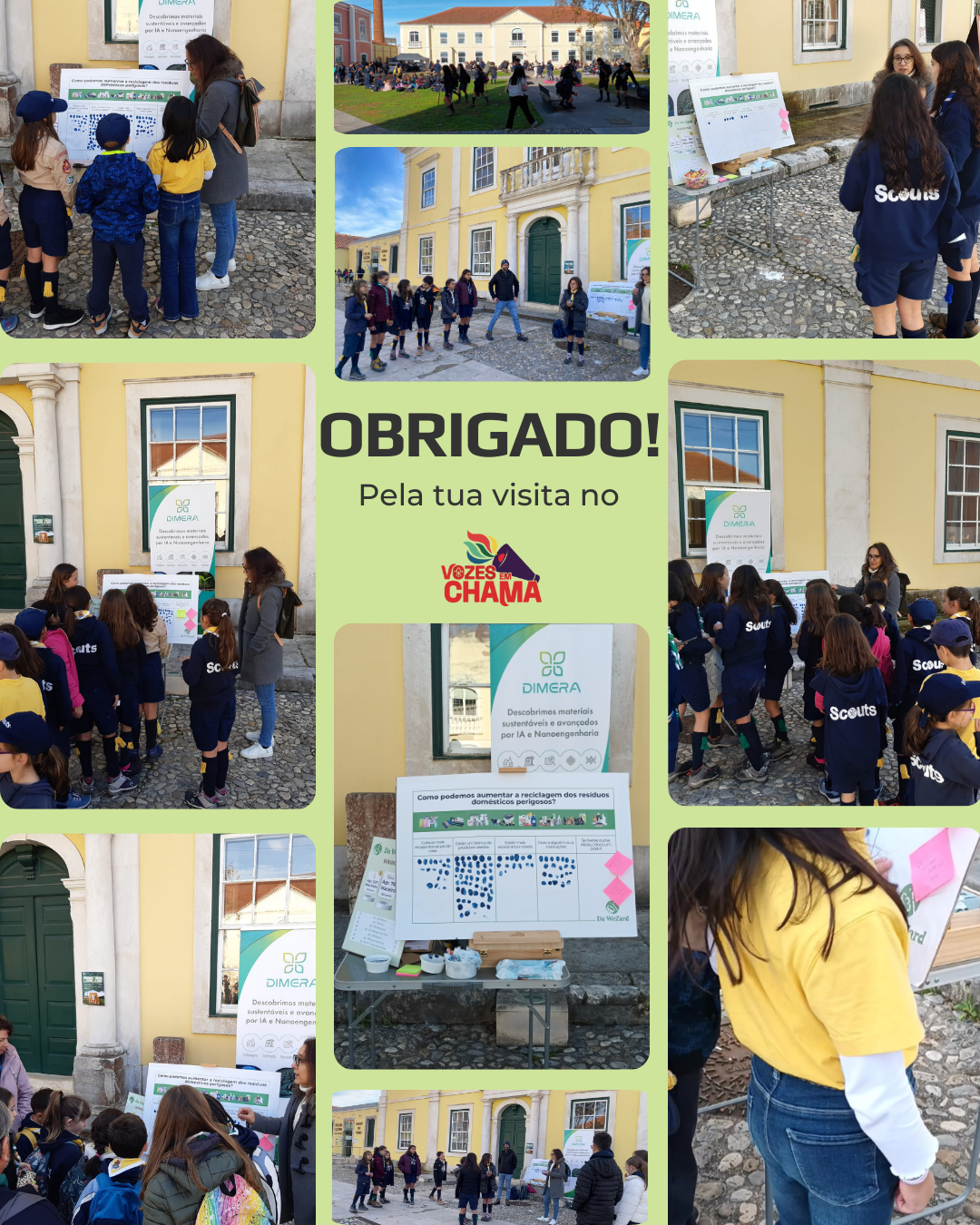
To strengthen motivation, the project incorporated gamified elements and public recognition, including featuring the scout team with the highest number of submissions in a local newspaper. DIMERA also took part in the regional CNE forum “Vozes em Chama,” which brought together all local scout groups. During the event, a pre-agora session was organised to begin co-creating a municipal HHW management plan for Leiria. This participatory process will continue in two upcoming agoras.
Why it matters
In Portugal, data on hazardous household waste is scarce. While some waste streams are managed through producer responsibility systems, a significant portion still ends up in mixed residual waste. This exposes waste workers to unnecessary risks and contributes to soil, water and air pollution.
Da WeZard addresses these gaps by combining scientific rigour with active public participation. The project aims to:
• quantify types of hazardous household waste and current disposal practices
• increase citizen involvement in scientific research
• raise awareness of the risks associated with improper HHW disposal
• develop a proposal for a municipal HHW management plan
By involving citizens, the initiative improves environmental literacy, promotes better waste separation habits, and encourages dialogue with local authorities. It generates environmental, political, social and scientific impact and contributes to more circular and safer waste management practices. The project also aligns with Sustainable Development Goal 12, particularly Indicator 12.4.2.
What IMPETUS provided
Support from the IMPETUS programme was essential. Funding, mentorship, and increased visibility at regional and European levels enabled Da WeZard to be implemented and grow into a strong, community-based scientific initiative.
” “Seeing the scouts so committed to this challenge shows that anyone can help to turn the problem of hazardous waste into a collective solution.”
As the project coordination team at DIMERA noted.
What comes next
Looking ahead, Da WeZard plans to expand to other municipalities and involve a wider range of citizens, including school communities. In the medium term, the project aims to apply its methodology in additional EU countries. Within five years, the goal is to build a substantial open dataset that can guide evidence-based waste management policies and support scientific research in environmental science, behavioural studies and waste systems.