
Project Description:
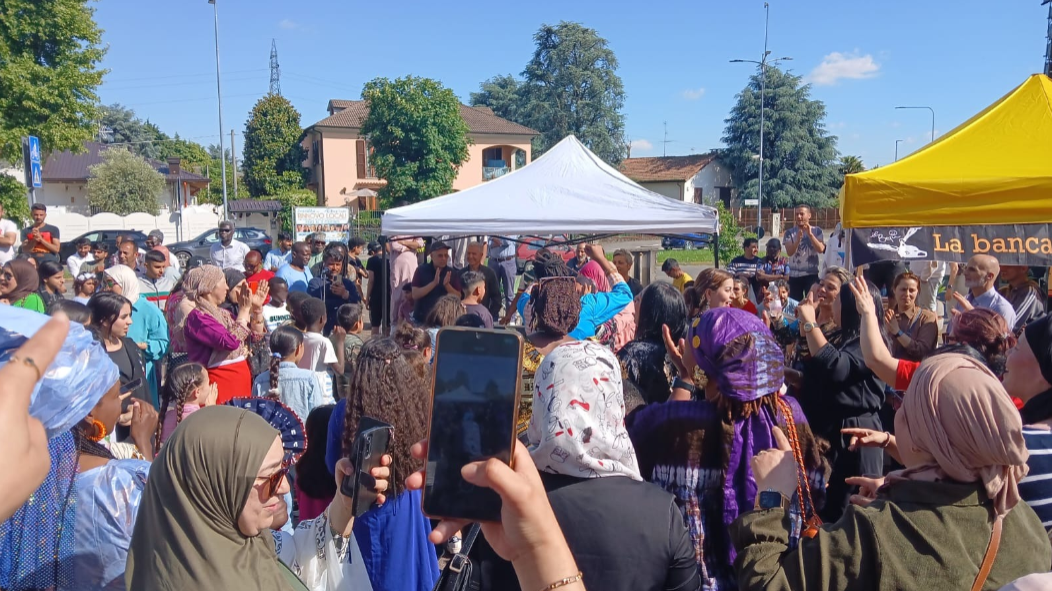
MƗẊɄFȦB investigates if and how migrant-led entrepreneurship can foster bottom-up local policymaking through collaborative space creation. We intend to open an urban lab that empowers citizen scientists to gather, co-analyse, and derive value from socio-economic, political, and urban data. This will serve as a multi-community environment for policy advocacy and regenerative initiatives grounded in evidence-based insights collected through CS approaches. Currently engaging established migrant associations across Lombardy – including the area of Zingonia, Lodi and Brescia – we intend to extend the Citizens scientists network to other local communities, in order to co-develop and co-implement valuable activities for the entire citizenship. Together with citizen scientists, we will actively engage community members and migrant entrepreneurs and co-create policy proposals with local stakeholders to advance self-advocacy and inclusive governance frameworks. The urban lab aims to be an environment where community engagement, policy advocacy, and business development can find fertile ground for symbiotic growth, testing migrant-led community entrepreneurial spaces both as a medium and an aim for a more inclusive and regenerative society through bottom-up approaches.
Project Type: Kickstarter
Theme: Public Trust, Education and Empowerment
Mentor: Louise Francis

MƗẊɄFȦB: Migrant Citizen Scientists and the Urban Economy
Walking through Italian cities, we often overlook the fact that one in ten residents was born abroad. Today, over 2.4 million migrants are part of the national workforce, and increasingly, they are not only workers but also entrepreneurs.
Over the past decade, migrant-led businesses have grown by 33 %, creating a widespread everyday economy of restaurants, shops, services, and workshops.
But what is their real social, urban, and economic impact? How do they reshape neighbourhoods and relationships?
These questions gave rise to MƗẊɄFȦB: Migrant Citizen Scientists in an Urban Farmhub.
From research subjects to knowledge producers
MƗẊɄFȦB is grounded in one simple principle: migrants are not only people with needs; they are knowledge producers.
Their lived experiences offer valuable insights into economic, social, and urban dynamics that are often invisible to academic research alone. Through citizen science, MƗẊɄFȦB created an Urban Farmhub where this knowledge could be recognised, organised, and transformed into evidence to inform public policy.
Becoming Citizen Scientists
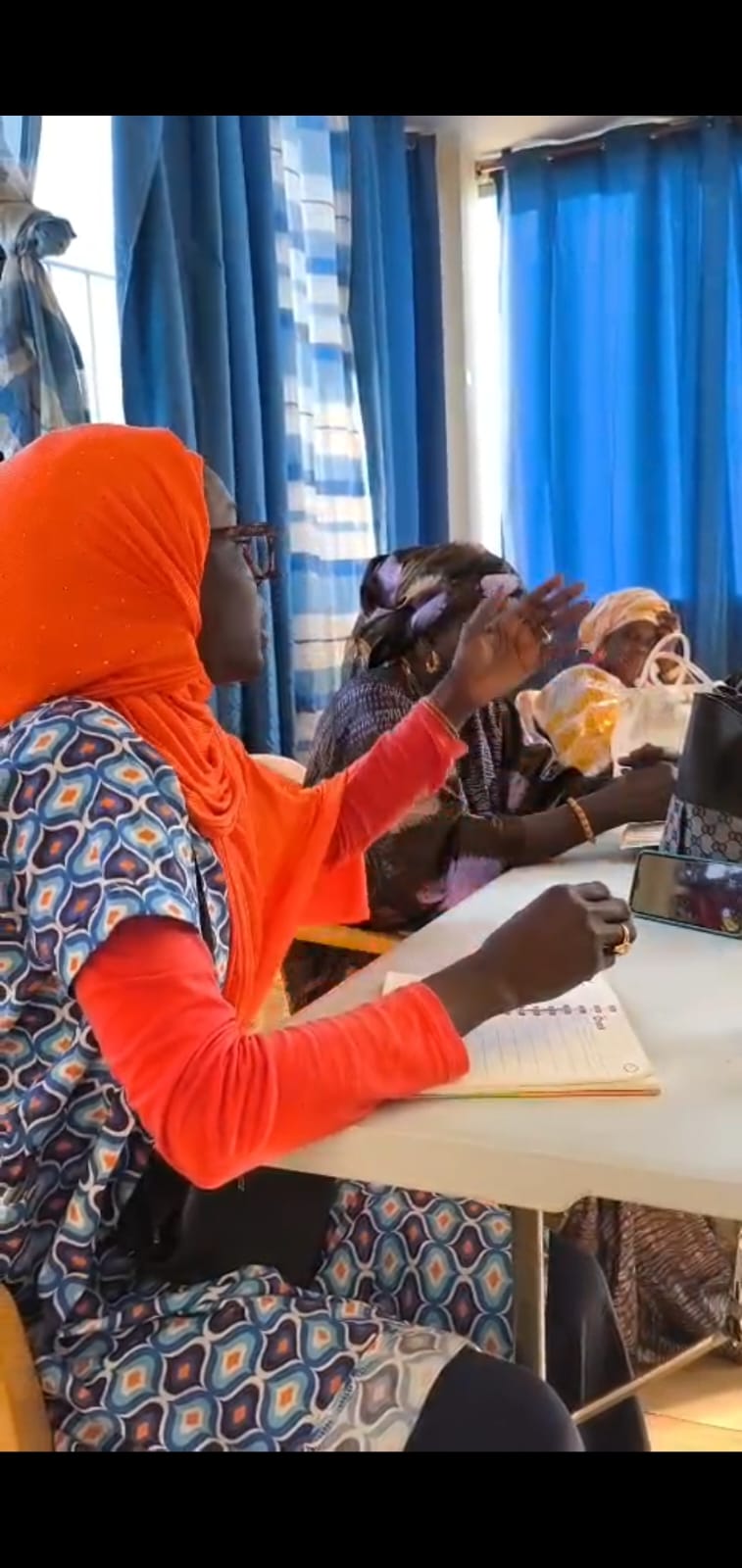
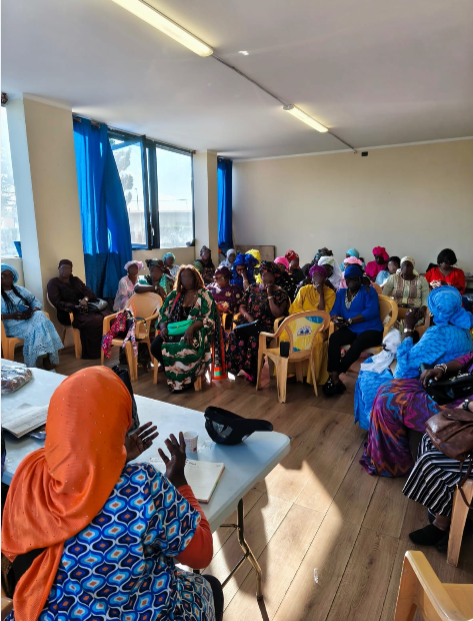
In its first phase, the project brought together 15 Citizen Scientists, mainly from first- and second-generation Senegalese communities. Through training and hands-on activities, participants learned the basics of citizen science and social research and began mapping migrant-led businesses in their neighbourhoods.
From this work, three key questions emerged: How is a business born? What role do cultural values play? What enables or hinders entrepreneurial pathways? The group developed surveys and conducted interviews with entrepreneurs, stakeholders, and policymakers, and participated in public events such as the Entrepreneurship and Housing Forum in Mariano Comense and Work Beyond Borders in Verona.
A turning point in the project, however, occurred outside the training room.
Trento, MUSE, and the redefinition of knowledge spaces
On 14 December 2025, six Citizen Scientists from Senegal and Togo took part in the Citizen Science Fair at MUSE, the Science Museum of Trento.
”“When you go to a museum, you don’t see Africans.”
From the museum’s upper floors, one observation stood out.
Even before the first interview, a reflection emerged on who is present and who is absent in knowledge spaces.
Working in pairs with expert researchers, the Citizen Scientists conducted real interviews with visitors. Initial hesitation quickly gave way to confidence, revealing different strengths. Some led conversations, others observed closely, while others shaped the collective analysis. The experience showed that citizen science is not about everyone doing the same thing, but about creating space for different ways of contributing to knowledge.
When roles are reversed
MƗẊɄFȦB was the only social science project at the fair. While other stands focused on numbers and measurements, this one was built on conversations, stories, and questions.
The interviews went beyond data collection. When Citizen Scientists asked visitors what they thought about a Senegalese person opening a business in Italy, they opened a real dialogue. These conversations were sometimes uncomfortable, but often revealing.
”“Why don’t you open a business in Senegal?”, then paused and added, “When Italians go abroad, we call ourselves expats. Here, you are migrants.”
One visitor said.
These exchanges were not neutral. By bringing their own experiences into the conversations, Citizen Scientists created space for learning on both sides. Many visitors said it was the first time they had reflected on migrant entrepreneurship, suddenly seeing everyday places in a new social and political light.
Beyond the data
One participant shared that she had lost three clients to attend the event in Trento, a real economic cost. It was also her first time visiting a museum. At the end of the day, she said she would return with her children.
Perhaps one of MƗẊɄFȦB’s most important lessons lies here. It is found not only in surveys or interviews, but in small transformations: growing confidence, finding one’s voice, deciding to return to a museum, and recognising that “these spaces are also ours.”
In this sense, MƗẊɄFȦB reveals a deeper dimension of citizen science. It not only democratises science, but also transforms those who practise it as they practise it.