
Project Description:
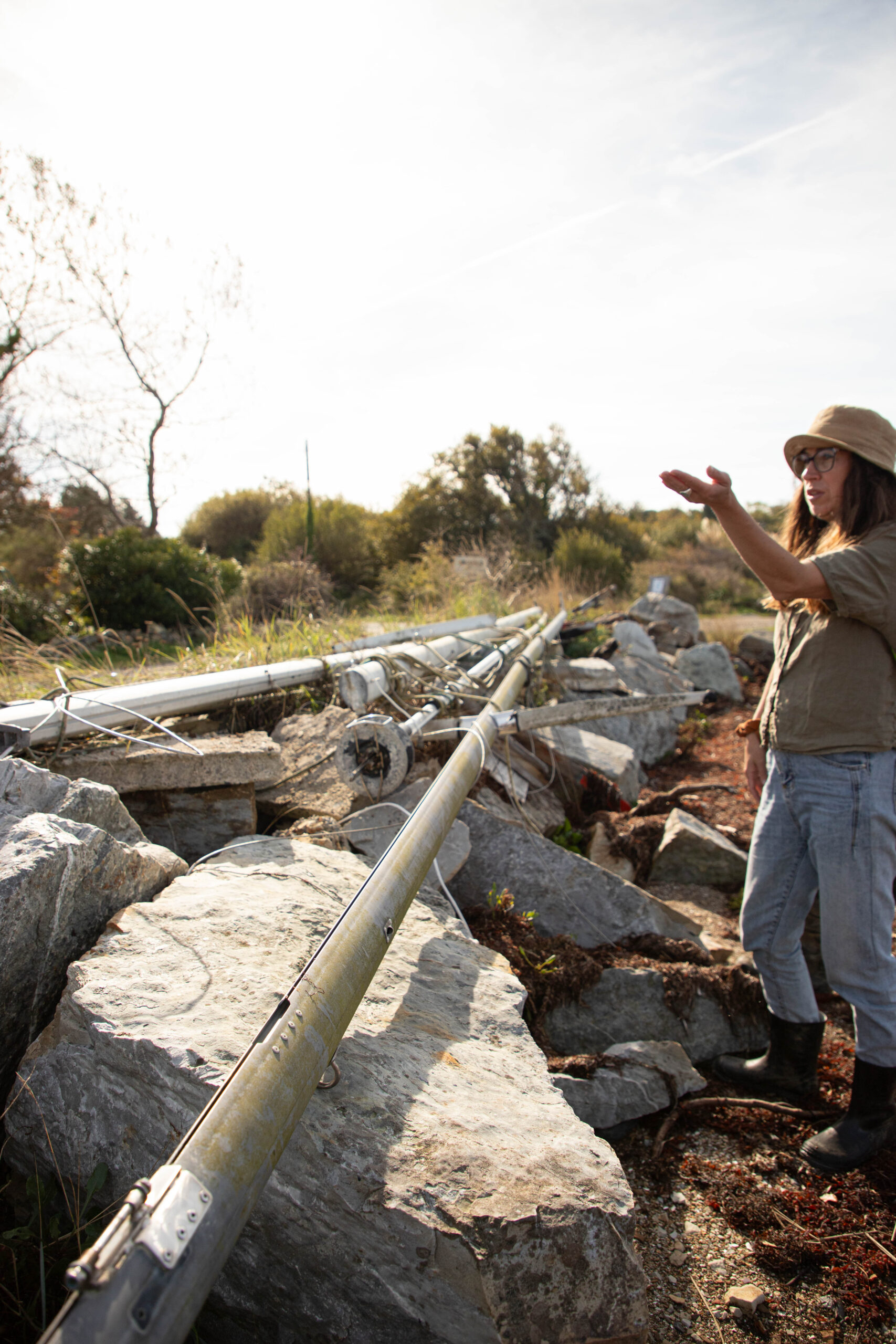
Regenerative Tides: Sailing for Solutions (ReTISS) is a multidisciplinary citizen science initiative combining research, storytelling, and community engagement to address the environmental and health impacts of abandoned fibreglass (GRP) boats. We aim to empower coastal communities to actively participate in data collection, environmental education, and advocacy, driving sustainable waste management and regenerative design in the marine industry. We engage coastal communities in mapping, monitoring, and addressing the environmental impacts of abandoned fibreglass boats through data collection, advocacy, and storytelling. The initiative seeks to drive solutions for sustainable waste management and regenerative design in the marine industry. Currently, there is a critical lack of data on the extent of fibreglass contamination, making it difficult to assess the full impact on marine ecosystems and human health. The project has the potential to uncover a massive contamination issue — one that could affect the seafood we consume, as microfiberglass particles enter the marine food chain through shellfish and other aquatic organisms.
Project Type: Kickstarter
Theme: Public Trust, Education and Empowerment
Mentor: Jane Prophet
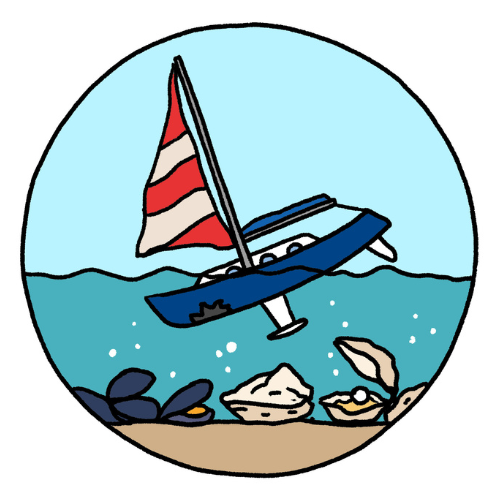
Regenerative Tides: Mapping the Hidden Legacy of Abandoned Fibreglass Boats
Regenerative Tides: Sailing for Solutions (ReTISS) is a citizen science and creative research project developed by the Floating Stories Lab Association. The project brings together citizen scientists, students, creatives, sailors, researchers, and coastal communities to investigate a largely overlooked source of marine pollution: abandoned and end-of-life fibreglass boats.
Over the past seventy years, fibreglass, also known as glass-reinforced plastic (GRP), has become the dominant material for recreational and small commercial vessels. Durable and low-maintenance, these boats often outlive their intended lifespan. When abandoned, they slowly degrade and release fibreglass particles into coastal environments, often in marinas, estuaries, and shellfish-producing waters. Despite growing scientific concern, this issue remains poorly documented at the ground level.
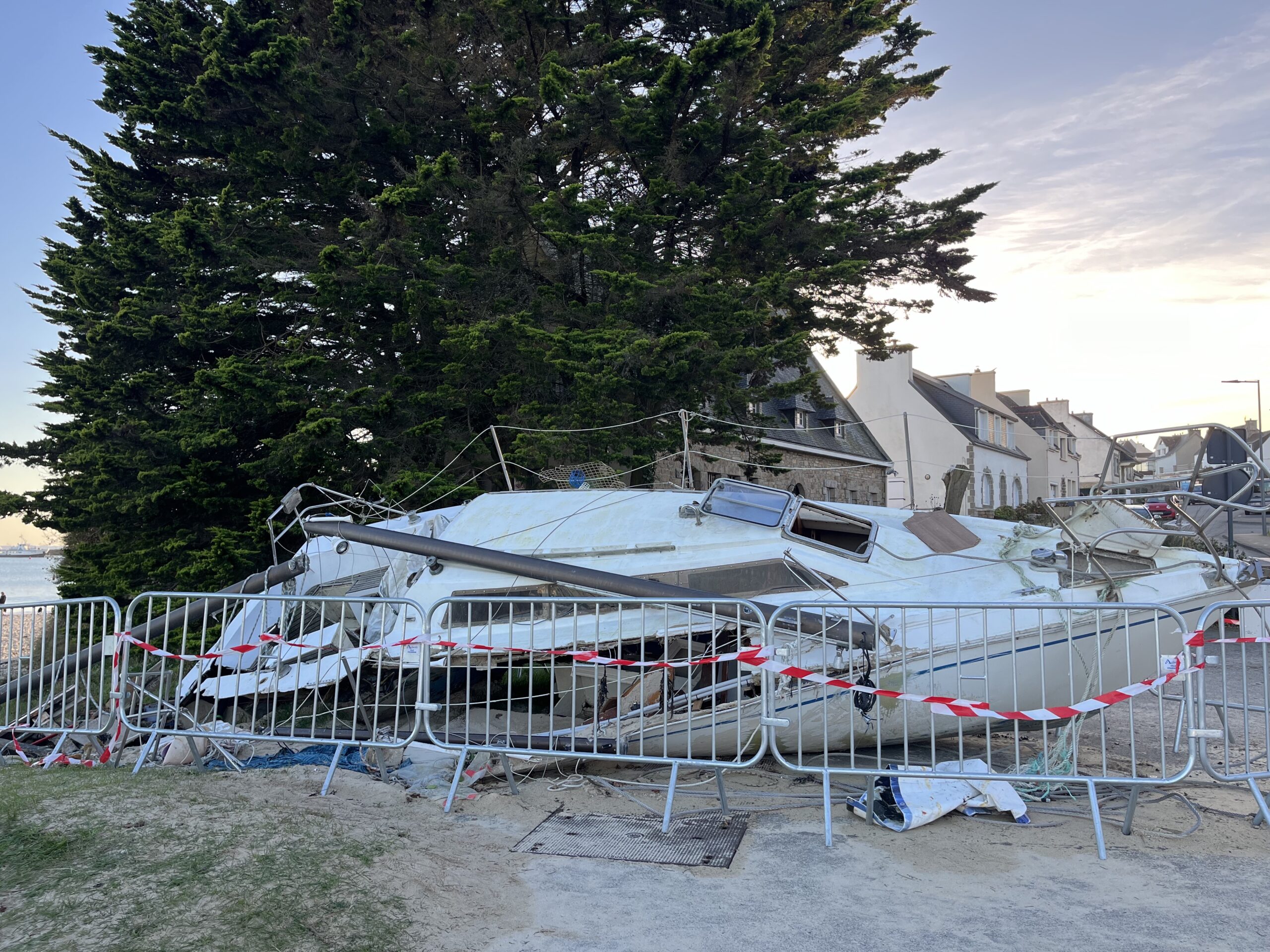
During the IMPETUS Accelerator programme, Regenerative Tides piloted a citizen-led approach to make this problem visible. Working across coastal sites in France, the United Kingdom, and Portugal, participants documented abandoned or derelict vessels using an open digital survey and mapping tools. In total, 77 georeferenced observations were collected, combining photographs, location data, vessel typologies, and environmental context. The resulting dataset was made publicly accessible through an interactive online map, enabling both citizens and stakeholders to explore the scale and distribution of the issue.
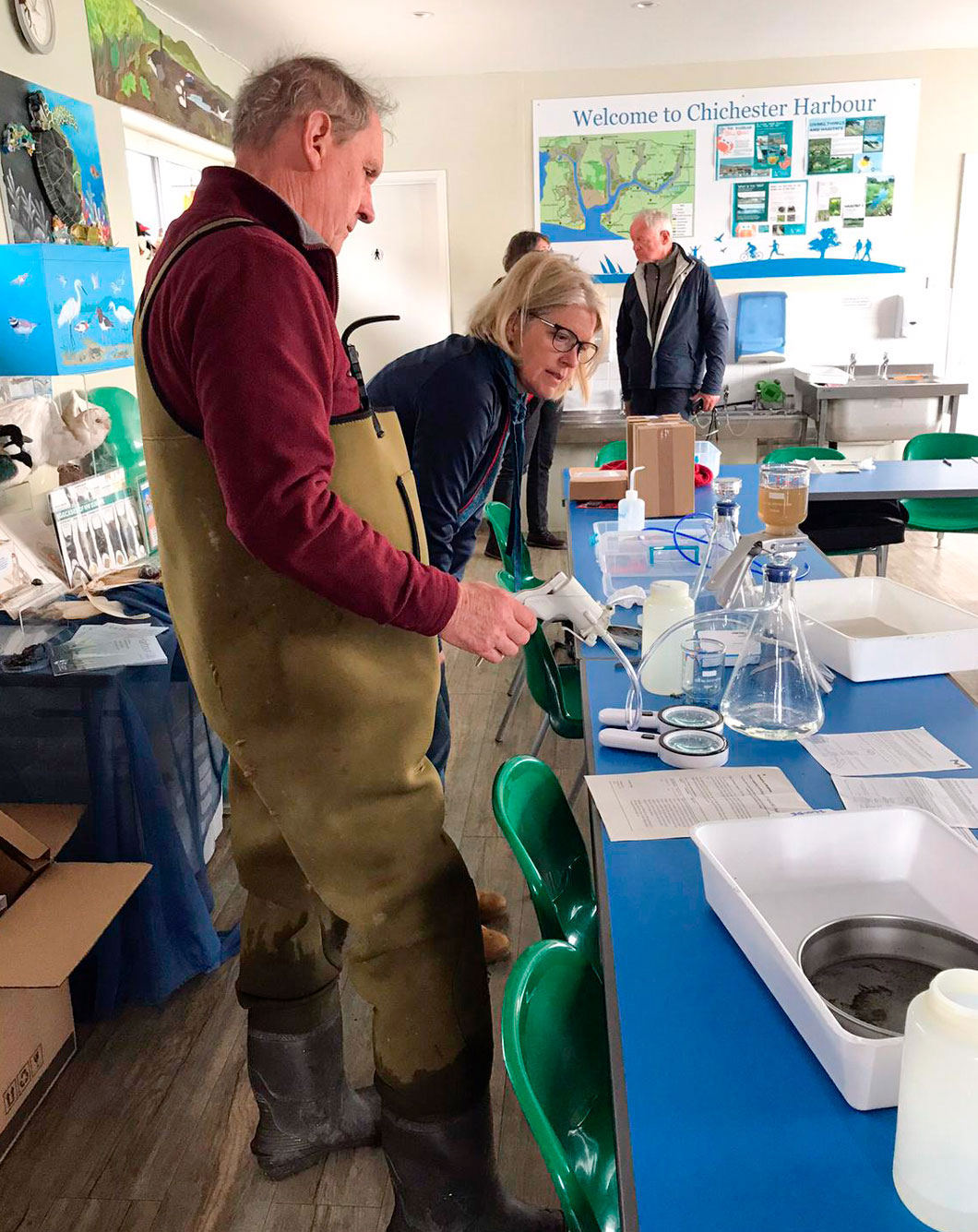
Education and participation were central to the project. School-based laboratory and field workshops introduced students to microscopy, environmental observation, and citizen science methods, linking local coastal sites to broader questions about marine pollution and food systems. Creative practitioners helped translate scientific concepts into accessible stories, images, and public discussions, ensuring that the data did not remain abstract or overly technical.
Participation in the IMPETUS Accelerator provided essential support during this exploratory phase. Through training, mentoring, and peer exchange, the project team refined its citizen science methodology, strengthened its impact assessment approach, and gained practical tools for responsible data collection, openness, and engagement. The programme also created space to reflect critically on what early-stage impact can look like, with a focus on awareness, learning, and dialogue rather than immediate policy change or remediation.
Looking ahead, Regenerative Tides aims to build on this foundation by expanding data collection, strengthening collaborations with researchers and coastal authorities, and contributing citizen-generated evidence to discussions on end-of-life boat management and marine pollution. By combining science, creativity, and community participation, the project demonstrates how citizen science can surface hidden environmental challenges and open new pathways for collective understanding and action.