
Project Description:
This project aims to scale up the successful methods developed in Thessaloniki, Greece, during the Acting4DHH initiative (IMPETUS Accelerator 2024). Three Deaf and Hard-of-Hearing (DHH) communities from Poland, Slovakia, and Ukraine will take part in a citizen social science (CSS) action to strengthen social well-being within DHH communities across Europe. The project begins with a meeting in Thessaloniki, where the Association of the Deaf of Northern Greece (EKVE) will share lessons from the original Acting4DHH project. By bringing together diverse, transnational groups, Acting4DHH II will generate new insights into inclusive and accessible CSS, ensuring DHH needs and values are reflected at a European scale. Key activities include a workshop for DHH educators in Thessaloniki, the launch of the Acting4DHH II page on SciStarter, a video series highlighting Deaf–hearing collaboration, and a set of participant testimonials.
Project Type: Sustaining
Theme: Inclusion
Mentor:Stefanie Schuerz
Empowering Deaf communities in Europe through citizen social science!
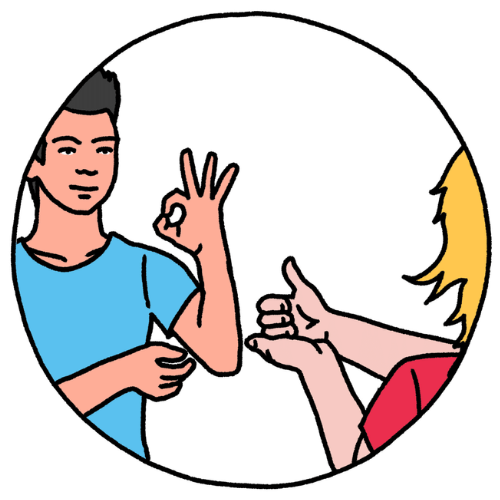
The Acting4DHH II project (Citizen Social Science for the benefit of the Deaf and Hard of Hearing communities) aims to advance inclusion, accessibility and collaboration between Deaf and hearing citizens across Europe. Building on the success of the first Acting4DHH project, implemented in Thessaloniki, Greece, in 2024, this second phase expands the initiative to four Deaf communities in Poland, Slovakia, Ukraine, and Greece.
Co-designed and coordinated by the Greek R&D company and citizen science expert Web2Learn, Acting4DHH II set out to empower Deaf and Hard of Hearing (DHH) individuals to raise their voices and co-create knowledge that promotes inclusion and accessibility.
What we did
Through a series of co-creation sessions, DHH and hearing citizens worked together to create short videos that highlight both the barriers and the opportunities present in their everyday interactions. These videos provide real examples of inclusive communication and creative collaboration.
The videos produced through the project are available here: https://web2learn.eu/acting4dhh-ii/videos/
The project also collected video testimonials in which participants reflect on how citizen science can strengthen the visibility and empowerment of DHH communities.
In addition, the project’s results and its inclusive methodology were presented at the CS4Health Conference, contributing to a broader European conversation on accessibility and citizen engagement in research.
Acting4DHH II’s added value at the European level
Acting4DHH II shows how citizen social science can be an inclusive and empowering approach that fosters awareness and action. By directly involving citizens in the co-creation of knowledge, the project addressed the underrepresentation of Deaf individuals in research and policy spaces that shape their daily lives. It also highlighted the importance of accessible formats, sign language interpretation and participatory practices that help make science open to everyone.
The participation of the Ukrainian partner and its Deaf community offered valuable insight into the daily struggles and networks of solidarity that support Deaf citizens in war-affected areas. These perspectives emphasise the need for targeted action to meet the needs of Deaf communities in vulnerable contexts.
What IMPETUS provided
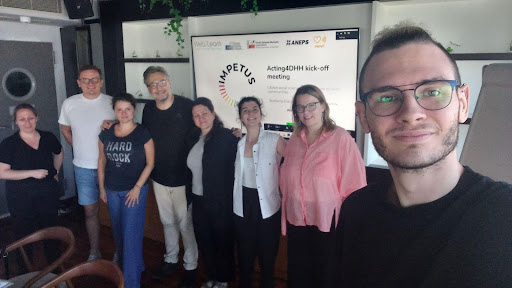
Participation in the IMPETUS Accelerator was pivotal to the project’s development. The programme offered guidance on impact design, inclusive communication and stakeholder engagement. Through the mentoring scheme, the Web2Learn team enhanced its capacity to assess social impact, reach wider audiences and connect with other citizen science initiatives across Europe.
What comes next
Building on the experience gained, Web2Learn and its partners are now collaborating on the new EU-funded project “SIGNS”. This follow-up initiative will further expand the outcomes of Acting4DHH II. It continues the collaboration with the four Deaf communities and aims to establish an open and accessible framework for citizen social science that benefits both DHH and hearing citizens.