
Project Description:
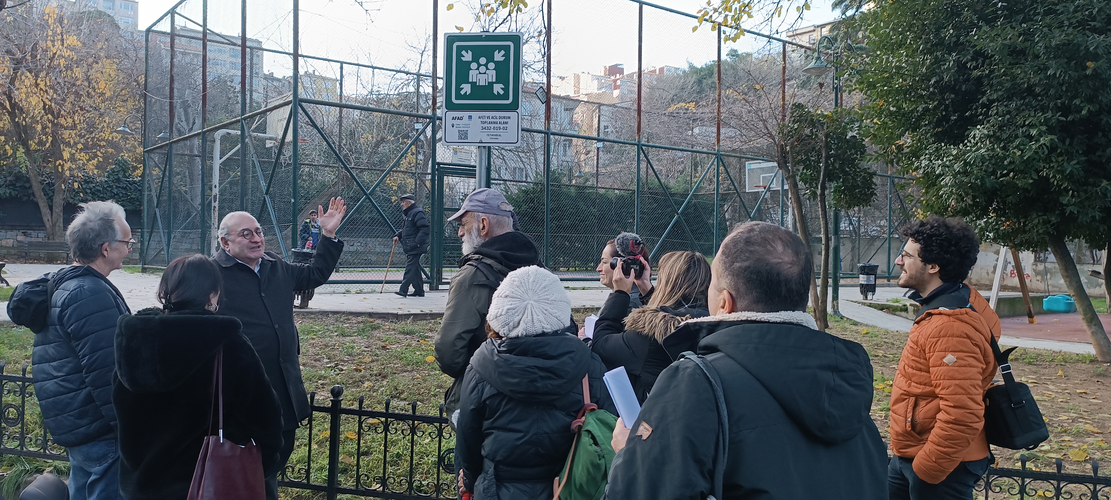
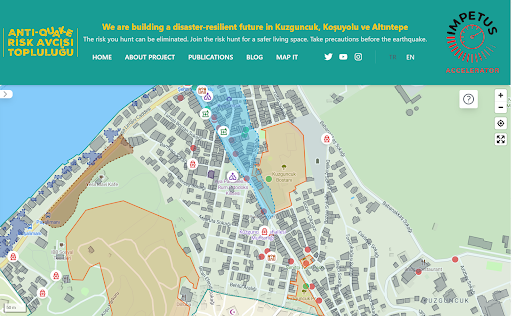
Antiquake is a citizen-led initiative that brings together neighbourhood actors and local social capital to strengthen disaster preparedness. It promotes active public participation within existing administrative and governance structures. The project focuses on creating GIS-based neighbourhood disaster risk and safety maps, organising town-watching walks, and enabling residents to report risks using a simple digital spatial tagging tool on the project website. Relationships with scientists, experts, and relevant institutions are built and sustained to support knowledge-sharing and collaborative action. The approach emphasises inclusivity, local ownership, and low-barrier involvement, allowing volunteers from all backgrounds to contribute to safer urban spaces. The initiative encourages residents to participate in identifying, documenting, and communicating risks in their daily environment, fostering a culture of awareness and shared responsibility in disaster risk reduction.
Project Type: Sustaining
Theme: Disaster Resilience
Mentor:Stefanie Schuerz
Citizen Science for Disaster Risk Reduction – A Bottom-Up Model for Disaster Resilience
Antiquake is a citizen science initiative that brings together residents, academics, and local institutions to observe disaster risks, map them using open-source tools, and develop a solidarity-driven model of community preparedness. The project bridges gaps between science, society, and institutions by enabling people to recognise risks in their own environment and take proactive action in disaster risk reduction. Through town-watching, digital mapping, participatory analysis, and continuous feedback, Antiquake strengthens community agency and activates the capacity of individuals and neighbourhoods to shape disaster action plans from the ground up. This creates a bottom-up model that is replicable, inclusive, and sustainable.
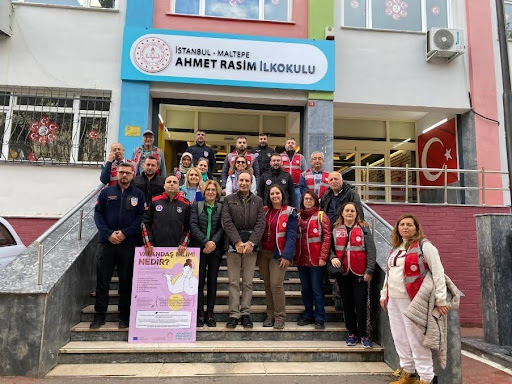
Citizen-generated data enriches higher-level disaster plans and allows residents to track the progress of risk-reduction measures. This dual movement, where communities shape local preparedness while informing institutional plans, bridges the gap between everyday experiences and official disaster governance. Antiquake also engages multiple scientific fields to understand the factors that shape community resilience and the conditions that support or hinder active participation.
Each Antiquake cycle begins with learning the neighbourhood, including its strengths, vulnerabilities, social dynamics, and local actors. Every area’s unique structure influences how the project develops. Residents from different professional backgrounds, youth, artists, craftsmen, individuals with diverse needs, and neighbourhood groups contribute to a volunteer network that reflects the place’s identity. Participation is voluntary and grounded in solidarity. The core team includes engineers, designers, a legal expert, and researchers, supported by residents, youth groups, neighbourhood leaders, municipal disaster officers, and citizen scientists, including many skilled local professionals.
Effective disaster risk reduction requires community participation and stronger links between institutions and everyday realities, where citizen science plays a transformative role. In 2024, Antiquake was selected for the IMPETUS “Citizen Science for and with Communities” Challenge, allowing the team to pilot the model in Kuzguncuk, where they had previously engaged in local earthquake solidarity. The pilot was recognised with the EU Prize for Citizen Science – Digital Communities.
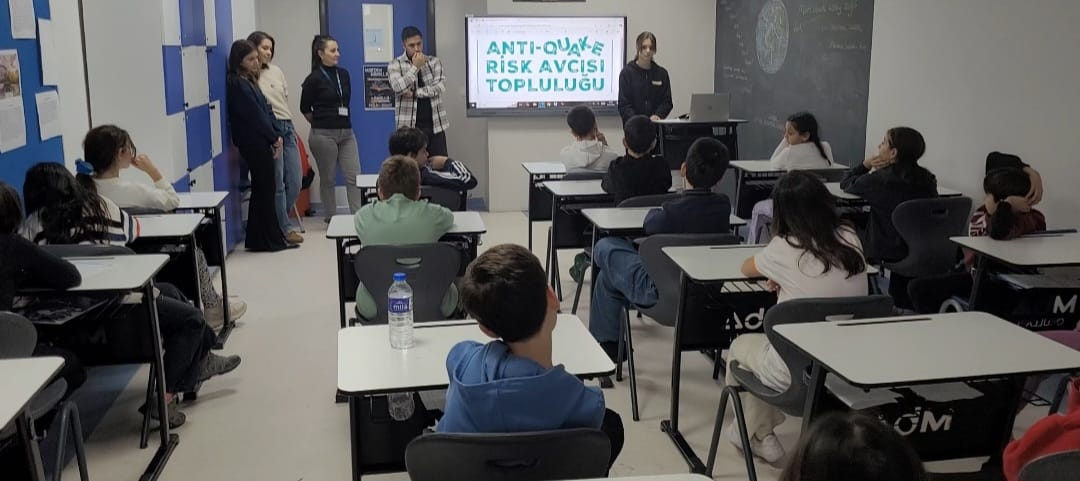
In 2025, the work continues under the “Citizen Science for Circular Communities – Disaster Resilience Challenge,” refining the approach, expanding into new neighbourhoods, and contributing to municipal and national policy frameworks through insights gained during implementation.
IMPETUS provided the foundation to begin and the structure to grow. The programme offered training in project management, citizen science methodology, ethics, communication, and impact evaluation, along with mentorship that strengthened the model and helped the team stay focused. IMPETUS also connected the project to a wider citizen-science ecosystem, increasing confidence and motivation to deepen its impact.
Building on the Kuzguncuk pilot, Antiquake now operates in three neighbourhoods, supporting local actors to take leadership. The team continues to strengthen dialogue among stakeholders to ensure that community perspectives meaningfully inform disaster planning.
Looking ahead, the project aims to transform its digital map and reporting tool into a broader community platform that supports continuous data collection, neighbourhood coordination, and open-data sharing. The model will be extended to campuses, workplaces, and civic institutions, with strengthened data standards and technical infrastructure to ensure long-term usability and scalability across Turkey and beyond.