
Project Description:
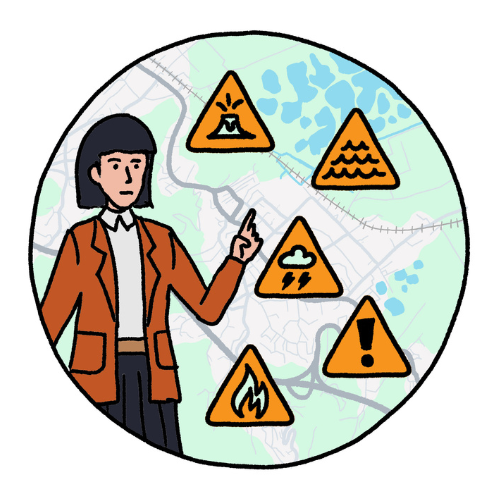
The Citizen Science for Disaster Risk Preparedness Policy Development in Kakanj project aims to transform disaster risk preparedness in the municipality of Kakanj through an inclusive, data-driven citizen science approach. Over seven months, the initiative will train and engage more than 100 citizen scientists—citizens from all local neighbourhoods, primarily youth, rural residents, and Roma community members—in mapping disaster risks using geospatial technologies and participatory research methods. These volunteers will work in partnership with disaster experts, researchers, local NGOs, and municipal authorities. Together, they will co-design a risk mapping methodology, collect and analyse data on hazards such as flooding, landslides, industrial pollution, and earthquake vulnerability, and develop an open-access risk dataset. The findings will inform policy recommendations for a local disaster risk reduction strategy, which will be formally presented to the Municipality of Kakanj. In parallel, the project will produce a scientific paper, technical mapping guidelines, and advocacy materials, all shared through EU open science platforms. Beyond its scientific and policy contributions, the project prioritises social impact. It fosters environmental awareness, strengthens youth leadership, and supports inclusive community participation in disaster governance. With a strong sustainability plan, it aims to evolve into a long-term platform for grassroots risk monitoring and environmental transformation in Kakanj—setting a precedent for participatory resilience planning in other municipalities.
Project Type: Kickstarter
Theme: Disaster Resilience
Mentor: Alexandra Albert
Mapping Risks, Mobilising Communities: Citizen Science for Disaster Preparedness in Kakanj
The project Citizen Science for Disaster Risk Preparedness Policy Development in Kakanj (CS DRP PD Kakanj), led by the Association for Research and Social Innovation “Analyse, Design, Transform,” brings together citizens, youth, scientists, local authorities and activists to map disaster risks and industrial pollution in one of the most environmentally burdened cities in Bosnia and Herzegovina. Throughout the IMPETUS Accelerator, the team collaborated closely with citizen scientists from neighbourhoods and remote rural communities to document hazards, collect georeferenced data, and create a shared evidence base to support future disaster-preparedness planning.
Citizens as scientists
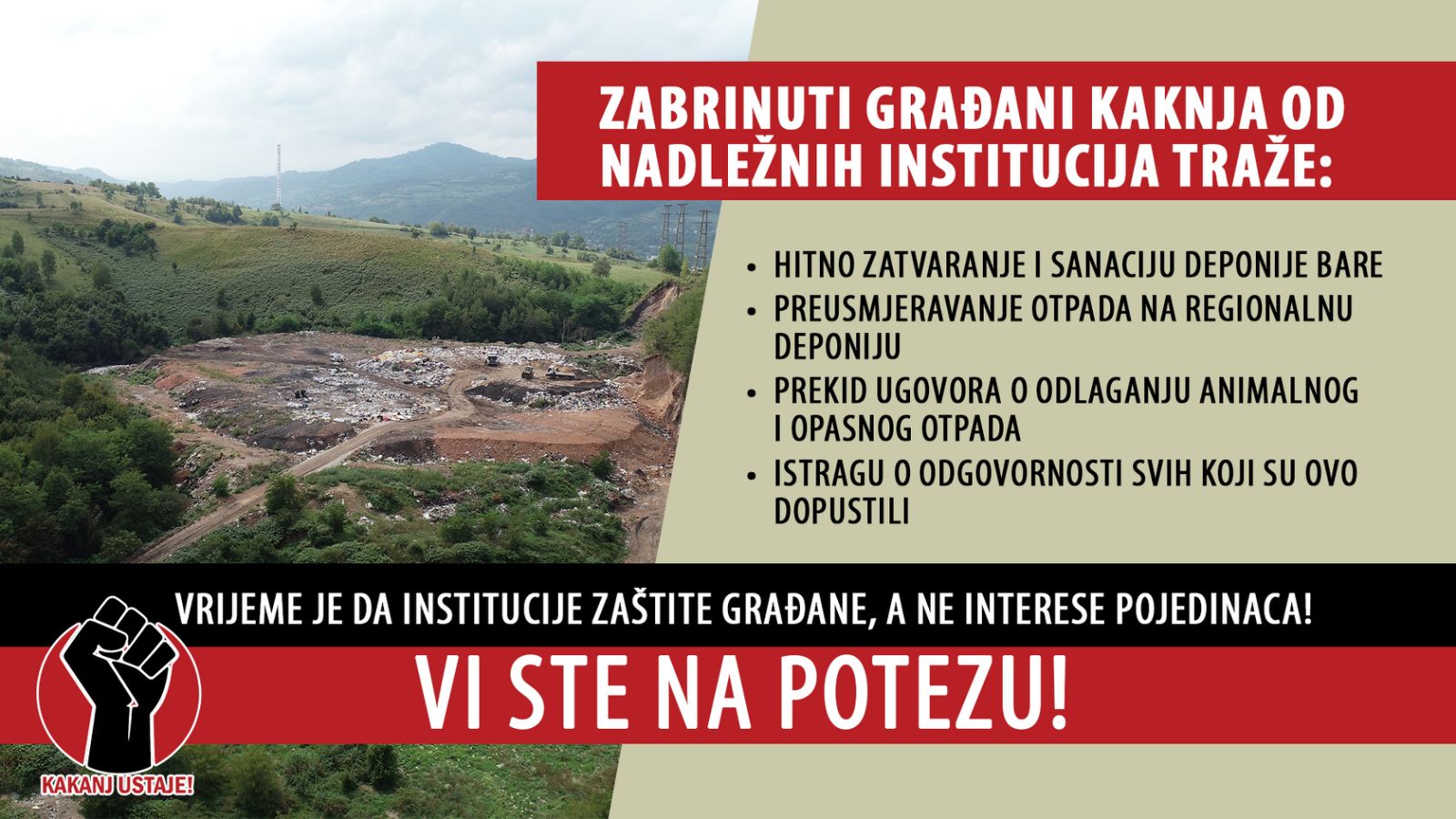
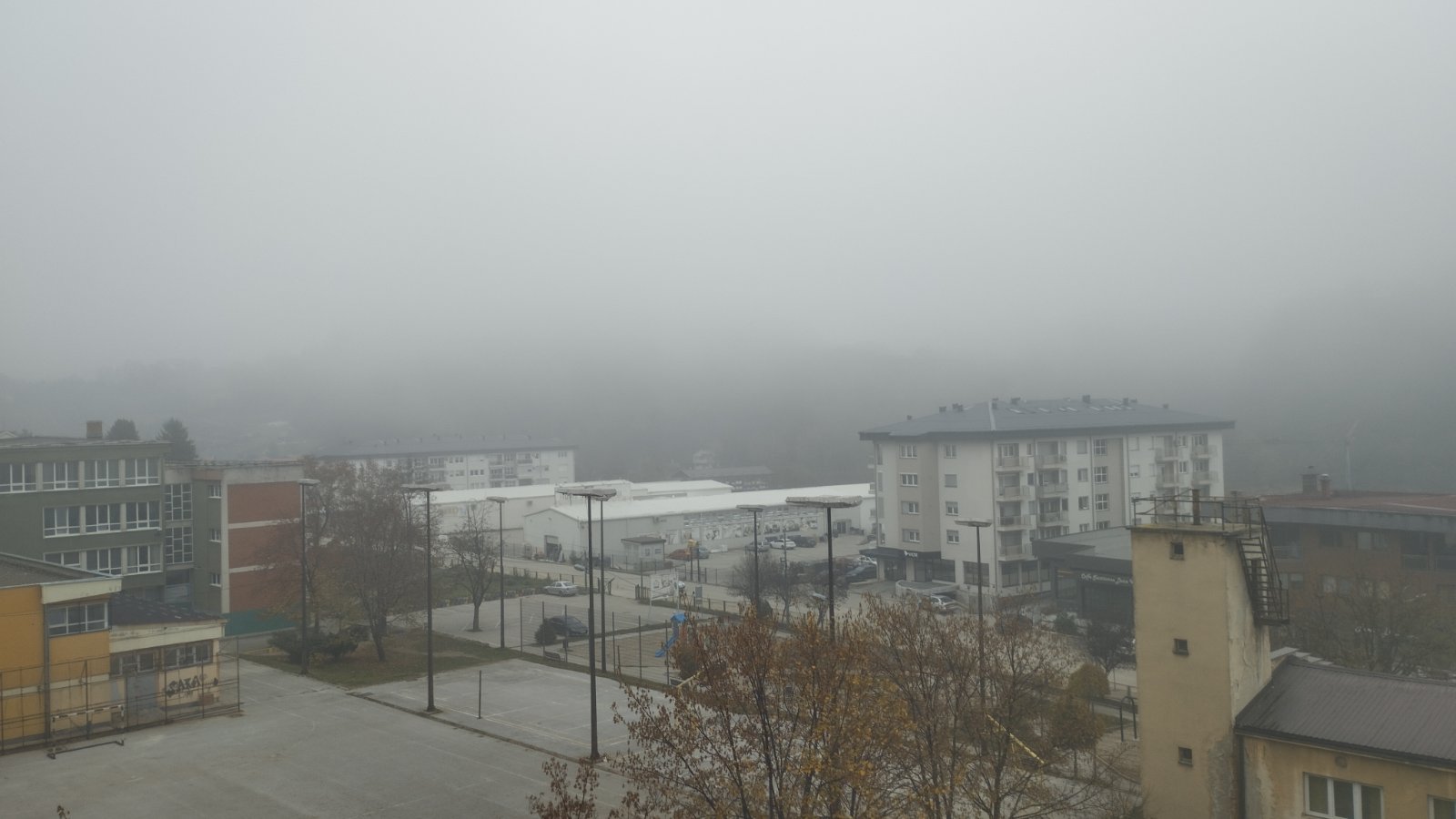
Across the municipality of Kakanj, citizen scientists, including high school and university students, rural residents, and local activists, identified environmental threats such as air pollution, landslide-prone zones, industrial waste sites, damaged infrastructure, flood-prone areas, and climate-related vulnerabilities. Using mobile geo-mapping tools and visual documentation methods, participants collected detailed on-the-ground data at the local level.
These activities were co designed with disaster risk experts, local NGOs, neighbourhood councils and ADT’s project team. Together, they developed the technical guidelines, field protocols and analytical framework that guided the mapping process.
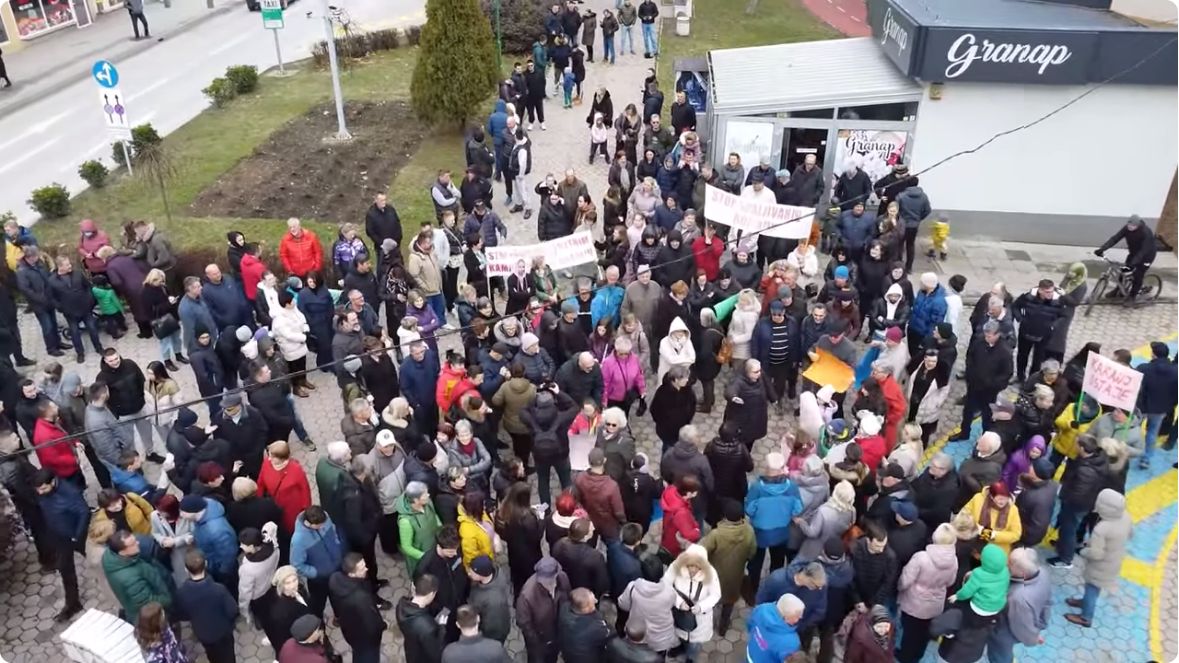
Why Kakanj needed this
Kakanj is a heavily industrialised municipality that hosts a power plant, cement factory, coal mines and large manufacturing sites. As a result, the city experiences persistent pollution of air, land and water. Combined with unstable terrain shaped by centuries of underground mining and the growing impacts of climate change, disaster risks have increased significantly.
Despite these challenges, local communities have had limited access to structured information, and residents have rarely been involved in formal disaster preparedness processes. This project changes that by enabling citizens to become data collectors, interpreters and advocates for safer local policies.
How IMPETUS strengthened our work
The IMPETUS Accelerator provided essential guidance on structuring, implementing and communicating a citizen science project of this scale. Through tailored mentoring and practical sessions, the programme helped refine the methodology, clarify roles between citizens and experts and establish a workflow that ensured high quality and policy relevant data collection.
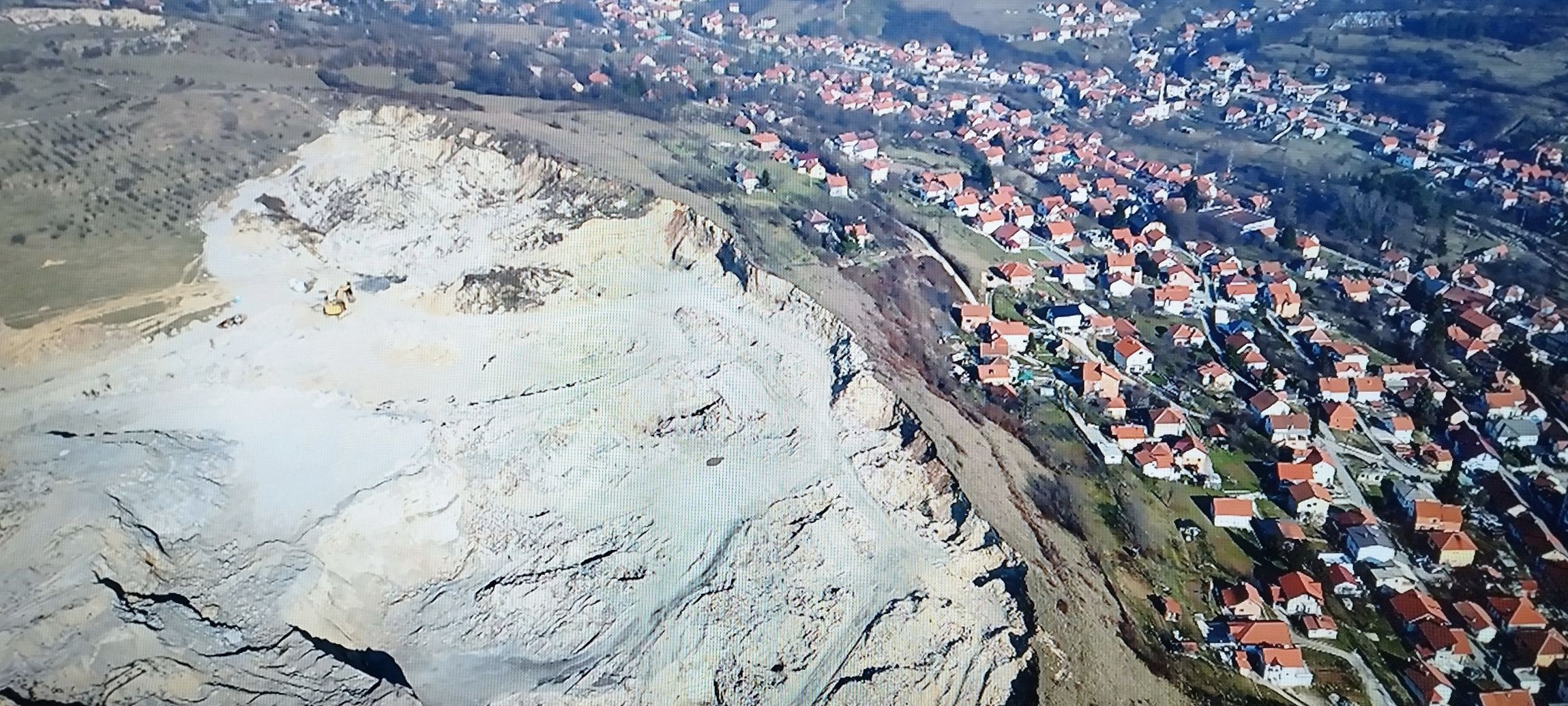
IMPETUS also offered valuable training in strategic communication, community engagement and advocacy planning. This support helped the team design accessible communication materials, build stronger relationships with local communities and share results in formats that resonate with both citizens and policymakers.
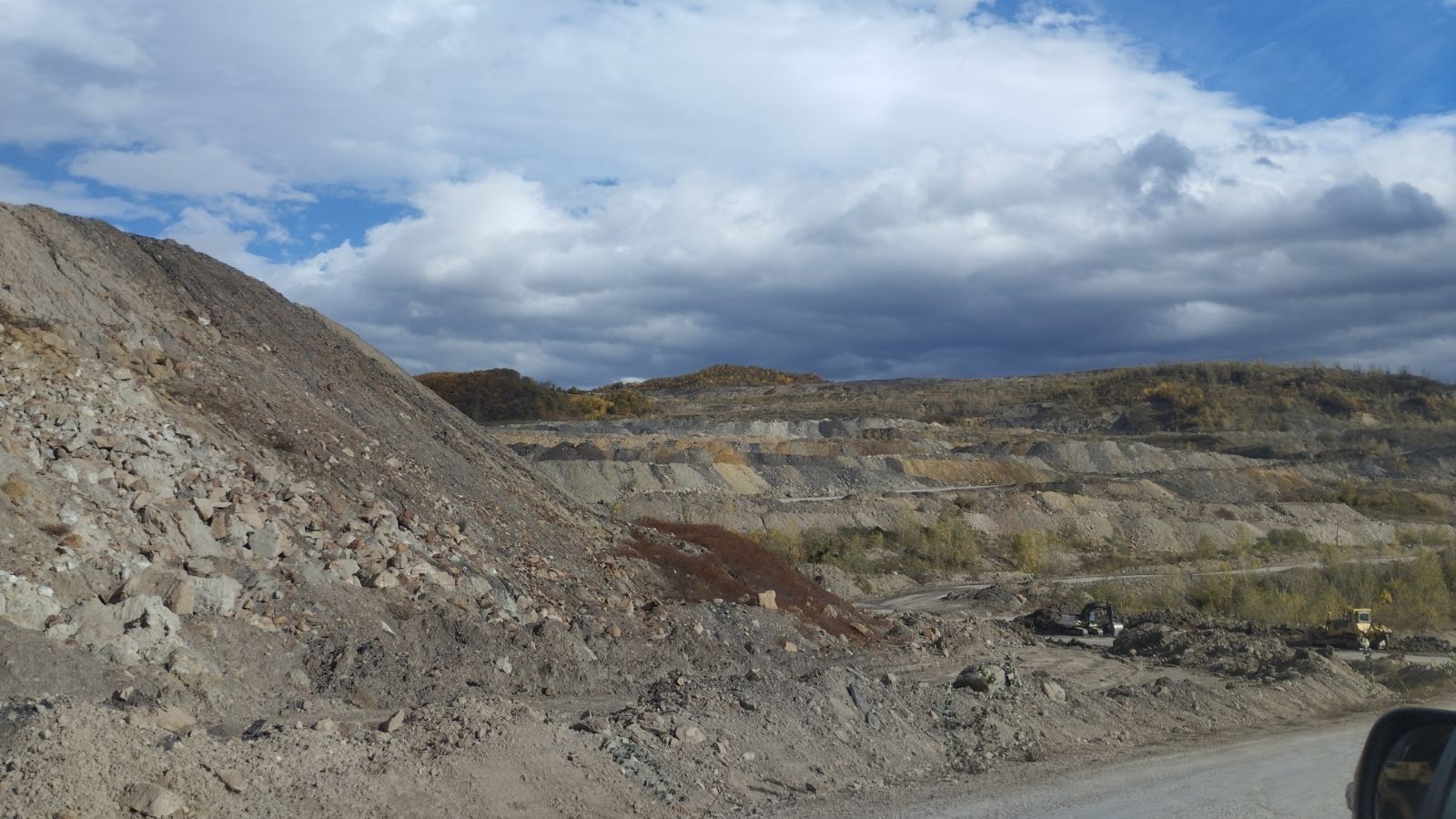
What the data and the community taught us
The project showed that when residents receive tools, training, and a straightforward process, they can generate high-quality data directly relevant to policy development. It also demonstrated the power of visual evidence, including photographs, maps, videos, and GPS trails, to mobilise communities, validate long-standing concerns, and strengthen bottom-up advocacy for environmental and disaster risk reform.
Voice from the field
Maksuma Topalović, activist and member of the Kakanj Ustaje civic movement, shared:
”“For years, residents have spoken about pollution, landslides and floods, but we had no systematic documentation to show decision makers. This project finally gave us the tools to map these risks and visually present what our communities face every day. We now use these maps in our advocacy to demand accountability, better planning and stronger protection of neighbourhoods. The results will help us rebuild active local communities, strengthen direct democratic participation and push Kakanj toward a greener and safer future.”
Beyond the project
The dataset, report and policy recommendations will be shared with municipal authorities to help inform a local disaster risk management strategy. ADT and community partners will continue advocacy efforts, work with neighbourhood councils and expand citizen-led monitoring.
In the long term, the goal is to embed participatory risk mapping in local governance, strengthen direct citizen engagement in environmental decision-making, and support a more resilient, community-driven future for Kakanj.