
Project Description:
In Messini, Greece, cultural heritage (places, traditions, and memories) unites communities, shaping their shared identity. Yet climate change, with intense heat, humidity, and extreme weather events, threatens these vital elements. At the same time, local practices, such as burning olive branches or festive bonfires, may affect local climate conditions. “Climate Action for Heritage: A Citizen Science Journey” aims to address this delicate balance. Through citizen science, community members actively document important heritage sites and practices, assess their impacts, and collectively explore sustainable alternatives. The project will result in an “Atlas of Memory and Atmosphere,” mapping local knowledge, concerns, and innovative solutions, laying the foundation for sustainable cultural preservation and a shared pathway toward circular economy practices.
Project Type: Kickstarter
Theme: Resource Management
Mentor:Jacqueline Goldin
Climate Action for Heritage: A Pilot Citizen Science Project Laying the Groundwork for Cross-Sector Collaboration
Climate Action for Heritage (CA4H) was designed and implemented as a pilot citizen science project in rural and peri-urban communities of Messinia, Greece. Its purpose was not only to explore the relationship between climate change and cultural heritage, but also to test whether citizen-generated knowledge could form the basis for longer-term collaboration, dialogue, and local action.
The project addressed a critical gap: while climate impacts are increasingly visible at the local level, mechanisms connecting environmental data, cultural heritage, community knowledge, and decision-making remain limited. CA4H responded to this challenge by piloting a participatory process that combined environmental monitoring, local memory, and collective interpretation.
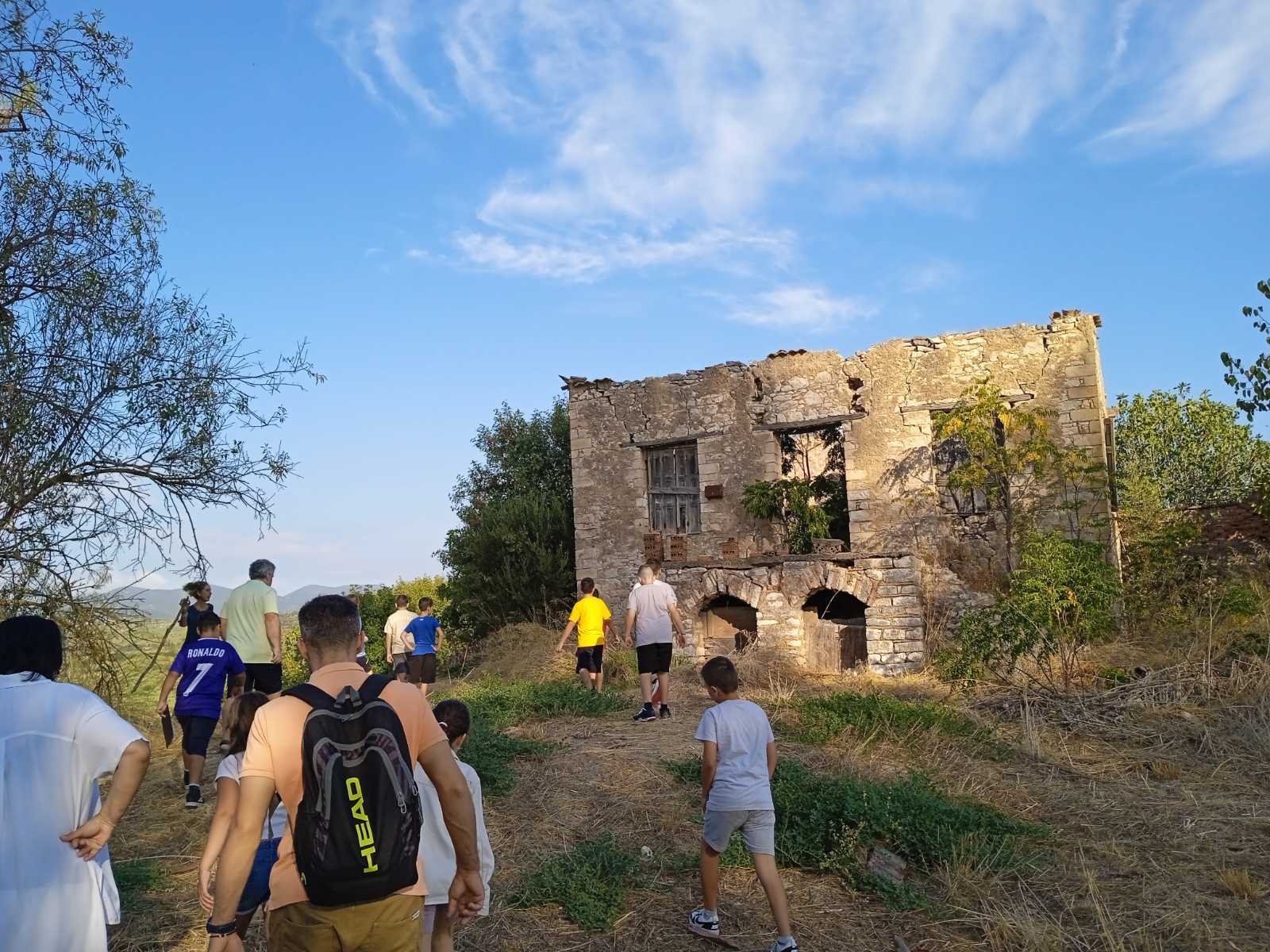
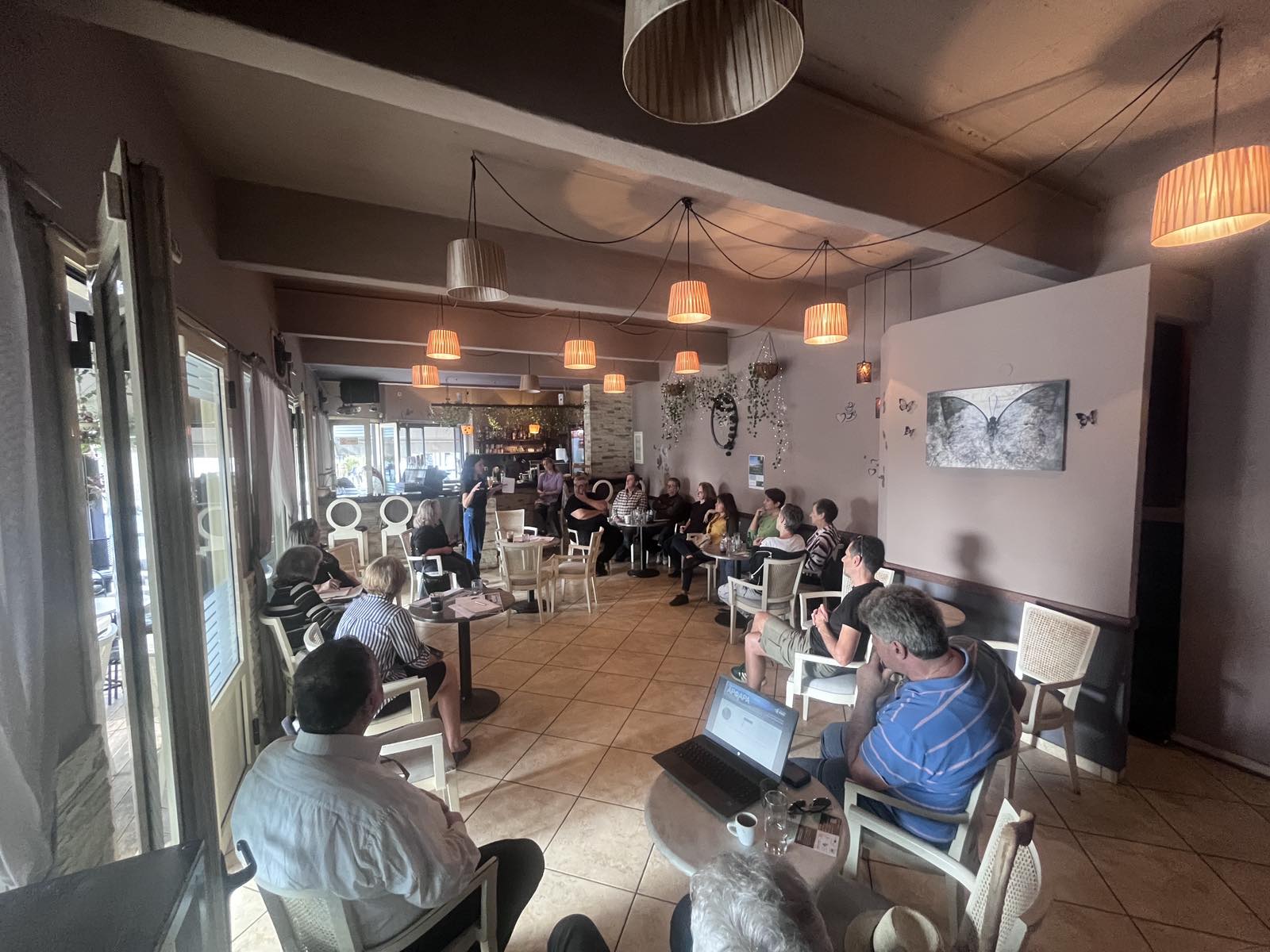
Citizen science was central to the project’s design. Residents participated as citizen scientists through multiple entry points, including participatory questionnaires, semi-structured interviews, field activities, and dialogue workshops. These processes enabled citizens to document places of cultural significance, everyday practices, perceived environmental changes, and local pressures, including heat, drought, abandonment, air pollution, and biomass burning. Schools were actively involved through educational field trips, which supported intergenerational exchange and introduced younger participants to place-based observation and environmental awareness.
Environmental monitoring complemented these qualitative inputs. Air-quality sensors were installed in three different spatial contexts (rural, semi-rural, and urban), allowing citizens to engage with environmental measurements and relate them to daily practices and local conditions. The project intentionally combined quantitative data with narratives and lived experience, testing ways to synthesise different types of knowledge within a single citizen science framework.
A key element of the pilot was returning data to the communities. Preliminary findings were shared and discussed through participatory analysis workshops, where residents were invited to validate, question, and enrich the results. This step was crucial in shifting participants from data providers to co-interpreters, strengthening trust and reinforcing collective ownership of knowledge.
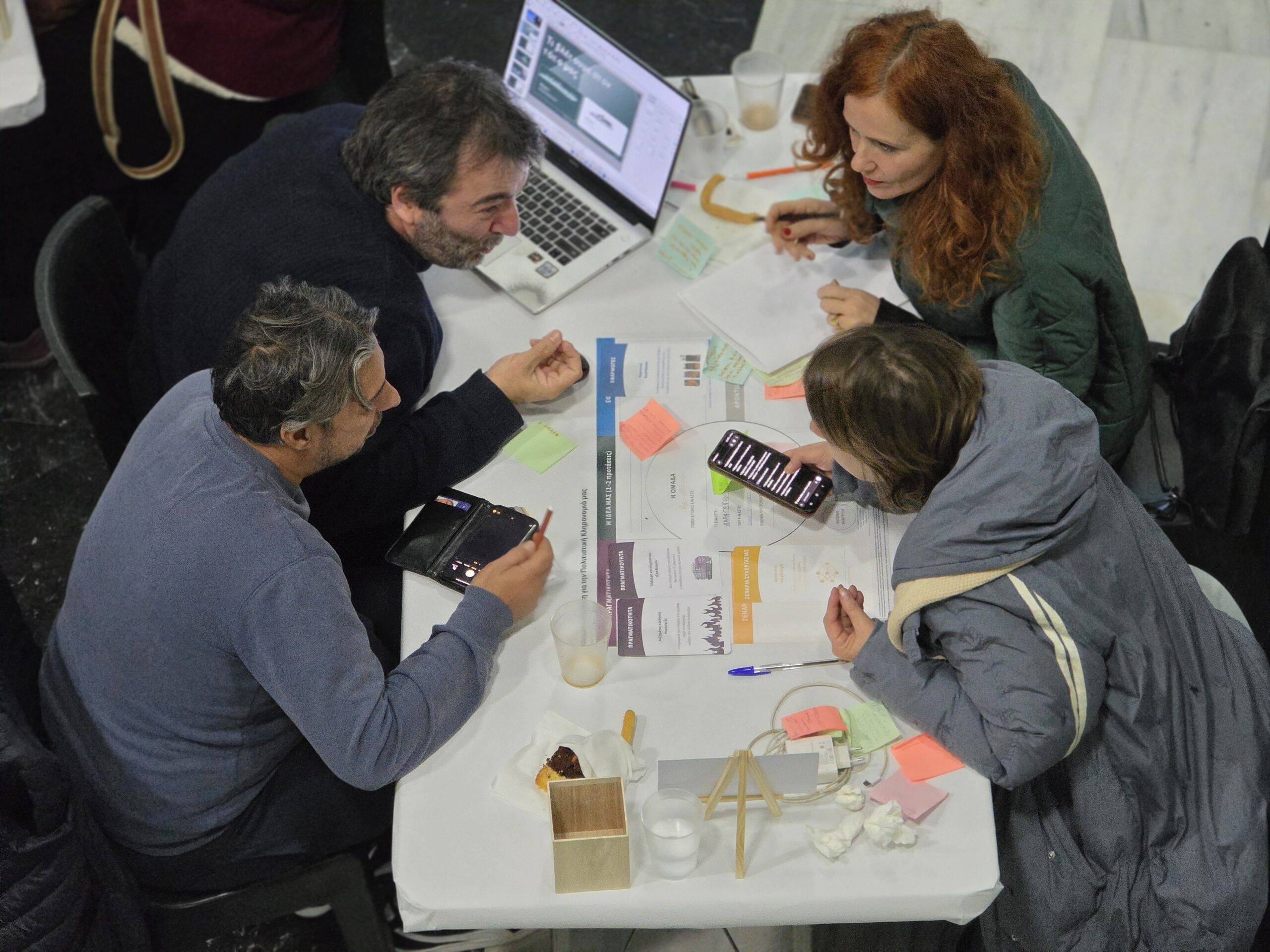
Building on this shared understanding, the process moved towards co-creation and future-oriented thinking. A Social Ideathon invited citizens, local actors, and young people to collectively explore alternatives to environmentally harmful practices, such as the burning of olive pruning residues, and to propose actions that support both environmental protection and the care of cultural heritage. The pilot concluded with a structured advocacy and dialogue roundtable that brought together actors from different sectors to discuss how the knowledge produced could inform collaboration and next steps.
The IMPETUS programme played a key role in initiating and shaping this pilot. Through mentoring and peer exchange, IMPETUS supported the project team in developing a clearer understanding of citizen science and integrating its principles into existing participatory and community-led methods. This process helped shape the overall approach and contributed to a more coherent, integrated outcome.
CA4H’s main achievement lies in what it enabled to begin. As a pilot, it demonstrated that citizen science can act as a catalyst for structured, cross-sector collaboration. The project laid the foundations for a permanent Intersectoral Collaboration Mechanism, bringing together communities, researchers, local authorities, and other stakeholders around shared knowledge and dialogue. The tools, relationships, and processes tested through CA4H now support the continuation of this mechanism, enabling future initiatives in climate action, cultural heritage, and community-led development to build on a common, participatory base.