
Project Description:
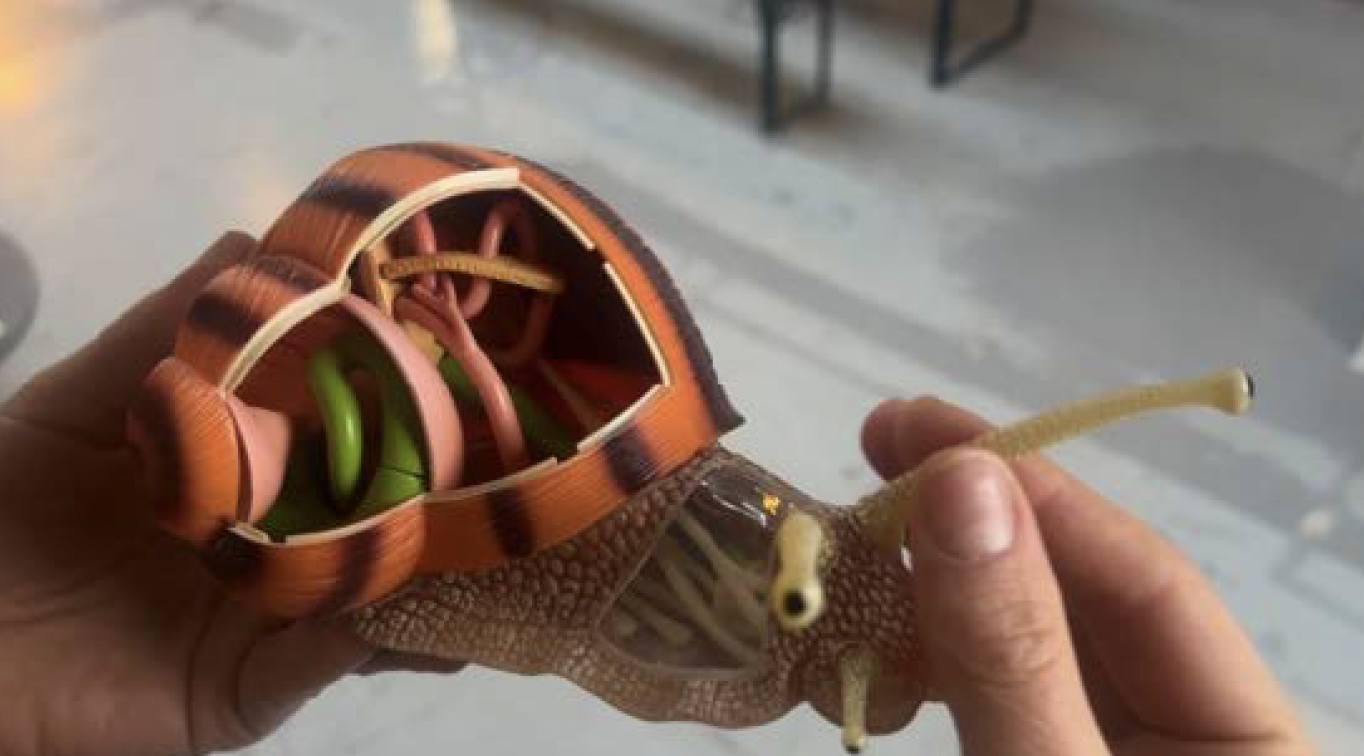
Expeditie Voelspriet is an inclusive citizen science project that empowers people with visual impairments with the tools to explore and monitor biodiversity. Most biodiversity research relies on visual identification, which leaves out many people who experience the world differently. This project aims to involve people with visual impairments by exploring sensory-based methods using touch, smell, and sound to identify plants, animals, and fungi. During several indoor workshops and an outdoor expedition across the Netherlands, participants collaborate with scientists and educators to learn about nature monitoring using accessible tools, such as 3D models, scent jars, and soundscapes. The project not only opens up new ways to connect with nature but also contributes biodiversity data to open-access platforms like waarneming.nl. Expeditie Voelspriet fosters inclusion, builds community, and encourages a deeper understanding of how we can connect with the living world using all our senses.
Project Type: Kick Starter
Theme: Inclusion
Mentor: Jacqueline Goldin
Expedition Antenna: Making Biodiversity Monitoring Inclusive for Visually Impaired Citizens
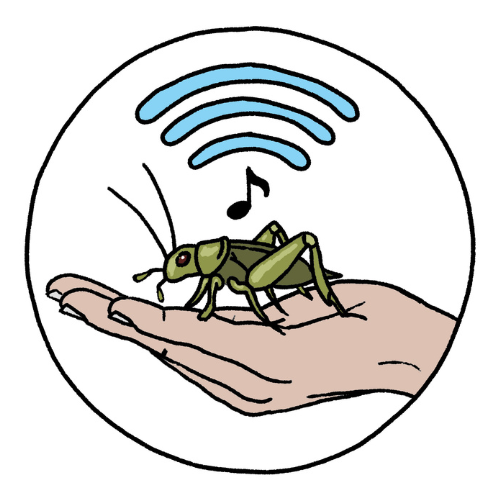
Expedition Antenna is a project by the Taxon Foundation, developed together with ecologists, sensory-learning experts, and visually impaired citizens. The project aims to make biodiversity monitoring more inclusive by developing methods that enable visually impaired individuals to experience and study urban nature meaningfully. Many nature-based and citizen-science activities rely heavily on sight, unintentionally excluding people with limited vision. Expedition Antenna shows that engagement with biodiversity can be multisensory, accessible, and co-designed with the people who need it most.
What did we do?
We began by collecting best practices and user experiences through interviews, surveys, and participation in a conference for visually impaired citizens. This exploratory phase taught us about the wide variety of visual impairments, the growing number of people affected, and how lifestyle factors, such as spending time outdoors, help slow certain forms of visual decline. It also highlighted how few opportunities there are for visually impaired people to engage with nature and how inaccessible urban green spaces often are. These insights confirmed the need for Expedition Antenna.
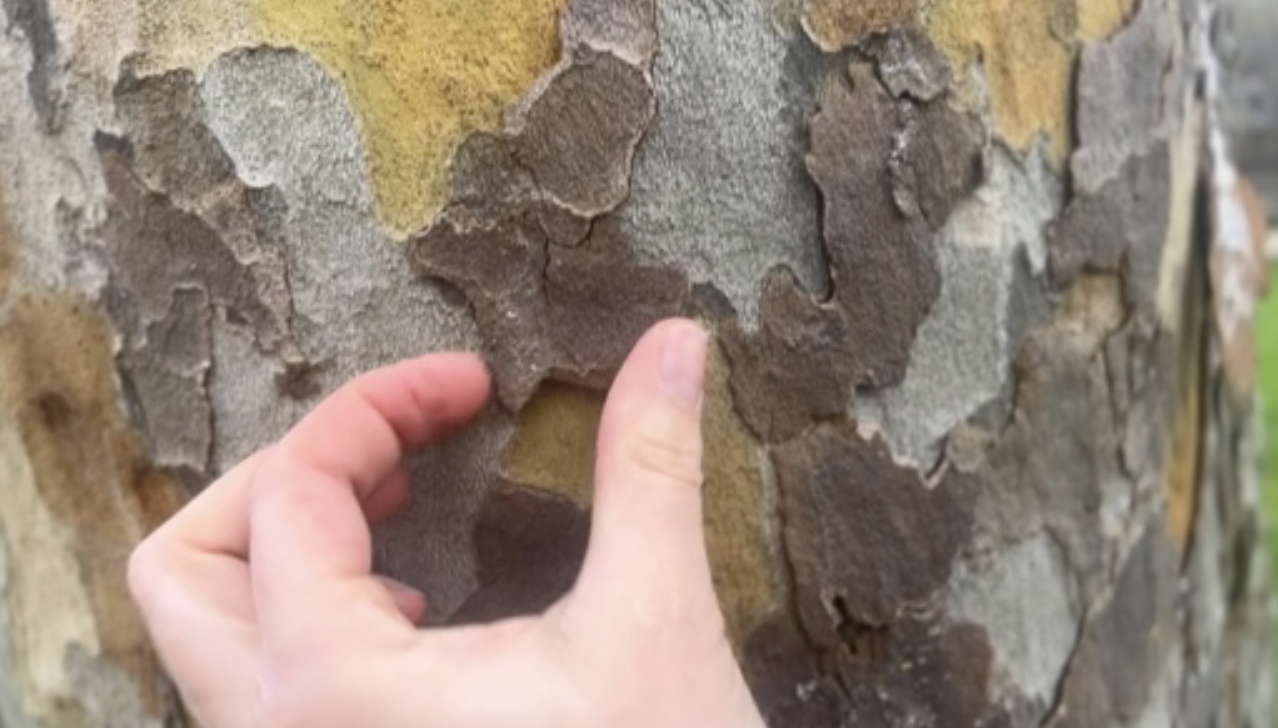
Our first pilot took place in Leiden’s Singelpark. The expedition started indoors with a sensory training session where visually impaired participants and their sighted buddies learn to explore nature through touch, smell and sound. Using feathers, skulls, leaves, bark and preserved insects, they practice identifying fine details using their hands, noses, and ears. The emphasis is on slowing down, building confidence, and discovering nature through multisensory observation.
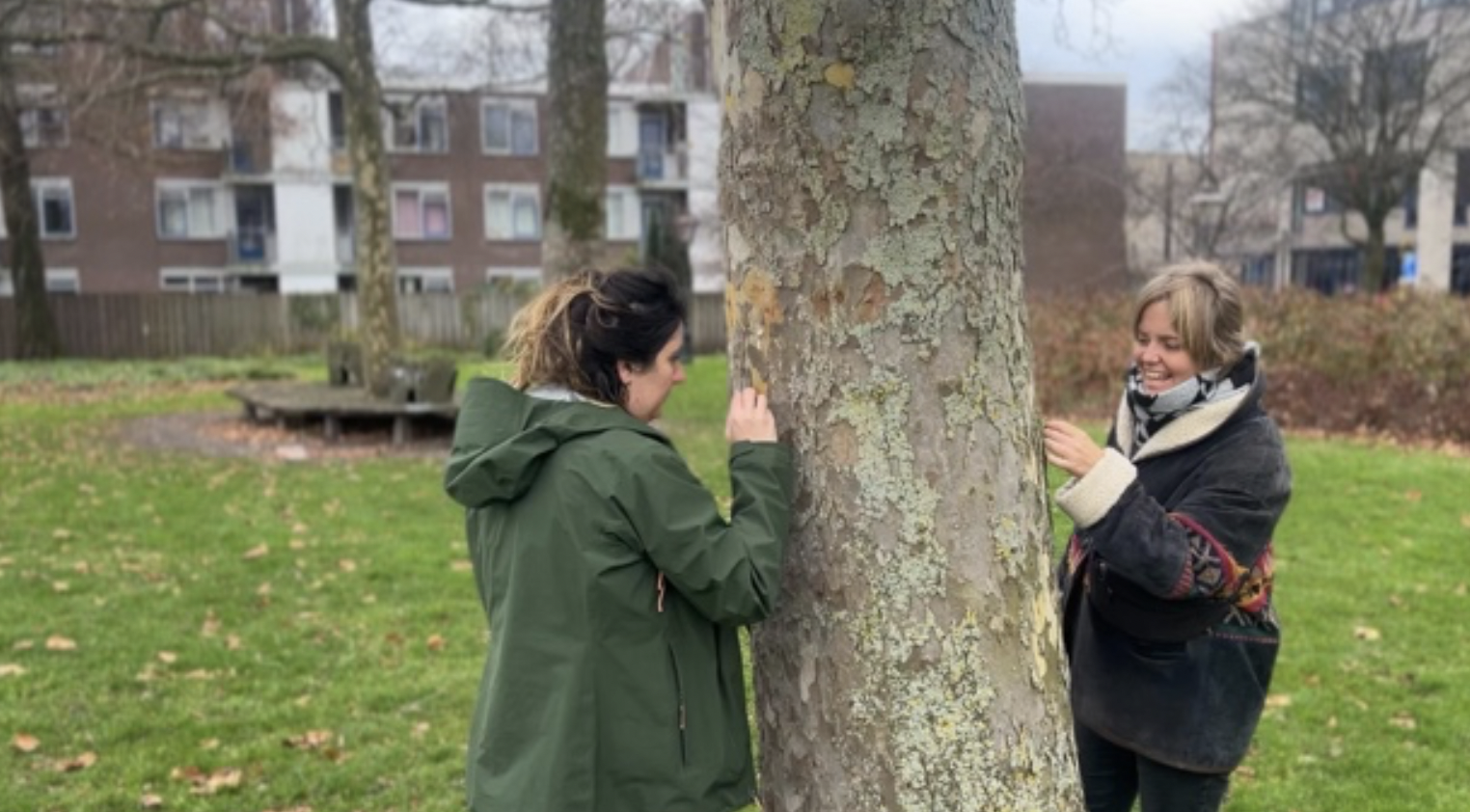
After the indoor session, participants join a guided walk through the urban park. They apply their new skills to feel tree textures, smell aromatic plants, and listen for birds and insects. Nature guides help translate these sensory impressions into ecological knowledge. During the pilot, we also tested ideas for a “feel kit,” a small collection of tactile objects that participants can later use to continue exploring independently or with a buddy.
Why does it matter?
Blind and visually impaired people are underrepresented in environmental education and especially in citizen science. By designing an expedition around their experiences, we challenge the assumption that engagement with nature must be visual. The project reveals barriers, uncovers opportunities, and demonstrates how inclusive design can broaden participation in biodiversity monitoring. It also raises awareness among ecologists, educators, and policymakers of the need for accessible nature experiences in cities.
What did IMPETUS provide?
IMPETUS gave us the momentum to launch a new approach to inclusive biodiversity monitoring. The programme offered essential funding, training, and guidance from our IMPETUS mentor, as well as access to a community of projects working toward similar goals. This support helped us strengthen our methodology, build confidence, and prepare the project for wider use.
What’s next?
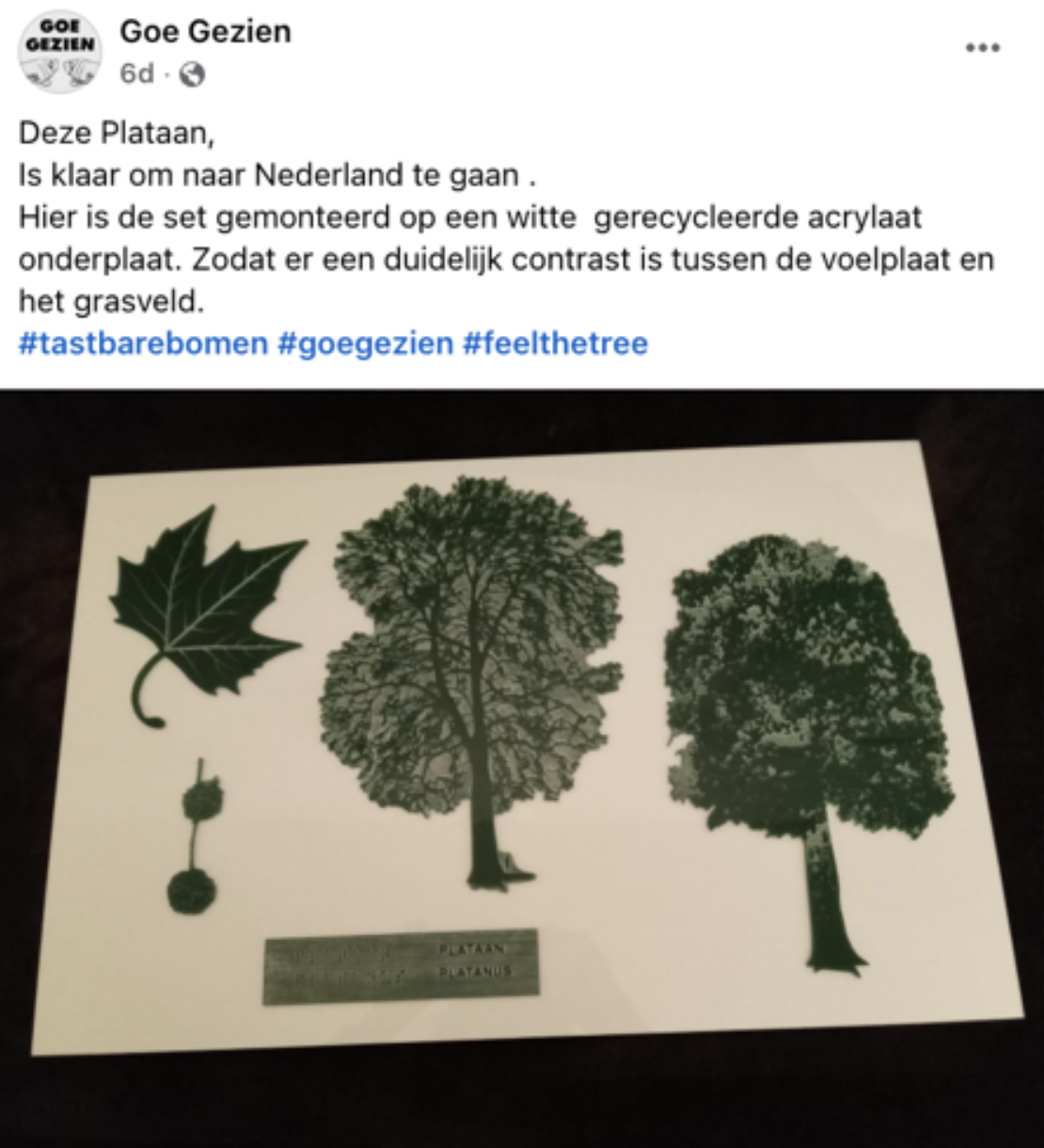
We plan to expand the expedition to Utrecht, Zwolle and other cities, and to develop a replicable toolkit that organisations can use to host their own inclusive workshops. Thanks to Maurice Sleuwaegen, a visually impaired artist from Belgium, we are working on the placement of tactile feel plates depicting trees in urban parks. To realise this, we are looking into co-funding from local action groups working on the accessibility of cities. In the long term, we aim to grow Expedition Antenna into a concept where visually impaired participants contribute directly to biodiversity monitoring using non-visual methods, ensuring that everyone, regardless of sight, can explore, study and protect the natural world.