
Project Description:
FOODWISE is a community-driven citizen science project focused on reducing household food waste and promoting affordable, healthy, and sustainable eating habits among marginalised groups in Thessaloniki, Greece. Over seven months, around 80 citizen scientists, Romani people, migrants, low-income families, and pensioners will collect data on their food purchases, consumption, and waste using diaries and calendars. The project combines inclusive data collection with collaborative analysis, providing participants with personalised dietary tips and empowering them through active engagement and visibility. FOODWISE also aims to create replicable guidelines for NGOs and community groups, contribute to local policy dialogues, and establish lasting partnerships with municipalities and retailers. By integrating citizen voices into food systems research and practice, the project fosters behavioural change, social inclusion, and sustainability. Its open-access outputs and digital community will ensure long-term impact beyond the project lifecycle.
Project Type: Kickstarting
Theme: Resource Management
Mentor:Patricia Barciela

Citizen Scientists Against Food Waste in Thessaloniki, Greece
The FOODWISE project places citizens at the centre of research on food waste and sustainable eating. Supported by the European initiative IMPETUS for Citizen Science, the project aims to reduce household food waste while promoting affordable, healthy, and environmentally responsible food habits.
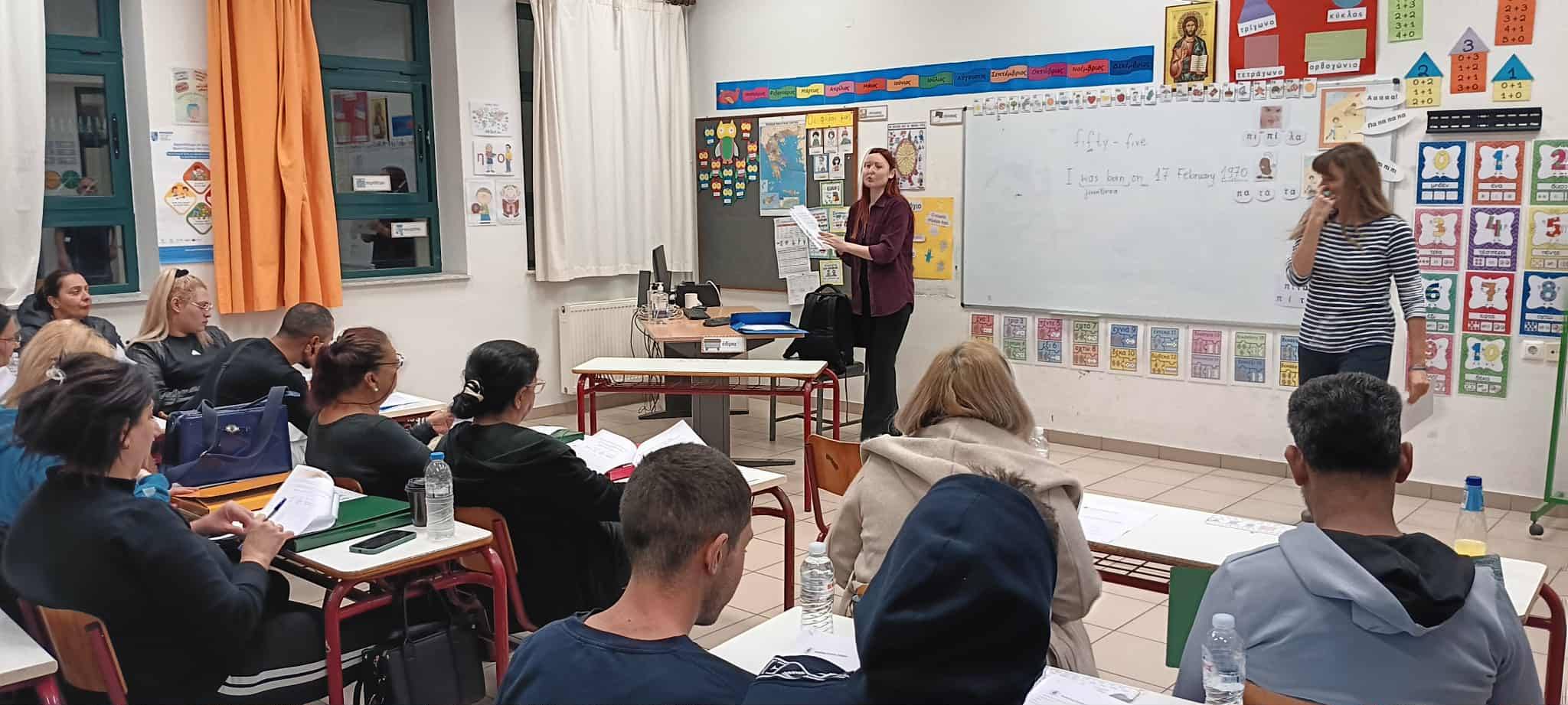
Around 80 citizen scientists from Western Thessaloniki, including Roma families, low-income households, and senior citizens, are documenting their daily food practices. Using simple diaries, participants record what they buy, what they eat, what gets thrown away, how often waste occurs, and the reasons behind it.
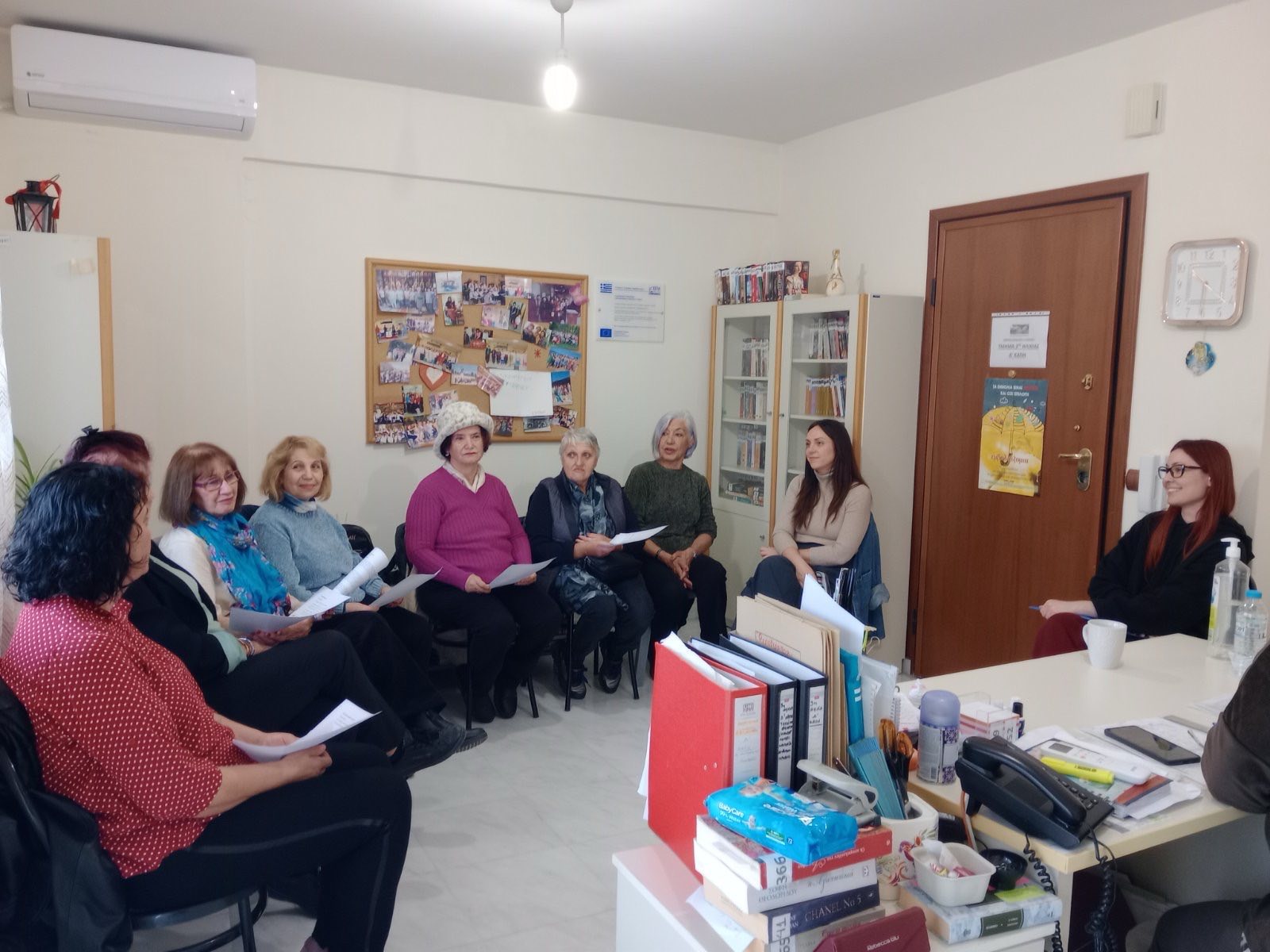
”“Our goal is to help participants become more aware of their habits — from shopping to cooking and managing leftovers. This way they will be able to manage food more wisely,”
explains Sofia Pouri, FOODWISE project coordinator.
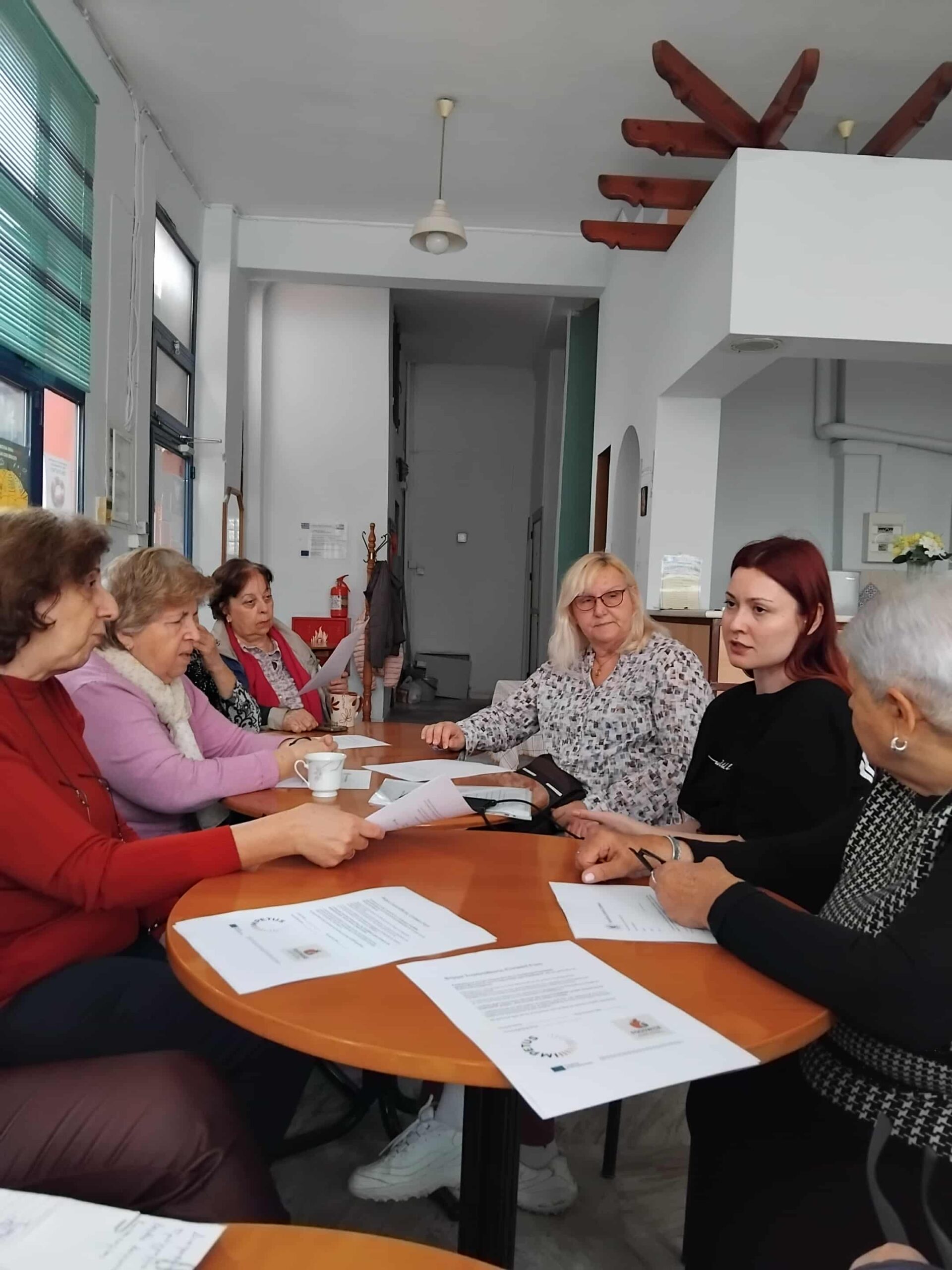
The project brings together data collection, collaborative analysis, and active dialogue with the participants, ensuring that communities often underrepresented in research have a voice. Western Thessaloniki was chosen precisely because of its diversity and the presence of vulnerable social groups. Through this approach, FOODWISE supports social inclusion, behaviour change, and community empowerment.
By examining how households purchase, use, and discard food, the team works with citizens to co-develop practical recommendations for families, NGOs, and municipalities. These insights help residents reduce waste, plan meals more efficiently, save money, and contribute to environmental sustainability.
”“We’re not telling people to buy less — but to buy smarter and make the most of what they already have, reducing food waste means fewer resources wasted, fewer greenhouse gas emissions, and more resilient communities.”
says Pouri.
IMPETUS provided crucial support in transforming FOODWISE from an idea into an active community initiative. Through the accelerator programme, the team strengthened its project design, increased visibility, and connected with other European citizen science efforts tackling environmental and social challenges.
Looking ahead, FOODWISE plans to share its findings with local authorities in Western Thessaloniki and develop guidelines for NGOs and community groups on engaging citizens in food sustainability practices. The team also envisions future collaborations to assess the environmental footprint of household food waste at the local level.
”“Being part of IMPETUS helped us see that citizen science can truly empower people — especially those whose voices are rarely heard — to become active agents of change,”
Pouri reflects.
Through small, everyday actions, FOODWISE demonstrates how collective awareness can create meaningful impact. Together, citizens and scientists are showing that smarter choices in the kitchen can help build a more sustainable and equitable city.