
Project Description:
In the WasteToWealth project, students will maintain composting systems at their schools and monitor the process with cool science tools such as soil sensors. After transforming organic waste into nutrient-rich compost, pot experiments will be conducted to determine how compost addition influences soil health and plant growth. Children will become environmental stewards as they learn about sustainability, the circular economy, soil science, and microbiology. Project merges science with wellbeing, exploring how working with nature, through composting and gardening, can reduce stress, boost mood, and improve students’ sense of purpose, through discovering how small actions can lead to meaningful change. By engaging directly in real-world scientific research, students will gain hands-on skills and deepen their understanding of environmental challenges and scientific principles. Through this initiative, we will assess the feasibility of composting in our city’s schools and determine whether implementing the project can positively affect soil health and students’ well-being.
Project Type: Kickstarter
Theme: Resource Management
Mentor:Ilidio Andre
A Citizen Science Journey into Compost and Soil Health
Sometimes the best things in life happen unexpectedly. We were not actively looking to enter the field of citizen science. We were simply trying to secure funding to carry out our research. To our surprise, during the project, we discovered that the citizen science approach is inspiring and fulfilling. It opened our eyes to the importance of communicating science and sharing it with a wider public. This was not only valuable for the citizen scientists and the community, but also for us. It reminded us of what first led us to pursue scientific careers: the curiosity and excitement of discovering something new and accomplishing something meaningful.
At the beginning of our citizen science project, “From Waste to Wealth: How Compost Shapes Soil and Health,” we had a simple but powerful idea. Students would turn everyday food scraps into compost, use scientific tools to explore soil health and discover how composting and gardening can make both people and soil healthier.
What did we do?
We launched a composting-based citizen science project in elementary and special schools across Novi Sad, Serbia, working with a committed group of university student mentors, biology teachers and motivated children.
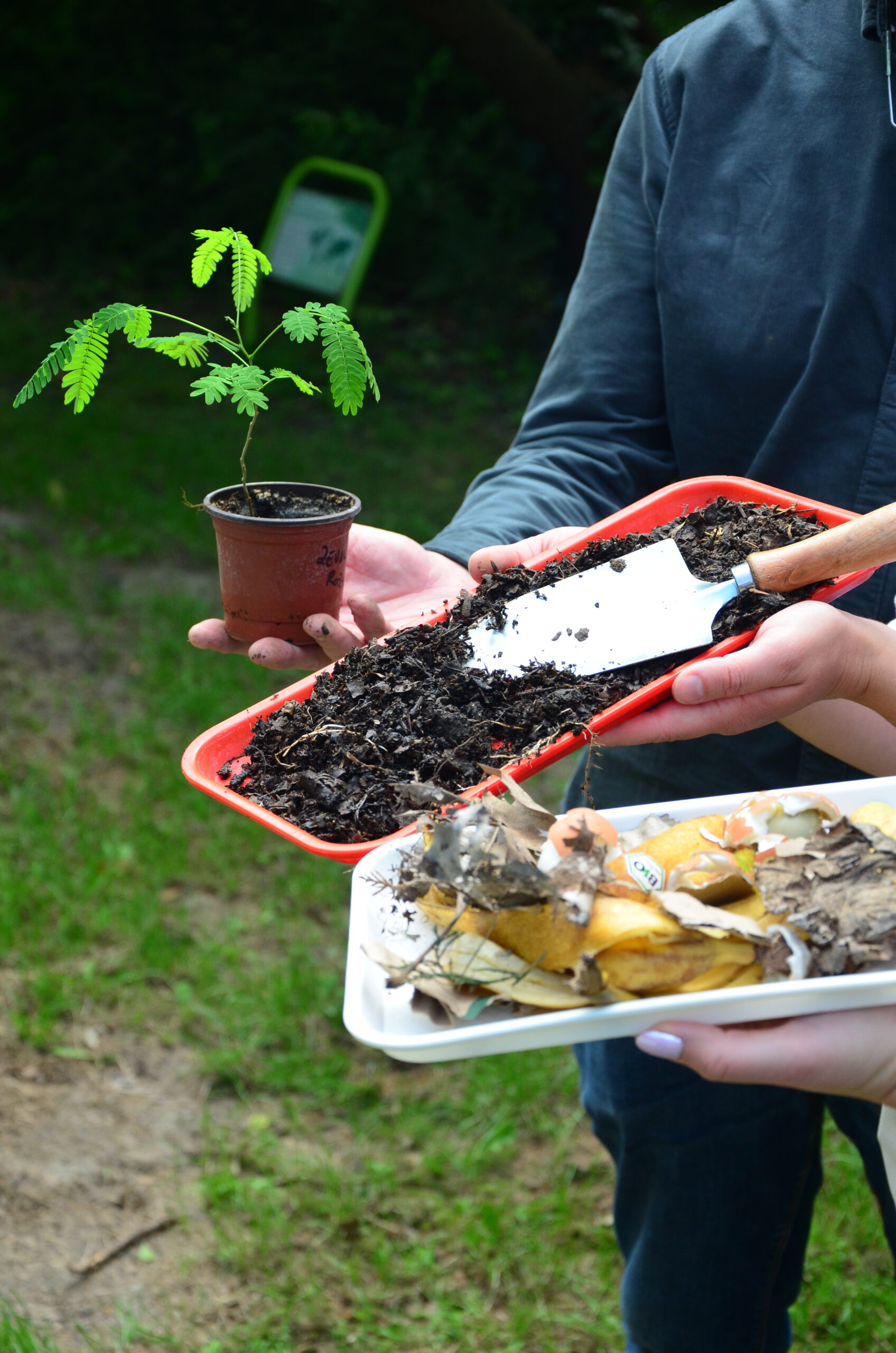
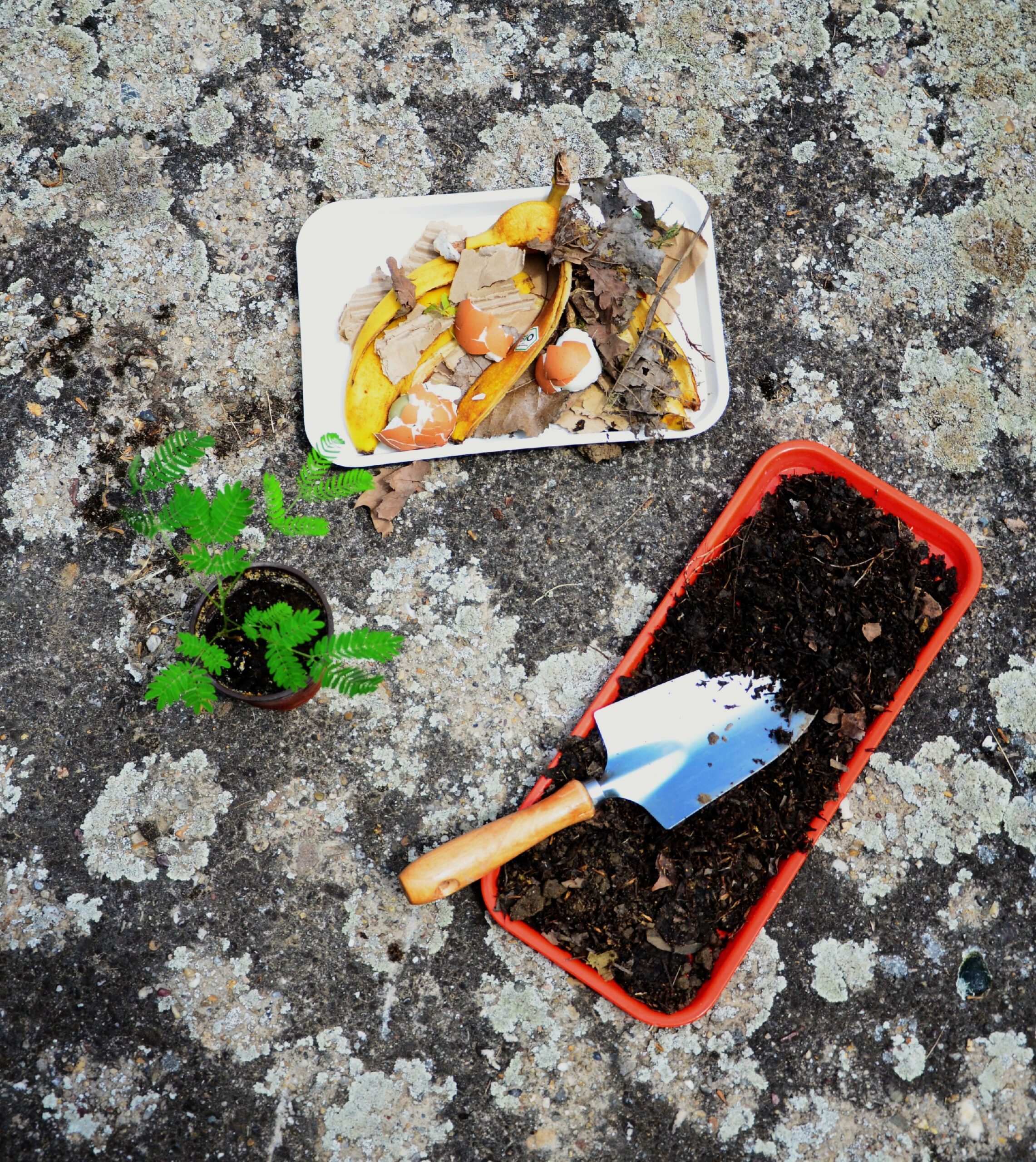
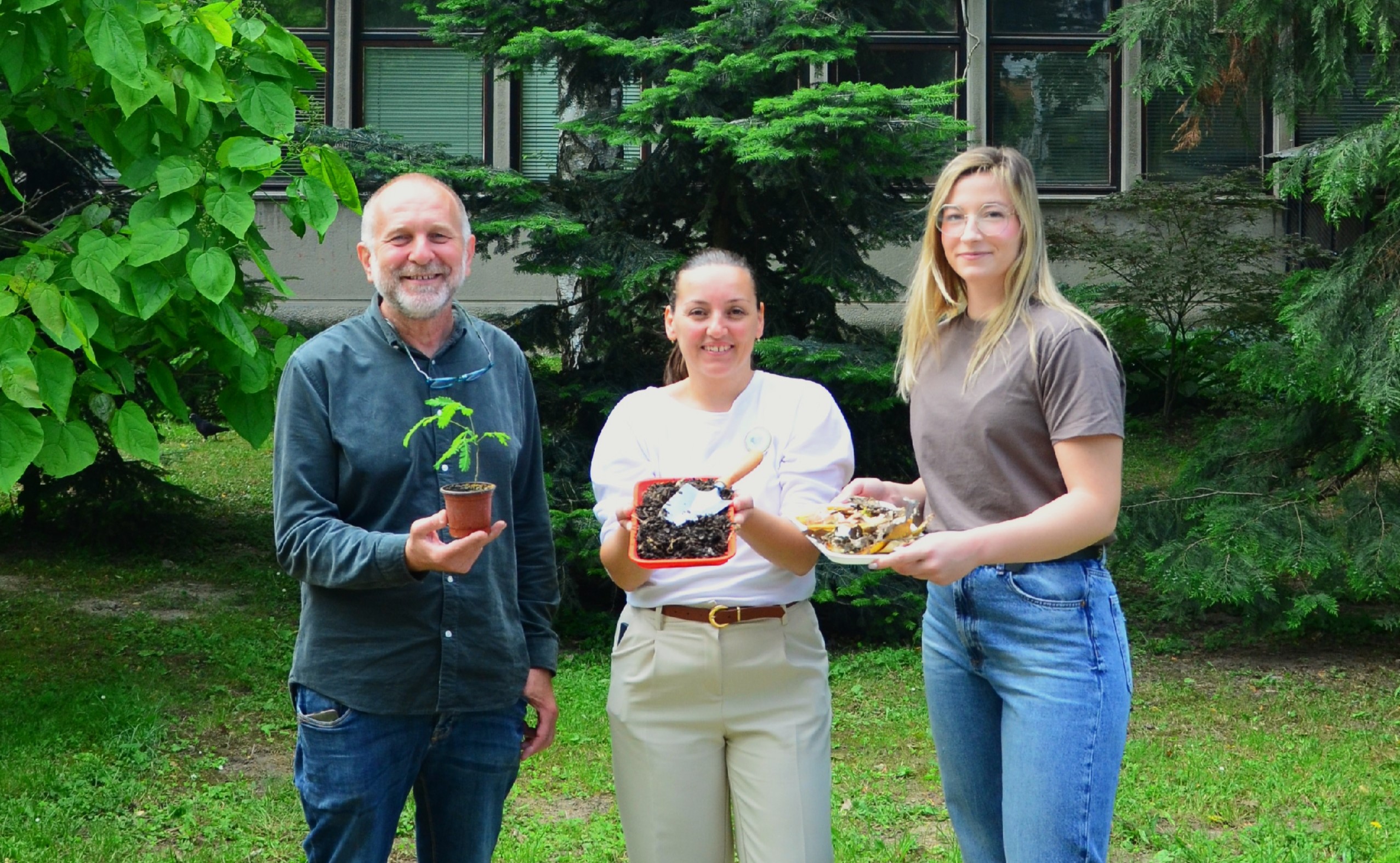
Together with students, we co-created small composting systems using everyday kitchen and green bio-waste. Over several weeks, students learned how to monitor composting and then used the resulting compost to grow lettuce in simple pot experiments. They tracked how compost improved soil and plant growth using sensors and basic plant measurements.
We also assessed how participating in the project influenced students’ wellbeing and their knowledge and attitudes toward environmental issues and science.
Why does it matter?
The project reduced waste, lowered greenhouse gas emissions and created a valuable resource that can help restore damaged soils. It also showed us that children are eager to spend time outdoors and engage in hands-on activities with clear, visible results. By involving them directly in circular-economy practices and scientific experiments, they quickly understood the value of sustainability and sound science.
What did IMPETUS provide?
IMPETUS provided the funding needed to carry out the activities. Through the programme, we also gained mentoring, training and opportunities to share our achievements. The IMPETUS bootcamp sessions offered clear guidance and helped us confidently embark on the path of citizen science, which was new to us.
What comes next?
We are preparing a scientific paper co-authored by the participating university students, summarising our main findings. We are expanding our composting journey to residents in urban neighbourhoods through a new science promotion project called “Small School of Compostology.” We will also collaborate with the City Administration to integrate composting and soil health into school environmental programmes.
As this project comes to a close, we are confident that our citizen science composting adventure is only just beginning.