
Project Description:
The Green Kypseli Community Garden is a citizen-led project that directly responds to the current urban circumstances in Athens, addressing climate injustice, while promoting urban greening, social integration, and climate resilience through a circular-economy approach. Constructed from repurposed materials sourced from street markets and renovation sites, this garden will be co-designed and co-built with the community, fostering shared ownership, sustainability, and social inclusion. Residents will participate in seed swaps, propagation workshops, and composting sessions, fostering citizen-led urban greening and environmental stewardship, setting a common ground for mutual and cultural exchange, and ensuring that skills and resources circulate within the community. More than a green space, the garden will be a hub for education and community engagement, transforming urban waste into a valuable community resource. We aim to prove that small-scale interventions can have long-term environmental, social, and policy impact, while creating a scalable model for sustainable urban regeneration and a space where communities come together to learn, grow, and connect.
Project Type: Sustaining
Theme:Resource Management
Mentor: Ines Navalhas

Making Athens Green With the Hands of Its Citizens
Green Kypseli is a grassroots citizen collective working to bring environmental justice, climate resilience, and accessible green spaces to Kypseli, one of the most densely populated districts of Athens. The initiative brings together residents, local organisations, and policymakers as equal partners, creating a bridge between community needs and wider decision-making.
In 2024, the collective carried out citizen-led mapping using the 3-30-300 rule for urban green. The results showed that Kypseli’s dense urban landscape produces severe environmental inequalities, with vulnerable communities experiencing extreme heat and very few places to cool down. The mapping also revealed major gaps in access to green spaces and identified numerous unused or neglected plots across the district.
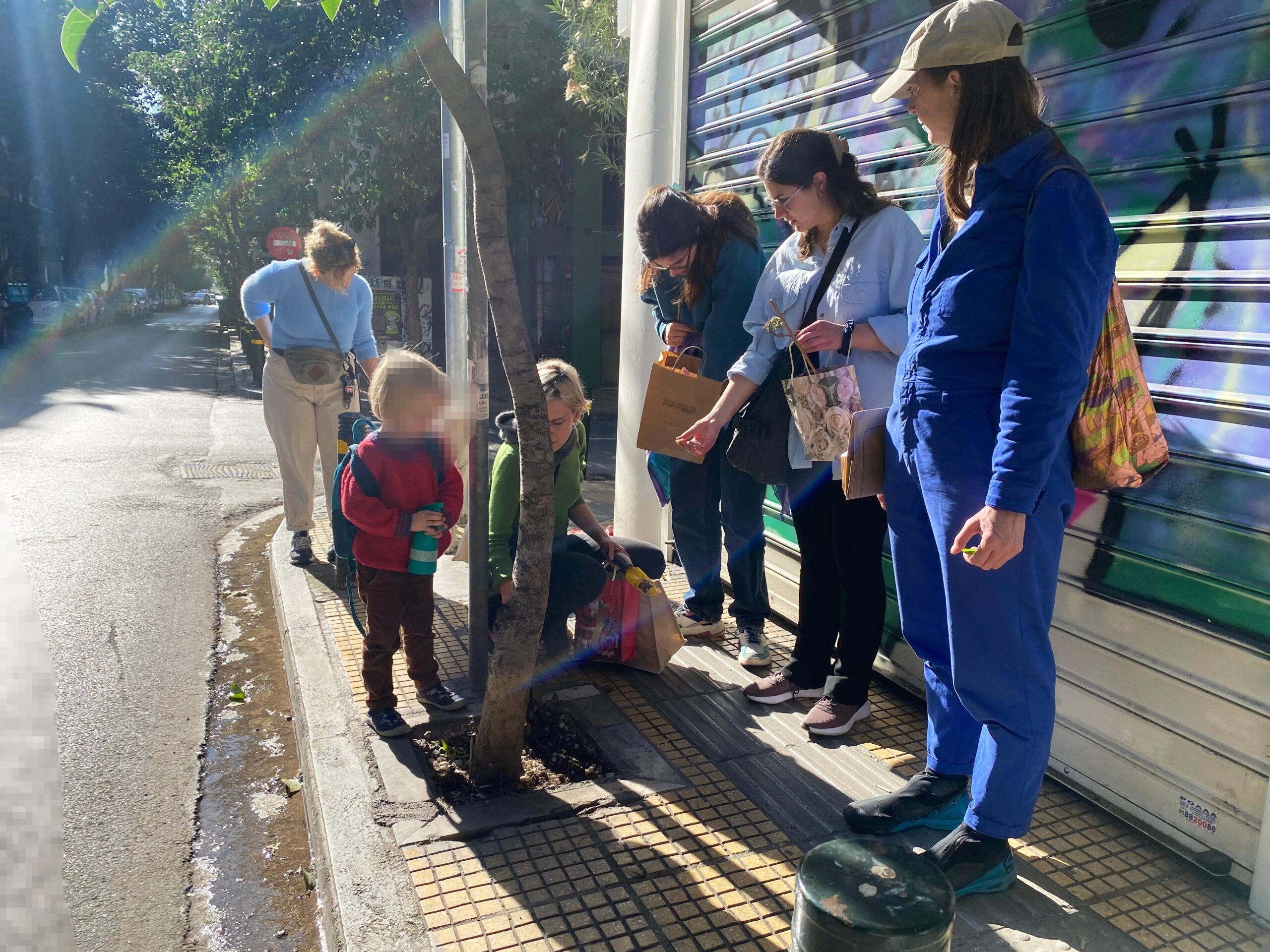
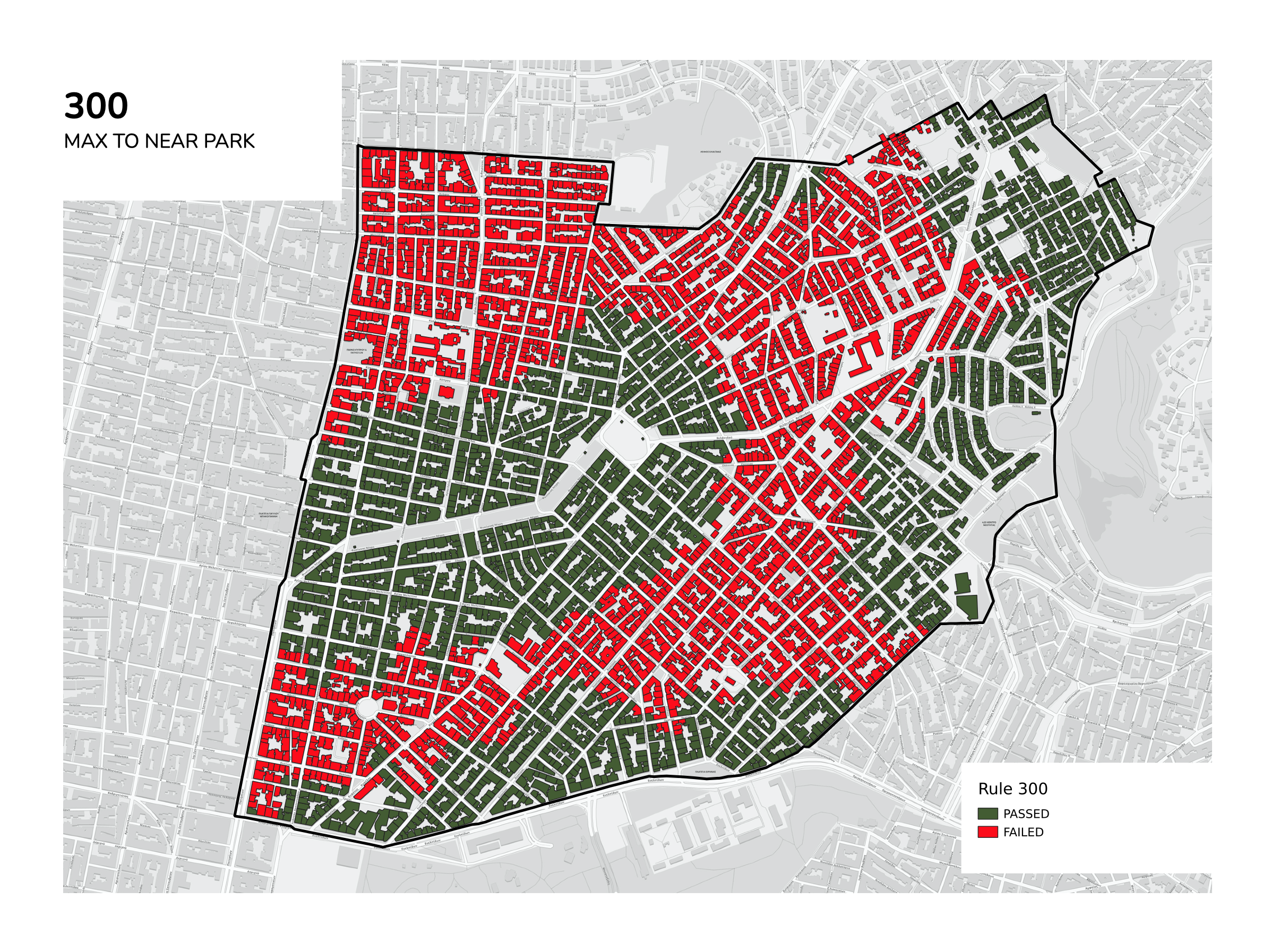
Many of these spaces have the potential to become green infrastructure. However, the research also uncovered complex land-ownership patterns, with many parcels in private hands and the Municipality lacking up-to-date records of its own properties. These findings highlight the need for coordinated and transparent land management. Green Kypseli aims to work within these complexities, advocating for these pockets of land to be reclaimed as community green spaces rather than being absorbed into further property development.
In response to the mapping findings, Green Kypseli is now collaborating with residents, the City of Athens, and local organisations to create the first community garden in central Athens—a space designed by citizens and for citizens. The garden will serve as an open learning hub where people of all ages can explore nature, gardening, and urban ecology, fostering both environmental stewardship and social connection.
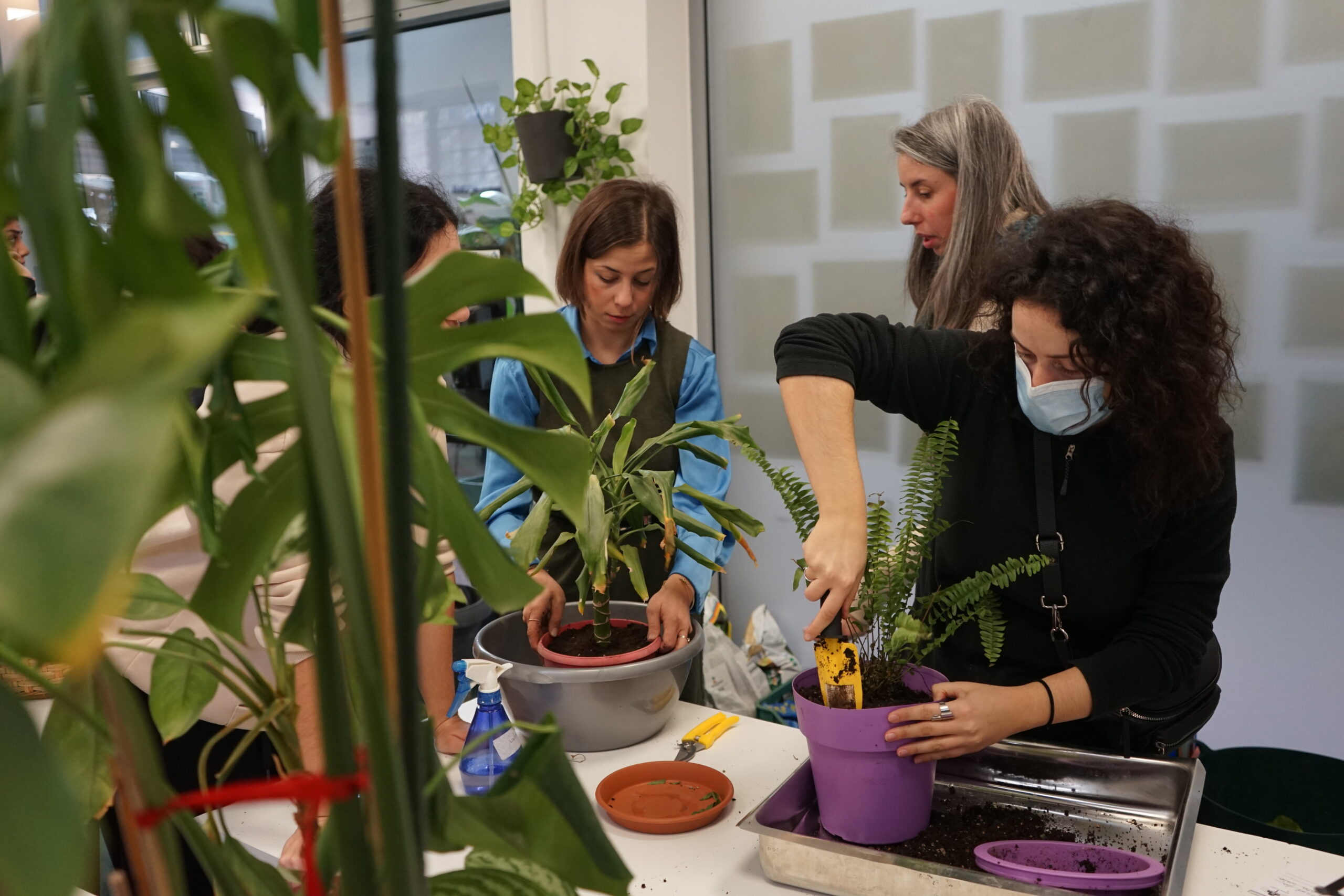
Circular economy and low-impact practices are central to the garden’s development. Green Kypseli has partnered with Hoko Crafts and Philodassiki to run plant-propagation workshops, enabling community members to multiply plant material for the garden rather than purchasing new plants. Seeds, plants, and recycled materials—such as fruit crates collected from local farmers’ markets—have been donated and repurposed. These actions reinforce the project’s commitment to community-led, low-waste urban regeneration.
Citizens also act as co-researchers. With guidance from the collective, community members collect data on temperature changes and personal well-being to demonstrate how small-scale greening efforts contribute to climate resilience and community health. These findings will be presented to the Municipality and wider stakeholders in the coming months.

Through the IMPETUS Accelerator, the team received mentoring, improved its project design and data-collection methods, and joined a supportive European network tackling similar urban challenges. The programme also provided the confidence and structure needed to scale the initiative beyond a single site.
Today, Green Kypseli is working to secure additional spaces for urban community gardens. These sites will continue to operate beyond the 2025 IMPETUS Accelerator. Ultimately, Green Kypseli aims to build a greener and more equitable city, grounded in the belief that small, community-driven actions can spark meaningful and lasting change.