
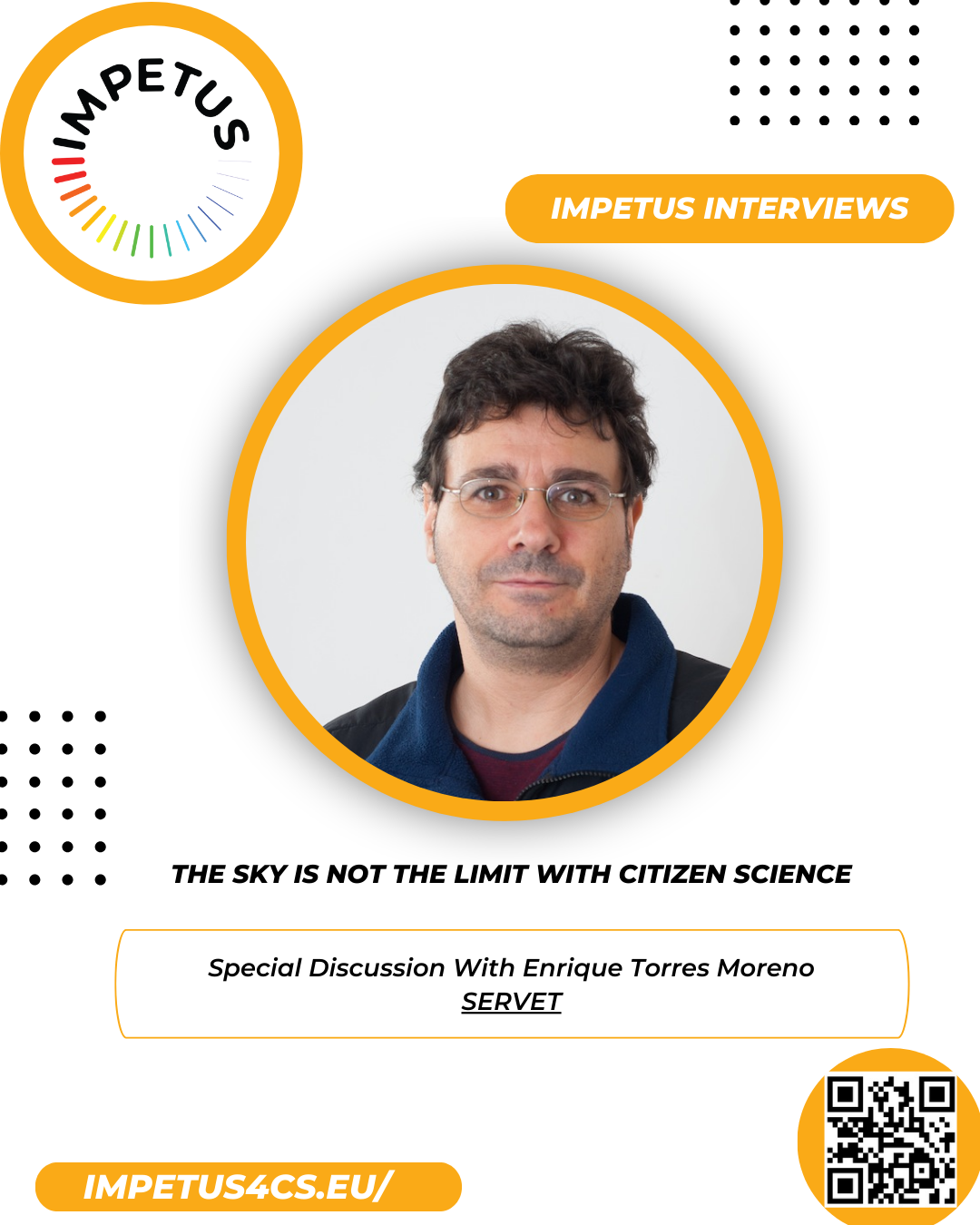
Interview with Enrique Torres Moreno, PhD – University of Zarago
Citizen science is often associated with on-the-ground observations or locally collected data. But what if ordinary citizens could take their experiments all the way to the edge of space? That is precisely the ambition behind SERVET: Citizen Science in the Stratosphere, an initiative led by Enrique Torres Moreno, PhD in Computer Engineering and lecturer at the University of Zaragoza.
Enrique is a member of the Computer Architecture Group of Zaragoza (gaZ), part of the University Institute of Engineering Research of Aragon (I3A), and has participated in numerous European, national, and regional research projects. A self-described maker by nature, he is motivated by the challenge of turning digital ideas into tangible, real-world artefacts, a philosophy that lies at the heart of SERVET.
Democratising Near-Space Exploration
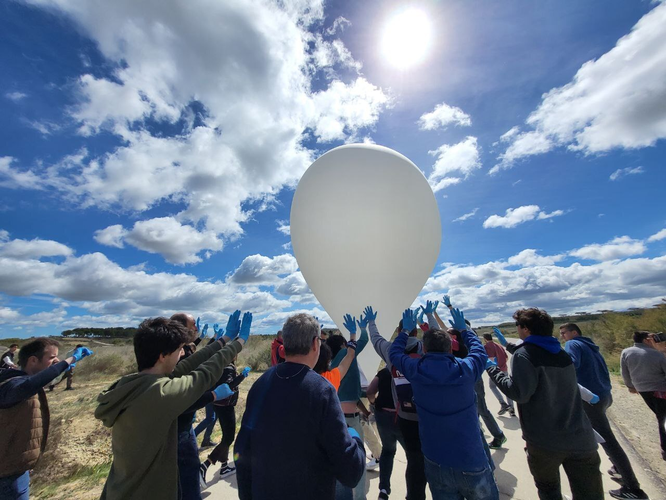
SERVET opens access to near-space environments, enabling citizens, schools, and communities to design and launch low-cost, high-altitude experiments reaching up to 40 kilometres above the Earth. These conditions are typically accessible only to professional researchers, yet SERVET brings them within reach of students, educators, artists, and curious citizens alike.
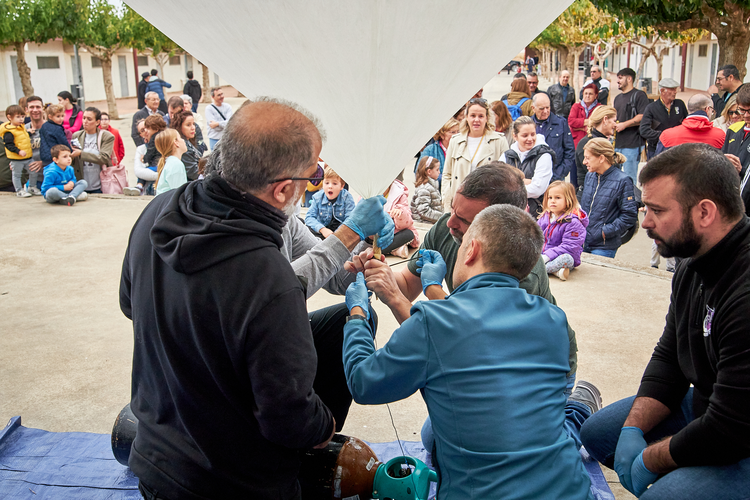
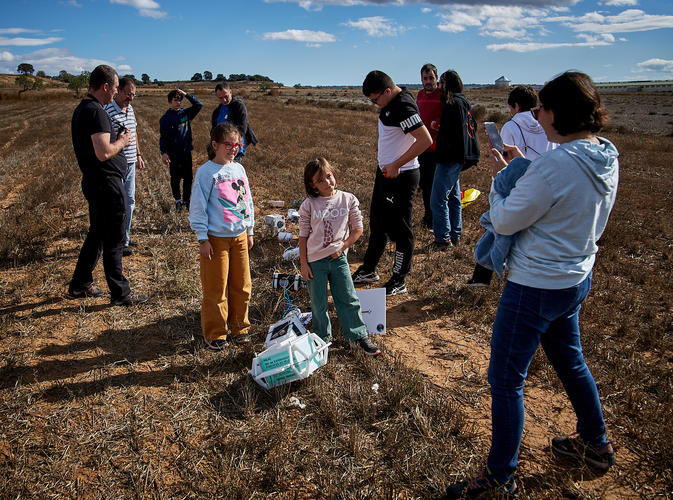
The initiative provides comprehensive technical support, including open hardware platforms, flight modelling, and balloon launch and recovery. Launches take place in rural towns, which are transformed into open-air science events, making research visible, accessible, and engaging for local audiences.
After recovery, participants analyse and share their data in line with FAIR principles, strengthening collaboration between schools, families, researchers, and institutions. To date, SERVET has involved hundreds of participants and partners, including Ibercivis, UNIZAR, FECYT, and local governments.
In recognition of its innovative approach to participatory research, SERVET received an honorary mention at the 2025 European Prize for Citizen Science, highlighting its contribution to democratising access to near-space exploration.
The Jury’s Assessment
The European Prize for Citizen Science jury highlighted SERVET’s long-term impact and participatory design:
“This project has created the infrastructure to make near-space exploration accessible to the public by launching experiments into the stratosphere using large helium balloons. Citizens can define their own research questions, while scientists help refine them and support data analysis. The jury appreciated that this project has been running for many years, engaging large numbers of participants and drawing inspiration from hacker community approaches.”
Watch the full IMPETUS Interview with Enrique Torres Moreno below: