
Project Description:
The Living Soils Lab is a citizen science initiative in Paris banlieues, dedicated to assessing urban soil health, especially on desealed and planted sites, while promoting the One Health approach, which recognises the interconnectedness of human, environmental, and community well-being. Collaborating with local residents from the community, the project combines hands-on soil testing and historic land use research to reveal the ecosystem services provided by living soils, such as carbon sequestration, water management, and climate regulation. The Living Soils Lab uniquely integrates art therapy within its CSI workshops, providing creative spaces for participants to process environmental challenges and foster emotional and climate resilience in vulnerable urban communities.
Project Type: Sustaining
Theme: Inclusion
Mentor: Claire Narraway

Living Soils Lab: a One Health approach to urban soils and communities
In the heart of Seine-Saint-Denis, one of France’s most densely populated and socially fragile departments, the Living Soils Lab brings together residents, researchers and artists to explore how caring for soil can also mean caring for people.
Over several months, the team organises small-group workshops in which participants learn to “read” soil through simple tests, including structure observation, pH strips, and plant indicators. These scientific activities are paired with art therapy sessions where participants decorate wooden sticks with paint and textiles under the guidance of art therapist Margaux Ribeaucourt. Her approach draws on Joanna Macy’s “Work That Reconnects” methodology, guiding participants through a process designed to release eco-anxiety and transform it into hope and collective action planning within the community.

Urban soils are a crucial but often overlooked foundation of climate resilience and public health. Healthy soils cool cities, absorb water, store carbon and support biodiversity, yet in many working-class suburbs, soils are sealed under concrete, polluted or overlooked in planning. Residents—especially women and young people—face vulnerabilities including heat islands, limited green space and scarce opportunities to influence environmental decisions. By engaging these residents as citizen scientists, the Living Soils Lab links environmental justice with mental well-being, cultivating community-driven stewardship of urban ecosystems.
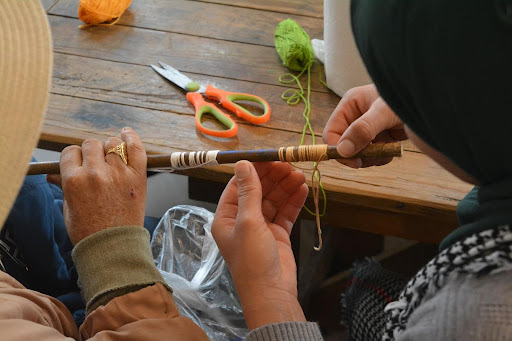
For many participants, the most meaningful moments emerged from combining scientific observation with reflective art therapy. Expressing eco-anxiety through calming tasks such as painting or carving felt liberating, offering a space to release emotions that are often difficult to articulate. This approach fostered new bonds among residents, who shared concerns about environmental health and were motivated to participate in future investigations and community actions.
”“When my hands were busy with paint and the wood stick, my fear about the future finally found a safe place—and that made me want to act, not just worry.”
As one participant noted.
Looking ahead, the Living Soils Lab will deepen and expand its work by developing an open-source toolkit for educators and community groups, and organising training sessions for adult educators to help them integrate citizen science and art therapy into their programmes. The team will also share findings with local authorities through a policy brief to support environmentally informed urban planning. In the longer term, the project aims to grow the living lab by inviting more artists and researchers to enrich the dialogue between citizen science and other disciplines, sustaining collaborative inquiry and collective community action.