
Project Description:
Oeiras Experimenta is a citizen science project based in Oeiras, Portugal, promoting sustainable agriculture through climate-resilient crops such as grass pea, sorghum, and dryland rice. Led by the ITQB NOVA and Oeiras Municipality Consortium under the Ciência + Cidadã Program, the project addresses critical issues including climate change, food security, and social inclusion. Through the IMPETUS Sustaining grant, it will actively involve citizen scientists in co-creating educational materials, training programs, and awareness initiatives aimed at fostering climate resilience, sustainability, and informed decision-making. A key innovative feature is the development of resources tailored to diverse community needs, enhancing inclusion and equity, particularly among underrepresented groups. Additionally, the project will bridge generational gaps and promote gender equity by engaging a broad range of stakeholders, including local communities, policymakers, researchers, artists, and chefs. Field research will continue at Oeiras Experimenta, while co-creation initiatives will promote greater public understanding and participation in sustainability and citizen science efforts.
Project Type: Sustaining
Theme:Resource Management
Mentor:Yaela Golumbic
Oeiras Experimenta: Co-Creating Climate-Resilient Food Futures
The Oeiras Experimenta Living Lab is an innovative citizen science initiative dedicated to studying and promoting crop species that are more resilient to climate change, particularly drought. Examples include grass pea, sorghum, millets, cereal hybrids and dryland rice.
The project is led through a collaboration between ITQB NOVA and the Oeiras Municipality within the Ciência + Cidadã programme. It brings together scientists, citizens and public authorities to explore sustainable agroecosystems in the historic Quinta de Cima do Marquês de Pombal.
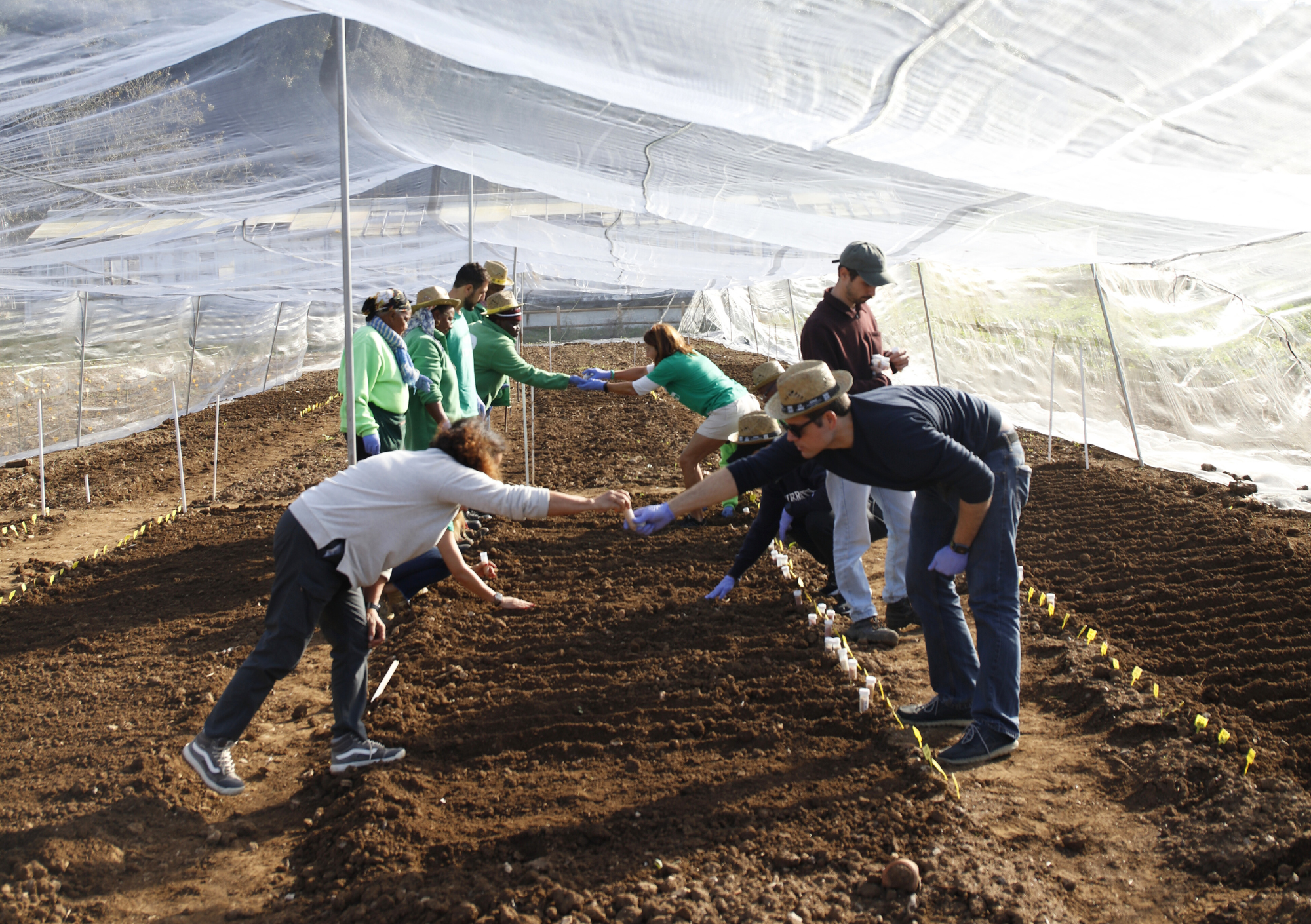
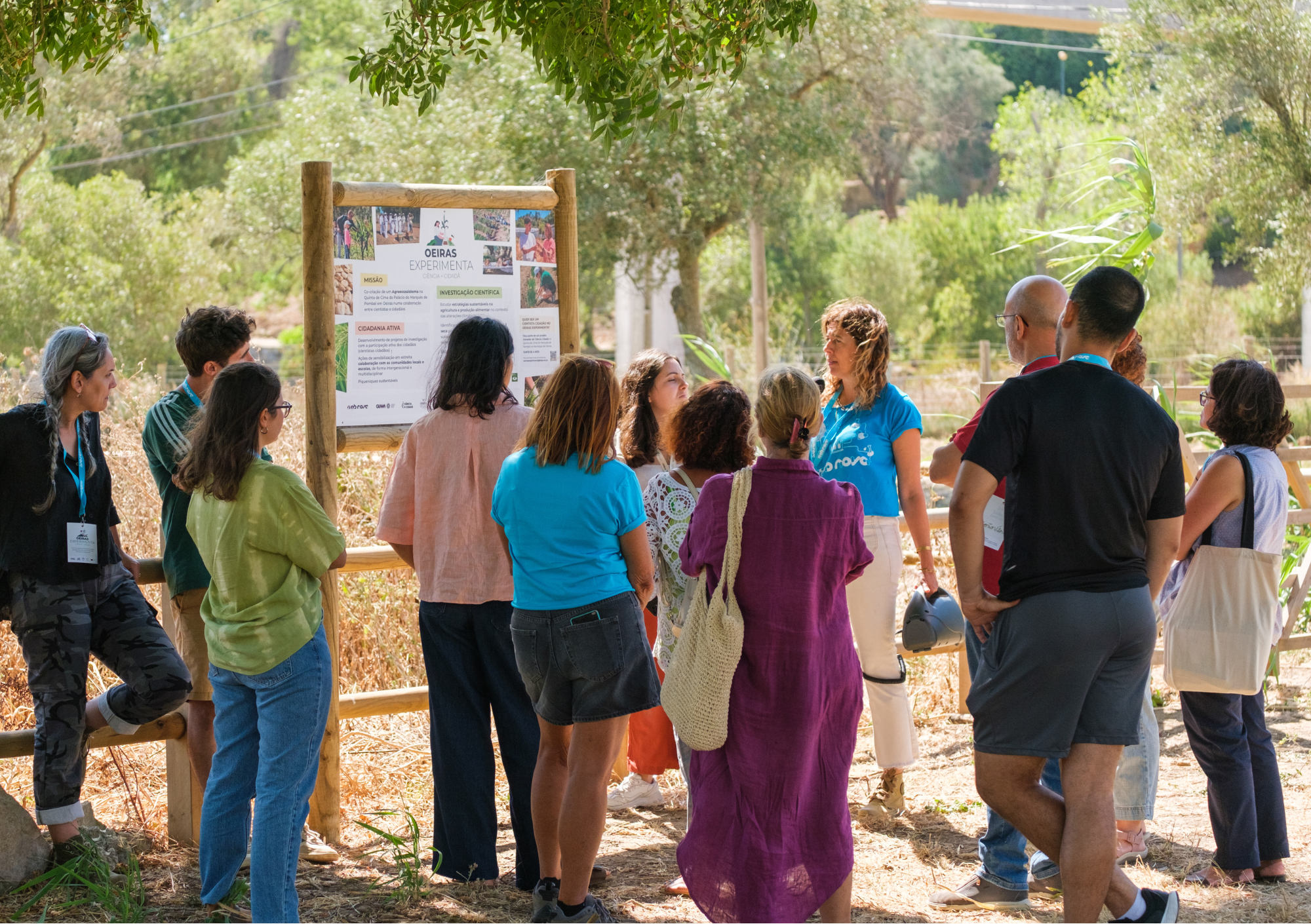
Three ITQB NOVA laboratories and twenty researchers are actively involved, generating scientific data on crop resilience to inform more sustainable food strategies. Citizens contribute to every stage of the research process. They help plan the work, sow and maintain the fields, monitor crops, collect and analyse data and take part in decision-making. These activities strengthen the co-creation of knowledge and increase the social relevance of the research. More than two thousand people from different generations and social groups have participated through hands-on research, guided visits, public events and collaborations with local organisations.
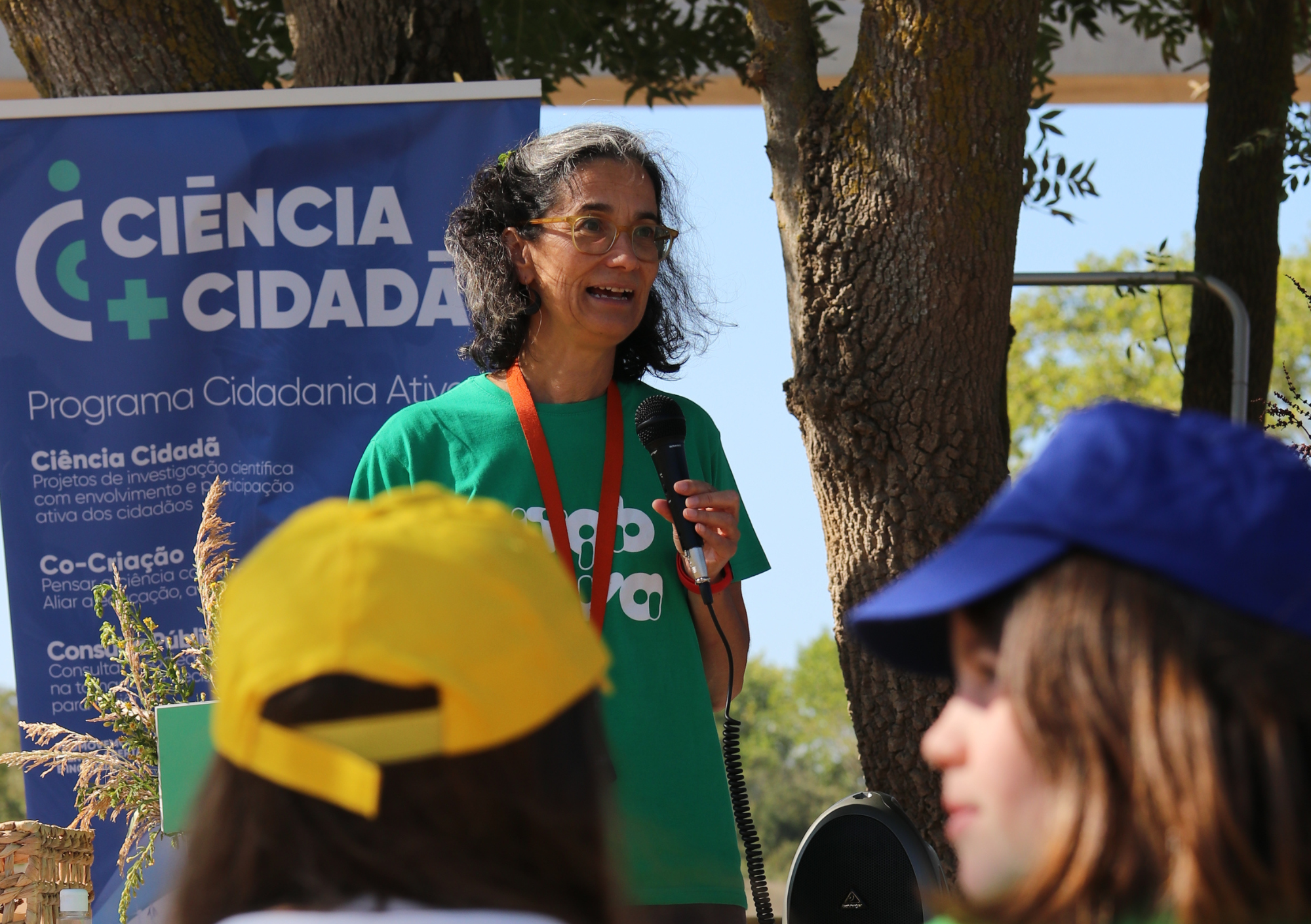
Oeiras Experimenta places particular emphasis on inclusion, equity and intergenerational collaboration. The team designs adapted materials for underrepresented groups. It applies the model in new contexts, including the Padre António Oliveira Juvenile Detention Centre (CEPAO) and the Bairro dos Navegadores social neighbourhood in Oeiras. As Sandra Borba from CEPAO noted, “Oeiras Experimenta made it possible to bring innovation to CEPAO through the idea of sustainability, expressed in differentiated food production, introducing a new dynamic to our youth.”
The initiative has received growing recognition, including an Honourable Mention at the European Union Prize for Citizen Science and the national ADN award from Universidade NOVA de Lisboa.
Support from the IMPETUS Programme, through both a Starting Grant and a Sustaining Grant, has been essential in expanding the project. The funding has strengthened outreach, supported the creation of inclusive materials and helped build a robust network of citizen scientists. Over a period of six months, more than seventy citizen scientists took part in seasonal fieldwork such as rice irrigation, sorghum harvesting, bean shelling, data collection and shared decision-making. They also acted as project ambassadors during visits, public events and recipe co-creation workshops. More than one thousand people joined participatory visits and more than two thousand encountered the project at events including European Researchers’ Night and the Oeiras Valley Science Festival.
Engagement also grew at CEPAO, where twenty-two students collaborated with scientists and creatives to develop a research plot, produce visual materials, create a grass pea burger, compose two songs and paint an urban art mural. At Bairro dos Navegadores, the project helped organise a community event featuring a co-created cachupa and live music with local musicians.
The forthcoming Oeiras Experimenta Sustainable Recipes Book will present imaginative dishes developed with citizen scientists and partners and will be distributed to all schools in Oeiras. Additional inclusive visual materials such as infographics, postcards and merchandise have also been created.
By uniting scientific research, community engagement and cultural creativity, Oeiras Experimenta is developing a scalable model for resilient and inclusive food systems. Future plans include advancing climate-resilient crop research, strengthening local food networks and raising public awareness about the importance of food security.