
Project Description:
The Osijek-Baranja Citizen Science Hub is a new platform that enables citizens in Eastern Croatia to take part in environmental monitoring and stewardship. Led by the Ospera Association, the project focuses on biodiversity, water, and soil quality in the Osijek-Baranja region, including the Kopački Rit Nature Park. Through field activities such as BioBlitz, PermaBlitz, and water testing (at Drava River), and supported by co-creation workshops, the Hub mobilises schools, families, students, and underrepresented groups. Participants will collect and interpret environmental data, co-design action plans, and contribute to policy dialogue. The Hub promotes inclusion, science literacy, and local ownership, and supports ongoing efforts to protect Kopački Rit, including the initiative for its designation as a National Park. It will serve as a model for regional citizen science, strengthening the link between communities and nature while contributing to EU environmental goals.
Project Type: Kick Starter
Theme: Resource Management
Mentor:Sasha Woods
Building Community Science in Eastern Croatia: The Osijek-Baranja Citizen Science Hub and Pannonian Rangers
The Osijek-Baranja Citizen Science Hub was established in 2025 as a new platform for empowering citizens to understand, monitor, and protect the natural environment of the Osijek-Baranja region in Croatia. Developed through the IMPETUS Accelerator programme, the Hub brings together nature enthusiasts, educators, local families, students, and environmental experts to co-create knowledge about soil, water, and biodiversity.
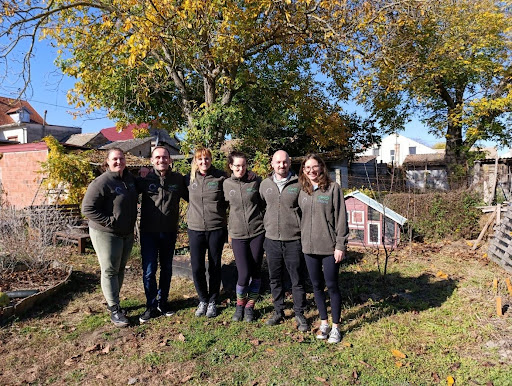
Within the Hub, our citizen science group is known as the Pannonian Rangers—a growing community of volunteer citizen scientists dedicated to exploring and safeguarding the landscapes of eastern Croatia. The project team is led by Matej Marušić (Hub Coordinator), supported by members of the OSPERA Association and partners from various local and regional institutions.
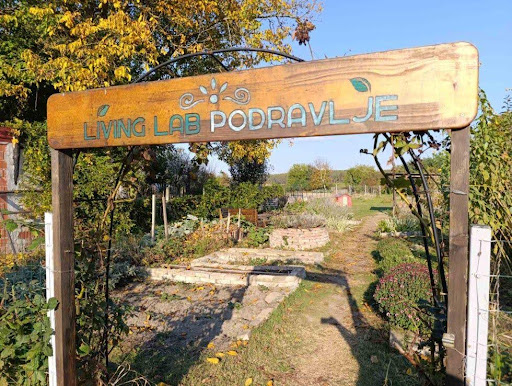
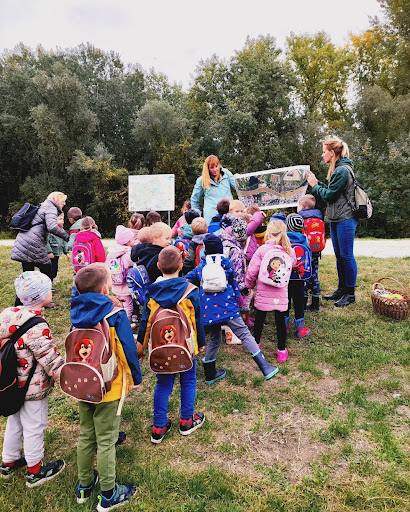
Field activities take place across several key locations, including Kopački rit Nature Park, the Drava River in Osijek, and OSPERA’s LIVING LAB Podravlje. Together, we designed practical monitoring tasks and programmes that enable citizens of all ages to meaningfully contribute to environmental data collection.
Our work focuses on three main themes:
Soil health: using simple field tests to observe soil structure, organic matter, and biological activity.
Beyond measurements, the Soil Working Group promotes sustainable agricultural practices inspired by permaculture design and conservation agriculture. During the project, we organised two PermaBlitz events where participants learned mulching techniques and created several types of raised garden beds.
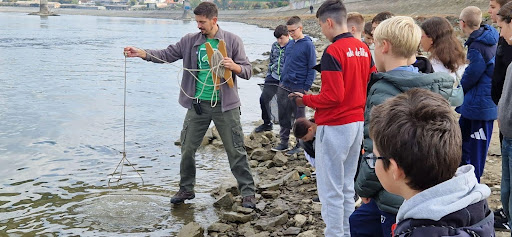
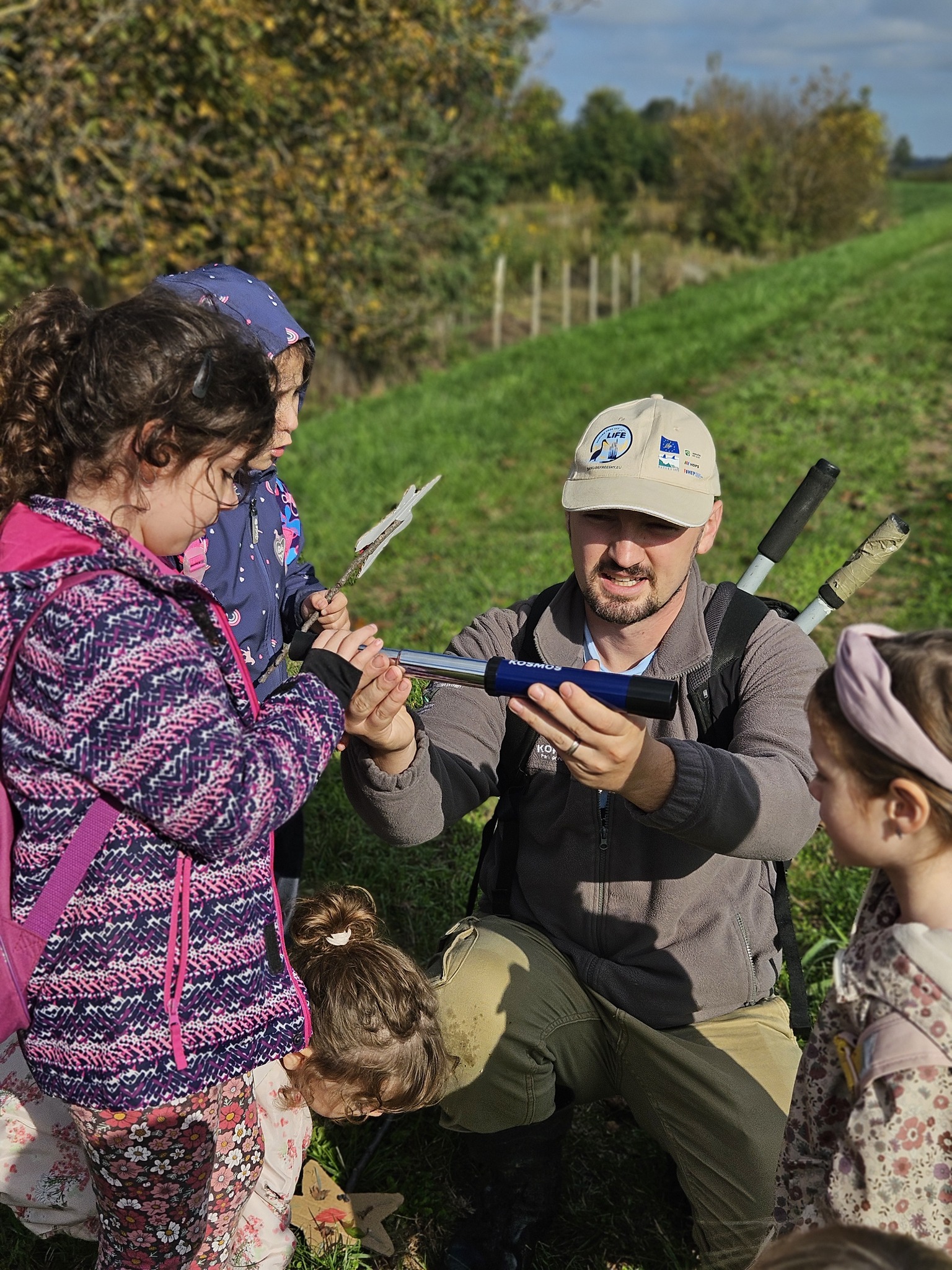
River water quality: measuring turbidity, pH, nitrate levels, and microplastics using community-friendly tools and the Drinkable Rivers methodology. Two field-testing campaigns were organised with elementary school teachers and students, introducing them to hands-on water quality monitoring.
Biodiversity: conducting bioblitz events and species identification using open citizen science platforms.
Through cooperation with biology students from the ZOA Association, we monitored invasive alien species and identified opportunities for future joint activities, such as the International Waterbird Census and the monitoring of protected or threatened species.
This initiative addresses a growing need for community-based environmental understanding in a region facing agricultural pressures, water pollution challenges, and biodiversity threats. Many residents feel deeply connected to their landscape but lack pathways to actively contribute to environmental knowledge or decision-making. The Pannonian Rangers help bridge this gap by transforming citizens into active observers and data contributors. At the same time, the Hub strengthens environmental literacy, builds trust between institutions and communities, and encourages long-term stewardship of natural resources.
The IMPETUS Accelerator provided essential support in shaping the Hub. With guidance from our excellent mentor, Sasha Woods (Earthwatch), and through capacity-building workshops, we improved our stakeholder engagement methods, communication strategies, and data-collection protocols. IMPETUS also helped us clarify our long-term vision and connect with a wider European network of citizen science practitioners.
This initiative addresses a growing need for community-based environmental understanding in a region facing agricultural pressures, water pollution challenges, and biodiversity threats. Many residents feel deeply connected to their landscape but lack pathways to actively contribute to environmental knowledge or decision-making. The Pannonian Rangers help bridge this gap by transforming citizens into active observers and data contributors. At the same time, the Hub strengthens environmental literacy, builds trust between institutions and communities, and encourages long-term stewardship of natural resources.
The IMPETUS Accelerator provided essential support in shaping the Hub. With guidance from our excellent mentor, Sasha Woods (Earthwatch), and through capacity-building workshops, we improved our stakeholder engagement methods, communication strategies, and data-collection protocols. IMPETUS also helped us clarify our long-term vision and connect with a wider European network of citizen science practitioners.
Looking ahead, the Osijek-Baranja Citizen Science Hub aims to grow into a permanent regional platform. We plan to expand the Pannonian Rangers community, collaborate more closely with schools, organise seasonal bioblitz events, and link our river monitoring activities with wider Danube Basin initiatives. A long-term ambition is to support efforts to designate Kopački rit as a National Park, backed by community-generated environmental insights.
As our Water Quality Working Group coordinator, Ivan Damjanović (35), reflected:
“During this project, I led a group of students in testing the water quality of the Drava River. We used Secchi discs, sensors, and strips to detect various substances. It was a great opportunity to show students what real fieldwork looks like, to explain why water quality matters for all of us, and to simply get them outside. I believe they will remember this experience far better than most of their classroom lessons.”