
Project Description:
This project takes a citizen science approach, actively involving parents of children with autism spectrum disorder (ASD) in the design of research on nutrition and feeding challenges. The aim is to identify the specific eating habits of children with ASD and, with the help of scientific findings, to improve these habits and gradually improve overall well-being. Parents will be trained in evidence-based nutrition and given practical tools to observe and better understand their child’s eating behaviour. Through food diaries kept by parents, the project collects important data on eating habits, food sensitivities and difficulties at mealtimes. This data will be analysed alongside the families to identify common challenges and inform future research. The key findings will be summarised in a “Nutritional Guidance Report, ” which serves as the basis for developing tailored, science-based nutritional strategies. By combining families’ lived experience with scientific methods, the project aims to inform future policy and promote long-term, evidence-based improvements in the nutrition and care of people with ASD.
Project Type: Kickstarting
Theme: Public Trust, Education and Empowerment
Mentor: Jane Prophet
Nurturing Understanding: PaSTINCA and the Role of Nutrition in Autism
Nutrition is a critical yet often underappreciated component of autism care. Many autistic children experience selective eating, sensory discomfort, or challenges that lead to under- or overeating. The citizen science project PaSTINCA brought together parents, researchers, clinicians, and autism advocates to explore how nutrition shapes the daily lives and well-being of children on the autism spectrum. The initiative took place in Belgrade, Serbia, and united a multidisciplinary team of neurobiologists, psychiatrists, nutritionists, therapists, and families.
PaSTINCA was designed to empower parents to interpret their children’s eating behaviours better while helping researchers focus on practical, real-world questions. Throughout the project, participants highlighted that shared learning between families and experts was one of its most meaningful outcomes.

Four interactive workshops created a safe, supportive space for parents and professionals to share experiences with everyday nutritional challenges. Parents documented their children’s eating habits and mealtime behaviours over seven days using food diaries, giving families insight into nutritional intake and individual preferences. Discussions with psychiatrists, dietitians, and therapists provided practical strategies for improving feeding behaviour, while parents valued the opportunity to be heard and validated. The workshops also revealed broader systemic issues, including limited support in schools and kindergartens and uncertainty around how families can access nutritional guidance within the Serbian healthcare system.
A public seminar, “Autism and Nutrition: Different Perspectives, a Shared Mission,” explored scientific and clinical findings on the role of diet and gut microbiota in behaviour and cognition, immune mechanisms in autism, the impact of nutrition on development and daily functioning, and tailored behavioural approaches to feeding difficulties. These insights, together with the outcomes from the workshops, will form the basis of the project’s upcoming report, “Key Insights for the ASD Nutrition Landscape.”
Support from the IMPETUS Accelerator provided more than funding. Mentorship and training helped the team apply citizen science principles, design ethical data-collection tools, identify meaningful data, and plan for long-term societal impact. The programme reinforced an important lesson: scientific knowledge is most impactful when shaped in partnership with those who experience the issue every day.
Next steps for PaSTINCA include:
-
delivering workshops for kindergarten and school staff to raise awareness of sensory-based eating and strengthen communication with families
-
developing a digital platform featuring a parent-facing nutrition tracking app and a clinician interface for personalised feedback
-
expanding the initiative to additional cities in Serbia and neighbouring countries
-
extending research to examine nutrition in other neurodivergent conditions such as ADHD and Tourette syndrome
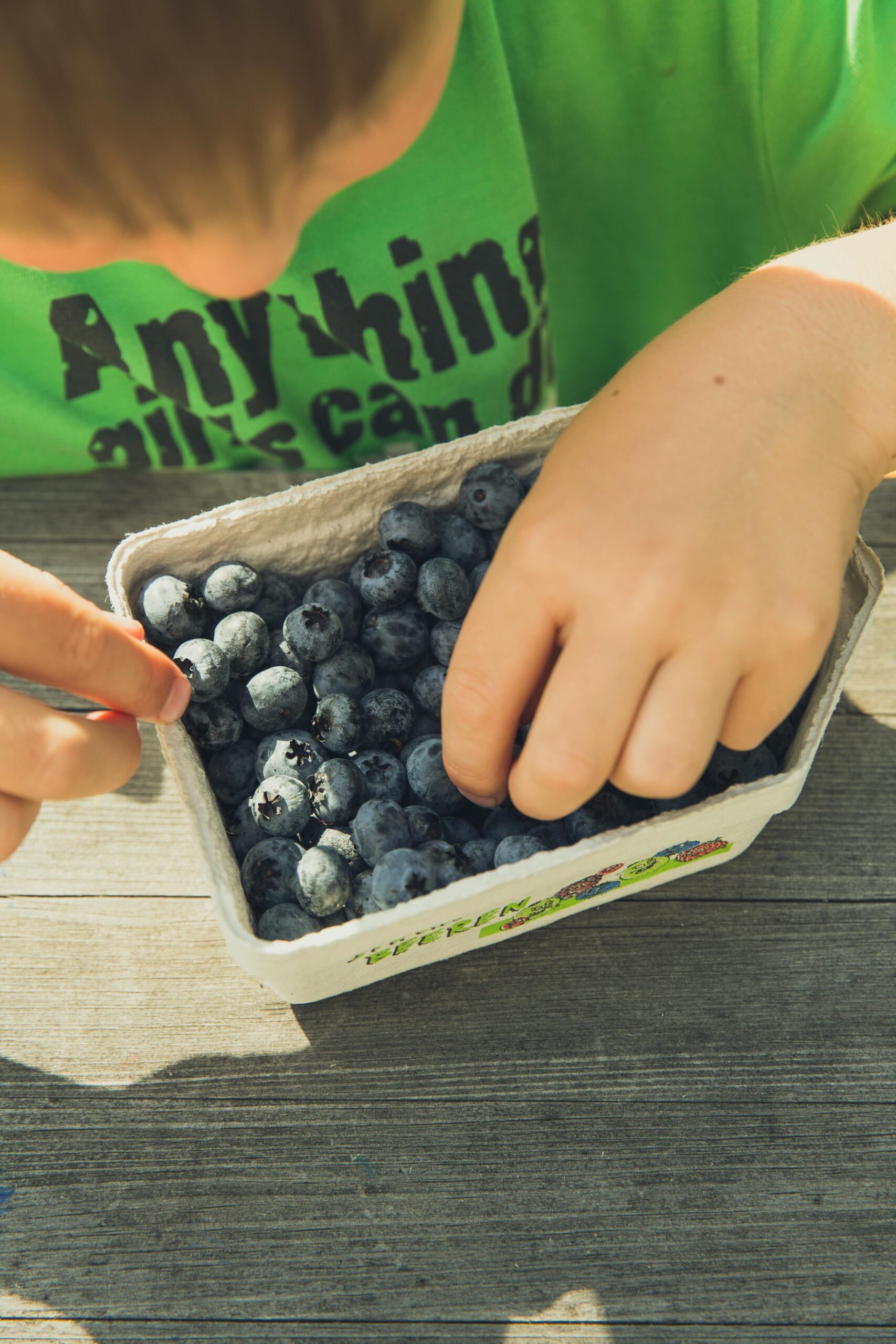
PaSTINCA began as an effort to teach parents about nutrition, but it evolved into a collaborative learning community where parents became co-researchers and scientists became listeners. Together, participants affirmed that improving nutrition for autistic children begins with understanding not only what they eat, but how they experience food.