
Project Description:
In this second phase of RE-TASTY, the aim is three-fold: Firstly, aiming to reach different cultural and educational environments, RE-TASTY will be implemented with secondary students in Cyprus (the first phase was implemented in the Netherlands). The students will use the Whole School Approach to focus on the food-related footprint of their school. Secondly, aiming to increase the bottom-up character of the project, we would like to investigate more deeply, through student focus groups, the specific concerns and perspectives of the students on the topic of food sustainability. Thirdly, the project aims to increase its connection with the school communities by enhancing its communication and dissemination activities. We are hoping to bring RE-TASTY closer to students, teachers, school management, and other school-related stakeholders.
Project Type: Sustaining
Theme: Public Trust, Education and Empowerment
Mentor:Patricia Barciela

RE-TASTY: A citizen science project on school food systems
RE-TASTY, which stands for Research–Transformative Actions for Sustainability Together with Youth, supports secondary schools in reimagining their food systems to become healthier and more sustainable, in full partnership with the young people they serve. The initiative began in 2024 with support from the IMPETUS Accelerator and, in 2025, received a second round of funding through an IMPETUS sustaining grant.
The second phase of RE-TASTY had two main goals: to explore in greater depth the challenges, needs and ideas of secondary school students in the Netherlands regarding their school food environment, and to design and test a new carbon foodprint monitoring tool in schools in Cyprus.
In the Netherlands, the team carried out focus groups with students of different ages. Young people shared their perspectives on school food environments, identified obstacles they face in making healthy choices, and offered suggestions for how RE-TASTY could evolve. A thematic analysis of these discussions helped refine the project’s future direction.
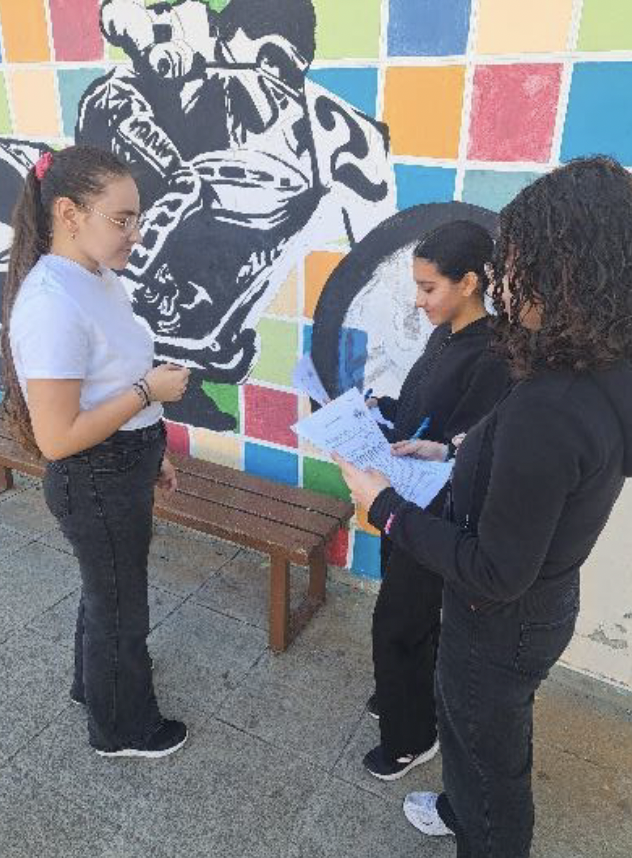
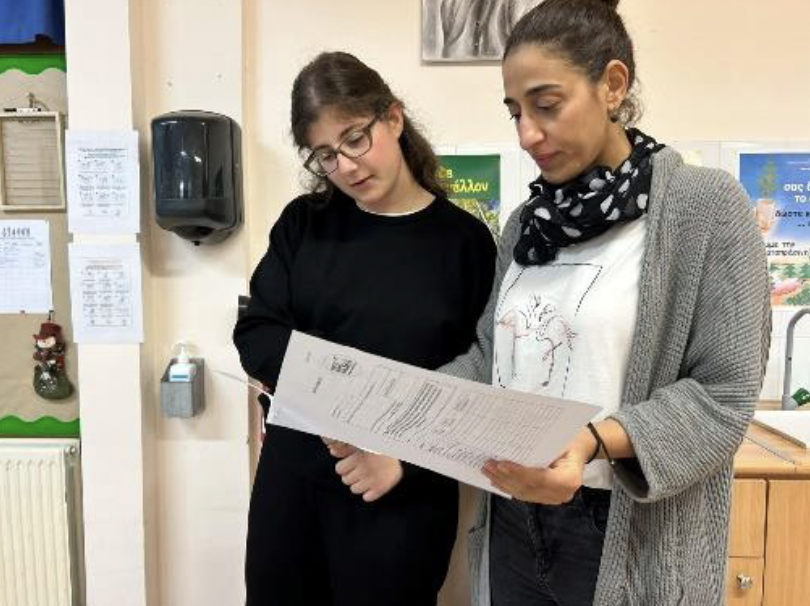
In Cyprus, students from several secondary schools co-developed a tool to measure the carbon footprint of their school’s food consumption. Working alongside their teachers, they helped create and pilot a food diary as the main data collection instrument. They then gathered information from fellow students and school staff and used a calculation tool developed by RE-TASTY to quantify their school’s carbon footprint.
The IMPETUS sustaining grant played an essential role by enabling the team to involve students directly in shaping the research questions and future pathways of RE-TASTY. It also supported the co-creation of a school carbon foodprint tool that is now available for use by other schools. Throughout the project, IMPETUS provided valuable knowledge, mentoring and guidance.
Looking ahead, the RE-TASTY team aims to collaborate with local stakeholders across Europe who work in education, sustainability and citizen science. They are exploring synergies with other initiatives focused on food education and sustainable food systems, with the goal of involving more students and schools and continuing to create meaningful impact for science and society.