
Project Description:
TSCI-FI(T) (Science For Inclusion Two) is an inclusive citizen science initiative that brings together marginalised communities, sustainable agriculture, and digital innovation. Building on the success of a previous pilot, the project engages individuals with disabilities and mental health challenges, as well as rural farmers, in hands-on environmental monitoring, participatory research, and creative science communication. Through workshops, digital training, and storytelling, participants gain skills in data collection, visualisation, and sustainable farming practices. A key feature is the co-designed sensorial garden – an interactive, multisensory space that transforms environmental data into engaging installations, making science accessible to all. SCIFI(T) addresses key societal challenges by promoting social integration, digital inclusion, and climate resilience. It fosters long-term engagement through peer mentorship and the creation of open-access tools and resources. By valuing each participant’s unique contribution, SCI-FI(T) demonstrates how citizen science can be radically inclusive, empowering underrepresented voices and building stronger, more sustainable communities.
Project Type: Kickstarter
Theme: Disaster Resilience
Mentor: Claire Narraway
Where Agriculture Meets Inclusion: The Evolving Story of the SCI-FI Project
This year, the SCI-FI project entered a new phase of growth. Thanks to the continued support of the IMPETUS programme—which has provided mentoring, training, and the resources needed to develop new ideas—the project has evolved while remaining firmly rooted in its participatory and inclusive approach. After last year’s work installing weather stations, learning to interpret environmental data, illustrating scientific information, and staging a theatrical performance, this new season focused on expanding the variety and richness of activities.
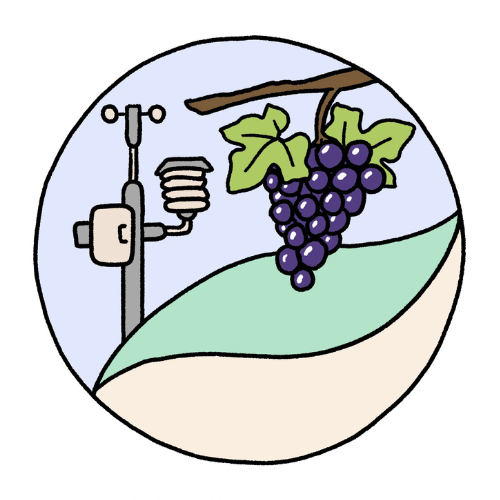
The digital platform connected to the meteorological station remained at the centre of the work. Participants continued to consult it regularly, tracking changes in environmental variables and the pathogen outcomes predicted by the models. This ongoing engagement with data inspired many of the initiatives carried out during the year. One example is the local bulletin created by the group, which combined agronomic observations, weather patterns, and stories from daily life on the farm. It became a collective space for reflection—on what was unfolding in the fields and, for the young participants facing mental health challenges, a process that strengthened confidence and a sense of agency.

One of the most significant developments was the idea of creating a sensory garden. This concept emerged directly from the participants, who envisioned a place reflecting their needs and ways of perceiving the world. With support from an artist, the sensory path introduced a new dimension to data collection: it encouraged participants to gather information through embodied experience, linking subjective perceptions with the macro-data coming from the field sensors.
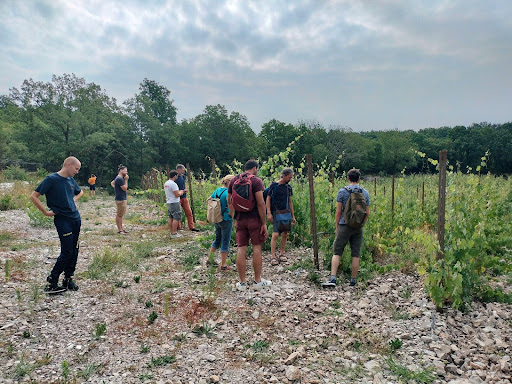
Another achievement of the project was expanding its network of farmers. Thanks to activities hosted in Colloredo, collaborations with cultural events such as the Mimesis Philosophy Festival, and the distribution of the local bulletin, the project reached vineyards in the Collio hills, farms on the Karst near Trieste, and several small agricultural communities in the surrounding area. This expansion was strengthened by new partnerships with the agricultural enterprise Terra e Natura in Trieste—where the group exchanged practices on the use of new technologies and inclusive work processes—and with Campoinfiore Flower Farm in Udine.
SCI-FI’s strength lies in its circular movement: ideas emerge from the people, take shape as actions in the fields, return as shared knowledge, and then inspire new ideas. What began with a weather station has become a community capable of imagining spaces, interpreting data, and building stories that bring agriculture, science, and social care together.
The project has already attracted interest and may grow into a transnational initiative, potentially forming the basis of a shared proposal for the next Erasmus+ call. This year has shown that when different forms of fragility and expertise meet in an atmosphere of trust, new and unexpected forms of resilience, beauty, and understanding can grow—just like the plants surrounding the farm itself.