
Project Description:
How does the air we breathe indoors relate to the environment outside? SCoolAir is a hands-on citizen science project that turns students into scientists, uncovering the hidden relationships between outdoor and indoor microclimates. By combining scientific measurements with participatory self-tracking, the project makes air quality, temperature, and comfort tangible. Students and teachers work together to collect real-world data, helping researchers validate air dispersion models and study how environmental conditions affect well-being. Through a specially designed curriculum by teachers and researchers, students learn about sensor technology, environmental science, and the impacts of air quality on health. They don’t just observe; they build, measure, and analyse, fostering a deeper connection to their surroundings. The project also creates a blueprint for other schools. By making the invisible visible, SCoolAir inspires the next generations to take care of the air we breathe.
Project Type: Kickstarter
Theme: Public Trust, Education and Empowerment
Mentor: Ilidio Andre
Engaging Students in Air Quality Monitoring and Scientific Inquiry
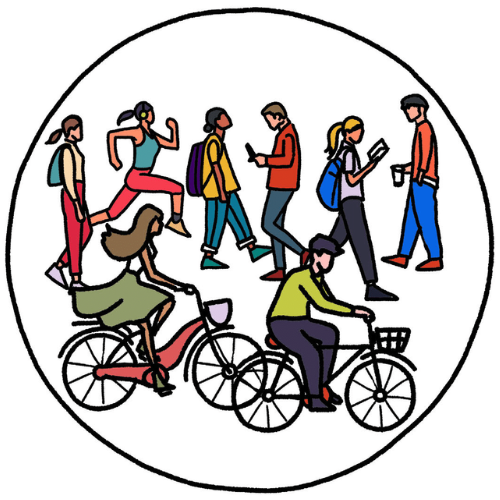
SCoolAir is a citizen science project that engages secondary school students in measuring indoor and outdoor air quality around their classrooms. University researchers provide the necessary sensors and introduce students to key scientific practices, including measurement techniques, modelling, and data validation. Students and teachers then take responsibility for monitoring the air-quality sensors and for formulating hypotheses about what might influence air quality. They also explore how air quality might affect them and the school environment, particularly their perceived personal well-being.
To investigate these questions, students identify indicators they believe may be correlated with air quality, gather measurements and use data visualisation to evaluate whether their hypotheses hold true. This hands-on process encourages them to think critically about the factors shaping their surroundings, whether related to building ventilation, weather conditions, classroom occupancy or car traffic. Through these activities, classrooms become small laboratories where particulate matter and CO2 levels can be observed, analysed and interpreted in real time.
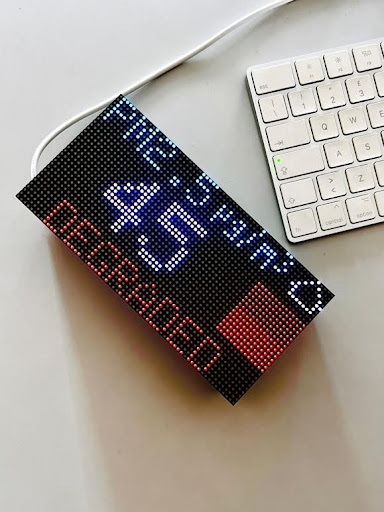
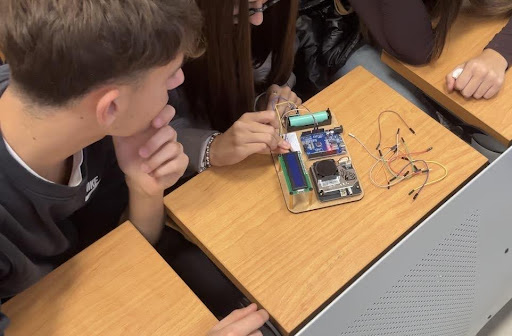
The project takes place in Torino, a city with significant pollution challenges. Here, the pursuit of cleaner air is not only a scientific issue but also a matter tied to collective well-being, municipal policy and everyday choices. Within this context, SCoolAir aims not only to collect data that may be scientifically valuable for understanding the relationship between urban microclimates and school environments, but also to position air quality as a broader educational theme.
The exchange between academic researchers and citizen scientists goes far beyond data collection. It fosters deeper reflection on how the environmental issue under study can become meaningful in the daily lives of young people, and how scientific inquiry can be shaped around the needs and perspectives of the communities it serves. This became particularly evident when, even before receiving instructions on sensor placement, students began suggesting locations based on their curiosity about specific and meaningful places in their school environment, such as hallways, courtyards and common gathering spots. Their initiative revealed a natural desire to explore and understand the environmental dynamics of the spaces they inhabit. It also showed how active involvement can strengthen motivation for scientific thinking. This type of interaction suggests a promising model for future relationships between science and citizenship, grounded in participation, curiosity and shared responsibility.
SCoolAir is a potentially replicable educational programme that can be integrated into a wide range of subjects beyond natural sciences, including mathematics, graphic design, technology and civics. Its interdisciplinary nature makes it suitable for other schools and cities, offering a flexible approach that can enhance different curricula. Ultimately, SCoolAir provides an opportunity to learn the scientific method collaboratively, to practice civic engagement and to recognise how informed action can contribute to the well-being of communities.