
Project Description:
We are Soil Sentinel, a citizen science initiative that empowers farmers to take an active role in monitoring soil health and supporting the sustainable use of sewage sludge in agriculture. In response to Serbia’s growing need for environmentally responsible sludge management, we train farmers to collect reliable soil samples and understand the conditions required for safe sludge application. Working alongside researchers and laboratories, farmers contribute real-world data that informs both agricultural practices and national policy. By comparing farmer-collected and expert-collected samples, the project ensures data quality while building local capacity. We focus on promoting circular-economy principles, reducing waste, and improving soil fertility, especially on smallholder farms. Through open-access tools, training materials, and inclusive workshops, Soil Sentinel bridges the gap between science, policy, and rural communities. Together, we are creating a transparent, cost-effective, and community-driven approach to environmental monitoring and sustainable land management. Healthy soil, informed farmers, and safer food systems start here.
Project Type: Kickstarter
Theme: Resource Management
Mentor: Claire Narraway

Empowering farmers to shape a sustainable soil future
Soil Sentinel is a citizen science initiative launched by the University of Novi Sad, Faculty of Sciences (UNSPMF), to support sustainable sewage sludge management and soil health assessment across the Autonomous Province of Vojvodina, Serbia’s largest agricultural region. Led by a multidisciplinary team, the project places farmers at the centre of soil monitoring—transforming them from data users into data producers.
What did we do—and where?
Serbia faces a rapidly growing challenge: wastewater treatment infrastructure is expanding, and sewage sludge volumes are projected to increase more than tenfold. Yet outdated or incomplete soil data, high testing costs, and limited farmer awareness make it difficult to explore safe and circular pathways for using treated sludge and its derivatives, such as compost or biochar.
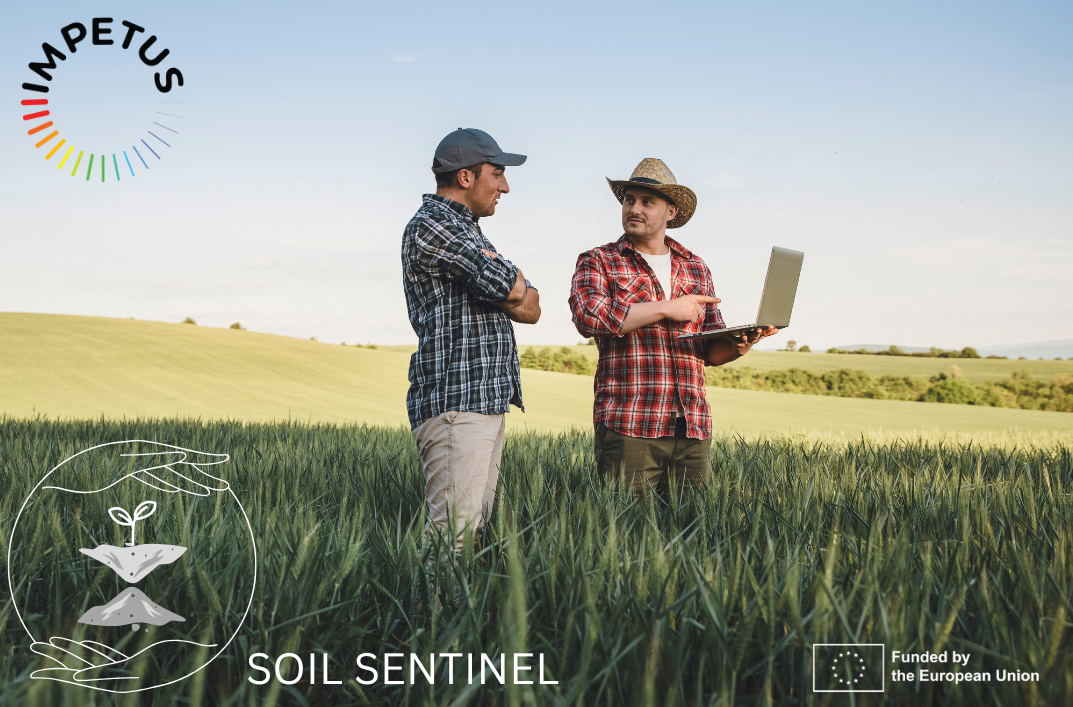
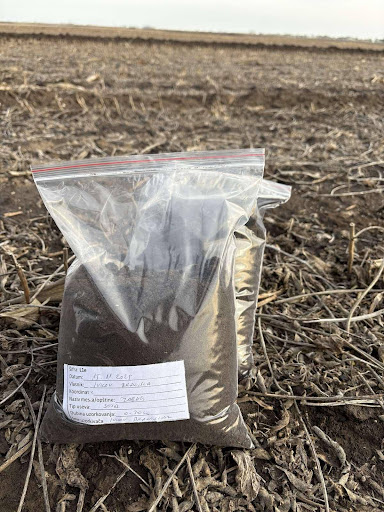
To address this gap, Soil Sentinel works with farmers across Vojvodina as citizen scientists. The project trains them to collect reliable soil samples from their own farms using standardised protocols. After training, farmers and experts collect parallel samples, which are then analysed in an accredited laboratory for key indicators of soil fertility and potential environmental risks. This dual-sampling approach enables the team to assess the accuracy of farmer-led sampling while generating up-to-date soil data.
Why is this important?
Using sewage sludge safely in agriculture supports the circular economy by returning nutrients and organic matter to the soil instead of sending them to landfills. But this is only possible when soil conditions are properly monitored and when farmers are informed and confident partners in the process.
Soil Sentinel helps overcome major barriers:
-
High testing costs: Training farmers can reduce soil analysis costs by up to 50%.
-
Low awareness: Most farmers in Serbia have never heard of the potential for using treated sludge in agriculture.
-
Policy requirements: National strategies mandate soil testing before sludge application, yet practical tools and support for farmers remain limited.
The project not only generates data but also builds trust, confidence, and practical skills among farmers—supporting safer, science-based decisions.
How IMPETUS helped us grow
The IMPETUS Accelerator provided essential support in shaping and launching Soil Sentinel. Through training and mentoring, the team strengthened its citizen science methodology, engagement strategies, and impact assessment framework. IMPETUS also supported the development of an open-access Soil Sampling Manual, written in farmer-friendly language with step-by-step instructions and visual guides.
Most importantly, the Accelerator enabled the team to refine its future policy outreach and long-term strategy.
What’s next?
Soil Sentinel aims to grow beyond the pilot phase. The long-term vision is a farmer-led soil monitoring network spanning Serbia and the Western Balkans. The team plans to integrate the approach into ongoing EU-funded projects, strengthen partnerships with cooperatives and wastewater utilities, and make all training materials publicly available.
As one participating farmer shared:
”“Farmers are eager to learn when they see clear benefits—and Soil Sentinel gives them the tools to take control of their soil.”

By turning farmers into environmental stewards, Soil Sentinel paves the way for safer soils, stronger rural communities, and a genuinely circular future for waste and resources.