

Project Description:
SOS Heater is a Citizen Science initiative based in Portugal that researches low-energy heating technologies and energy-efficient practices to address energy poverty and promote accessible, sustainable home heating. Led by the social innovation lab Low-Tech 4 Impact, in partnership with the Faculty of Fine Arts of the University of Lisbon, the project blends participatory technological research with impact-driven methodologies, involving students, makers, refugees, and residents seeking to reduce their energy costs. Activities include student-led design challenges, hands-on heater construction workshops, community repair events, and collaborative testing in real homes. With a focus on collaboration and inclusivity, SOS Heater goes beyond providing a practical solution to cold housing. It fosters skill-building, awareness of social and environmental challenges, and the democratisation of science, empowering communities to help shape the technologies that improve their lives. Their vision?
Co-creating a world where a warm home is neither a luxury nor a burden on the planet.
Project Type: Sustaining
Theme: Infrastructure
Mentor: Kat Austen

SOS Heater: Citizen Science for Warmer Homes
SOS Heater is a citizen science initiative based in Portugal that researches low-energy heating technologies and energy-efficient practices to tackle energy poverty and promote accessible, sustainable home heating. The project is led by the social innovation lab Low Tech 4 Impact, in collaboration with students and researchers from the University of Lisbon’s Faculty of Fine Arts and Faculty of Sciences. It is supported by a growing community of citizen scientists, including makers, designers, residents seeking to reduce energy costs, and refugees.
What we did and where we worked
Project activities take place mainly in Lisbon’s maker spaces, universities and alternative community settings such as Jardins do Bombarda. The team researches and tests new heating technologies that operate with very low energy consumption.
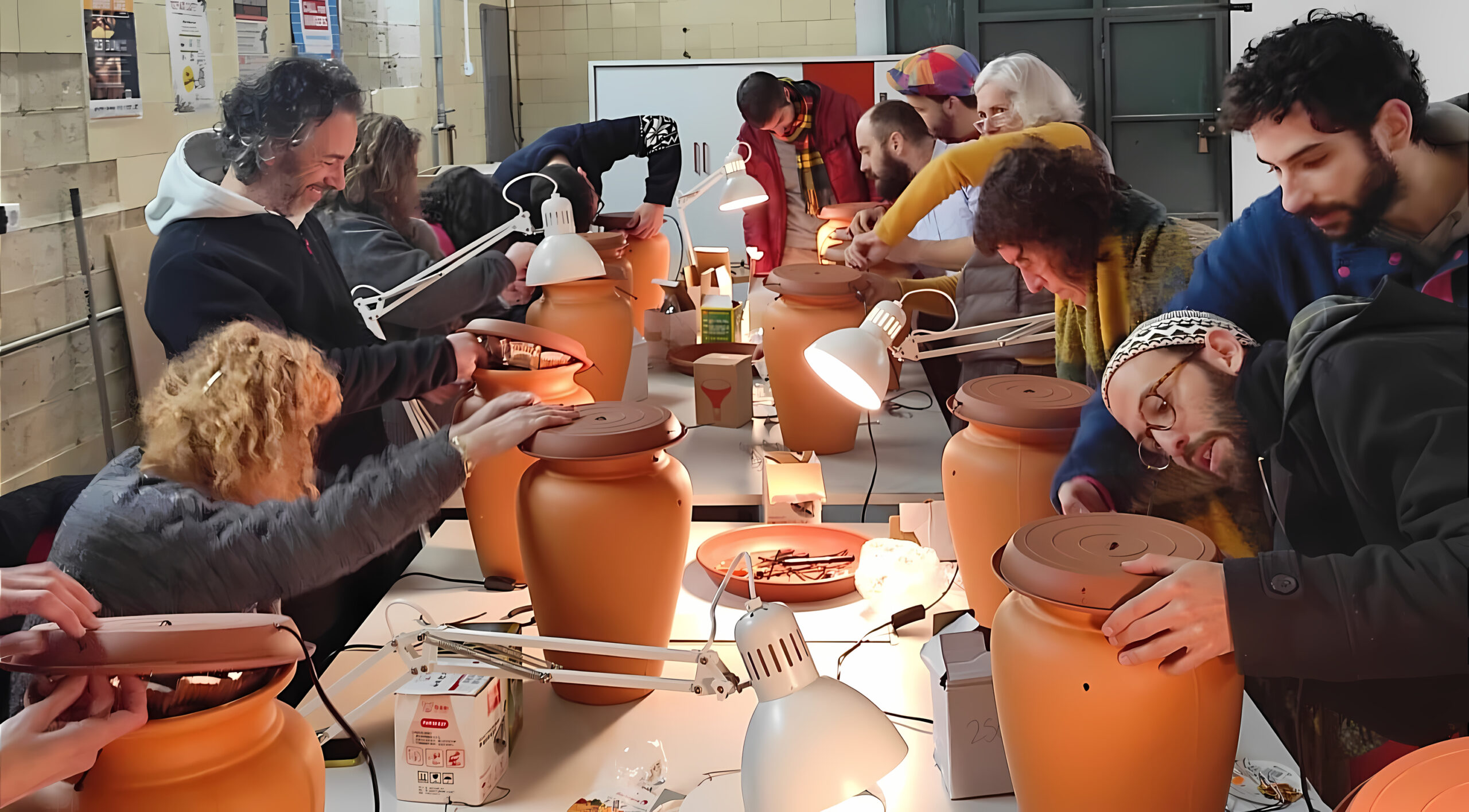
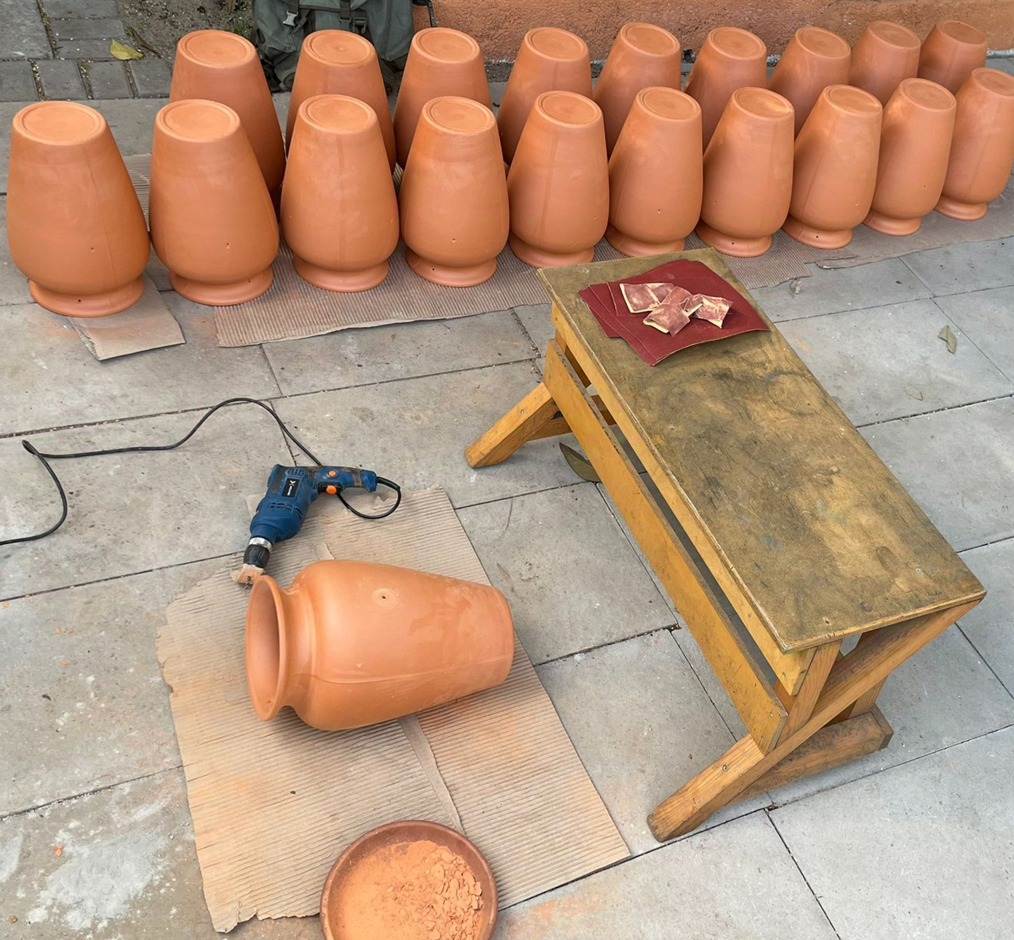
In addition to technological development, the project offers energy-efficiency training sessions and DIY workshops. During these activities, participants build their own heaters, take them home, measure performance and comfort, and provide feedback that helps improve the prototypes.
With support from the IMPETUS Accelerator and mentorship from Kat Austen, the project expanded to include research on soft insulation. This work explores simple, low-cost methods to improve home energy efficiency without requiring structural renovations. At the same time, the network of citizen scientists grew to include refugees and residents who actively contribute to the research, as well as students and researchers who help shape the next iteration of the SOS Heater.
Why it matters
Portugal experiences high levels of winter energy poverty. Many homes lack proper thermal insulation or central heating, and many households cannot afford adequate warmth. Conventional electric heaters typically consume 1500-2000 watts, making them costly and inaccessible for vulnerable groups.
SOS Heater offers an alternative that operates at just 250 watts. Instead of heating entire spaces, the system focuses on heating people directly, significantly reducing electricity costs while lowering emissions and improving comfort.
Beyond the device itself, the project strengthens community capacity. Participants gain technical confidence, practical skills and a sense of ownership over research that directly affects their daily lives. In this way, citizen science becomes a bridge between academic knowledge and communities often excluded from innovation processes.
What IMPETUS provided and what we learned
Participation in the IMPETUS Accelerator was transformative for the project. It provided funding to deepen research and strengthen collaboration with universities. Mentorship helped structure the project’s methodology, data ethics and documentation practices. The programme also offered training on citizen science frameworks, evaluation and community engagement, while increasing the project’s visibility and legitimacy at national and European levels.

Through this process, the team learned how to translate a grassroots, maker-driven initiative into a rigorous citizen science project. Approaches to data collection, anonymity protection and co-creation with vulnerable groups were significantly improved. The experience also opened doors to new academic partnerships and strengthened confidence as social innovators.
”“I joined because my room was freezing, but now I feel that I am helping build something that will help many more people, not only me.”
one participant, A.B., a citizen scientist from a low income household, shared.
What comes next
The next phase of SOS Heater focuses on completing a commercial-grade prototype currently in development. The team plans to share the technical fundamentals with manufacturers interested in helping scale the solution. Future work will expand testing, strengthen partnerships with social institutions and continue combining technology, creativity and community innovation to make warm homes accessible to everyone.