
Project Description:
Plastic pollution and the problems it poses are well known among the general public, including school-age children. This project will uncover why this is the case by researching and working with children and their school communities to understand how knowledge about plastic pollution has been communicated so effectively. These results will be used to develop workshops and activities, with participants’ input, to utilise these communication methods to increase understanding and raise awareness of the challenges and solutions that can be put in place to help combat the climate crisis, and to enable participants to make positive change. Overall, this project will allow us to learn what drives people to retain and act on knowledge about environmental issues, and how this can be harnessed to bring positive action to the communities we work with to help fight climate change.
Project Type: Kickstarter
Theme: Public Trust, Education and Empowerment
Mentor:Ilidio Andre
Lessons for the Planet
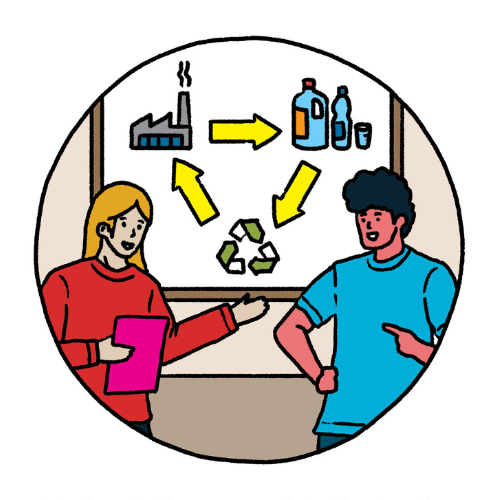
Many people are now familiar with the environmental problems caused by plastic pollution and the actions we can take to reduce it—and rightly so. But what about climate change? Messages about plastic pollution have been exceptionally well communicated to primary-school children, while small actions to tackle climate change through simple lifestyle changes are far less well known, despite being just as easy to adopt.
Our project, “Turning Plastic Awareness into Climate Action: Lessons for the Planet,” aims to identify the most effective communication methods for conveying messages about plastic pollution and apply them to raising climate change awareness and promoting sustainable actions children can take in their own lives.
Working with children aged 7–11 in seven primary schools in Cornwall, UK, we invited them to become our citizen scientists across three visits:
Visit 1:
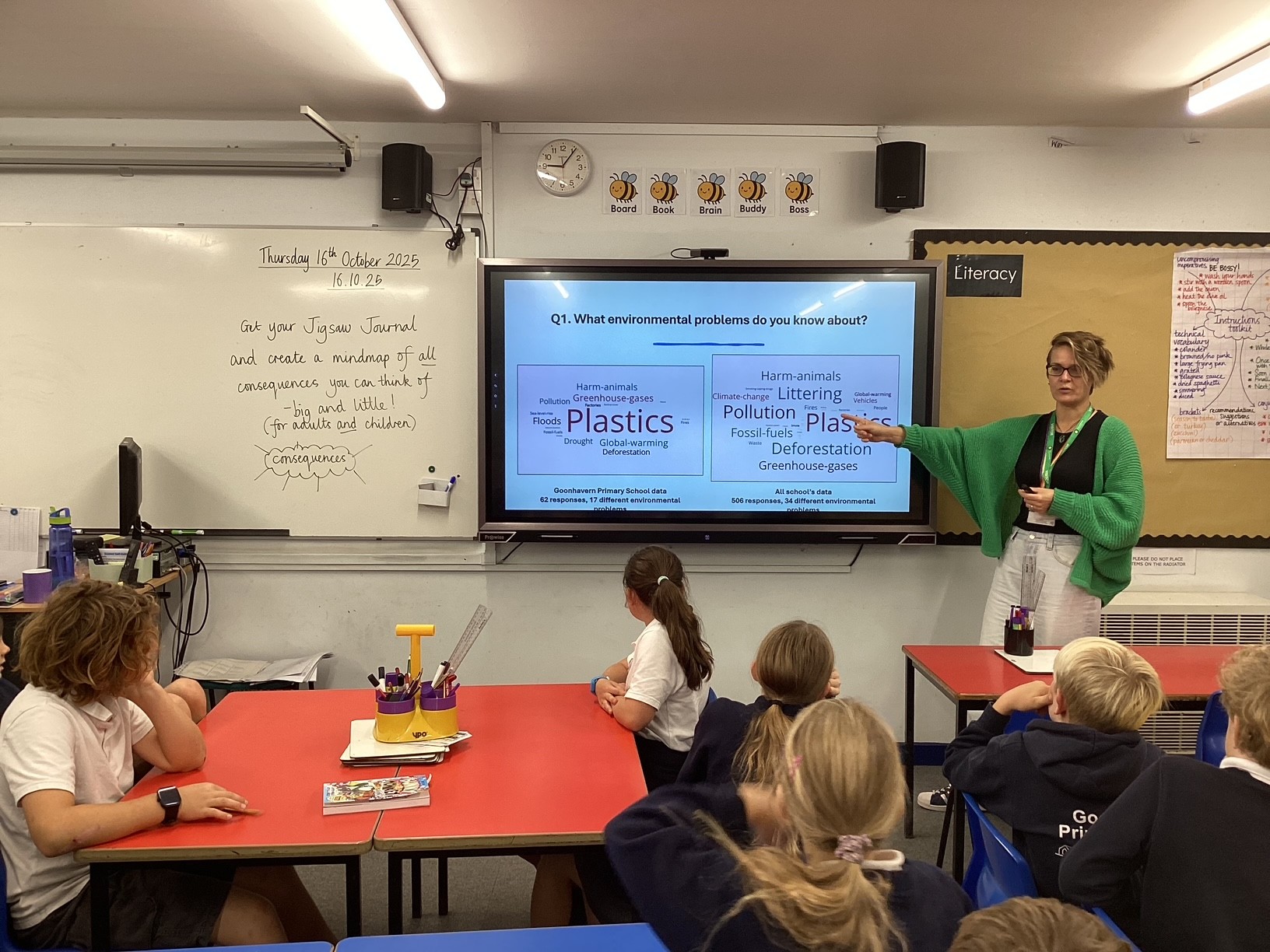
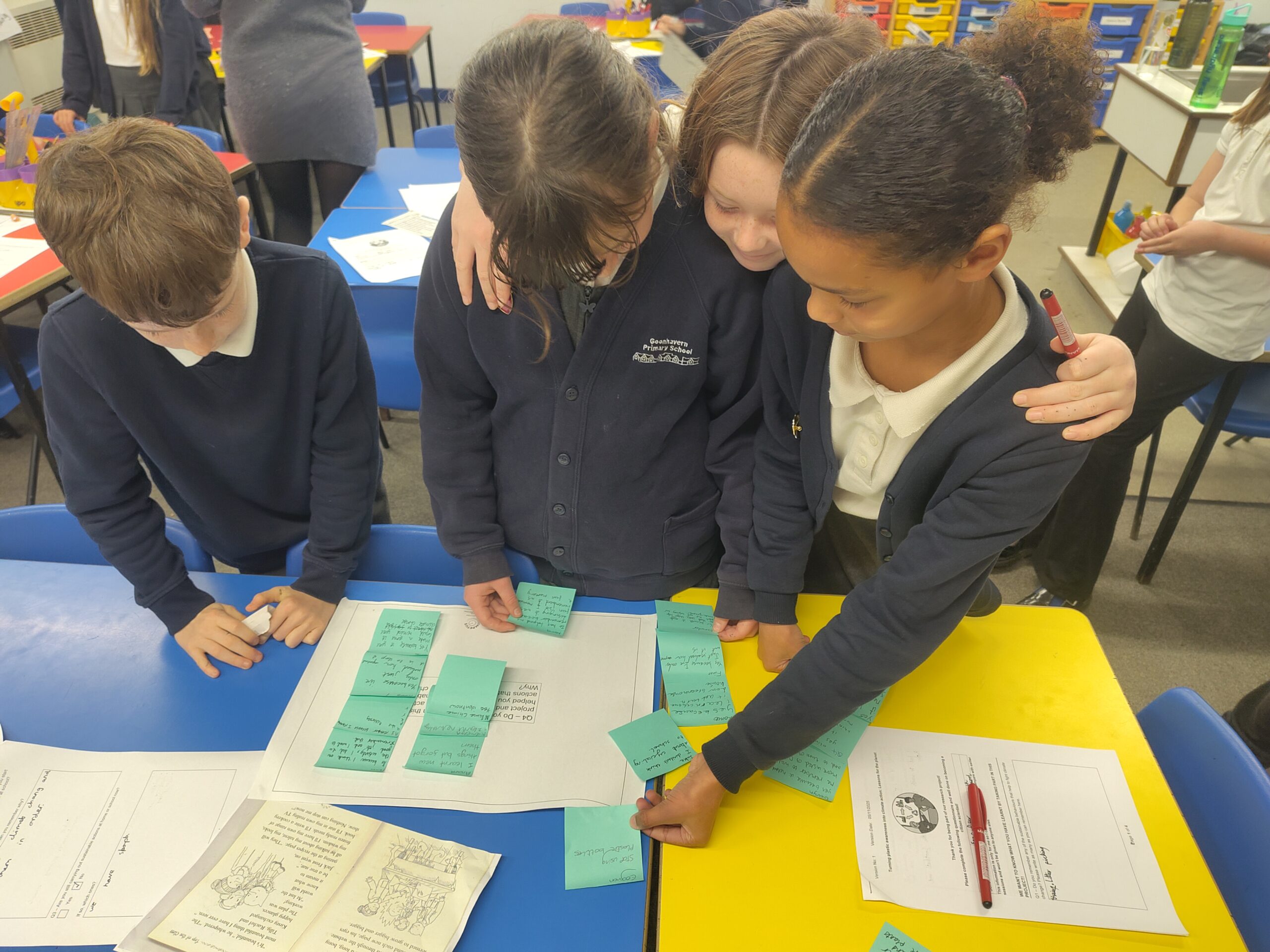
Exploring how information about plastic pollution has been communicated and retained by children—both at school and at home—with the children beginning to analyse their own responses.
Visit 2:
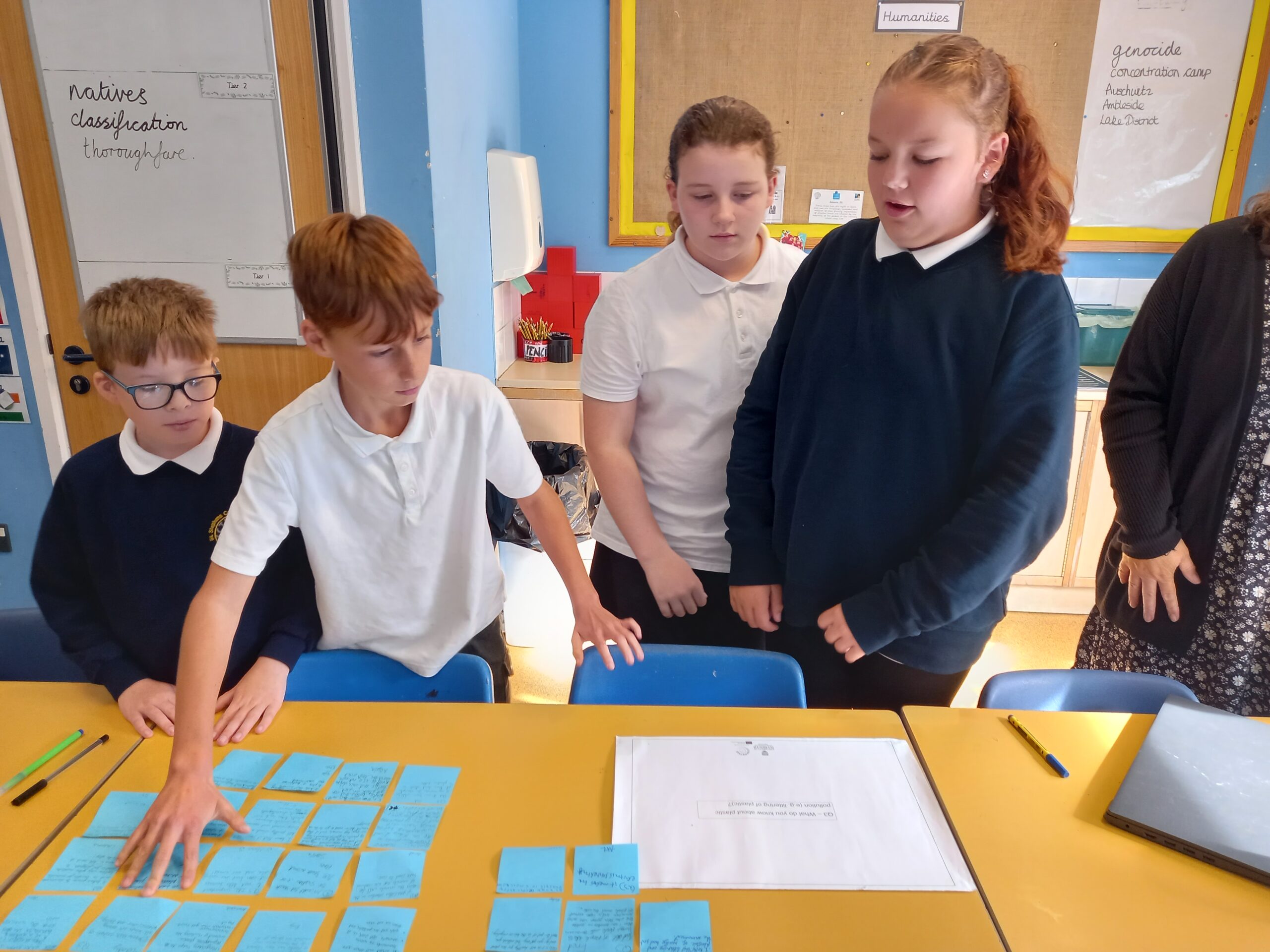
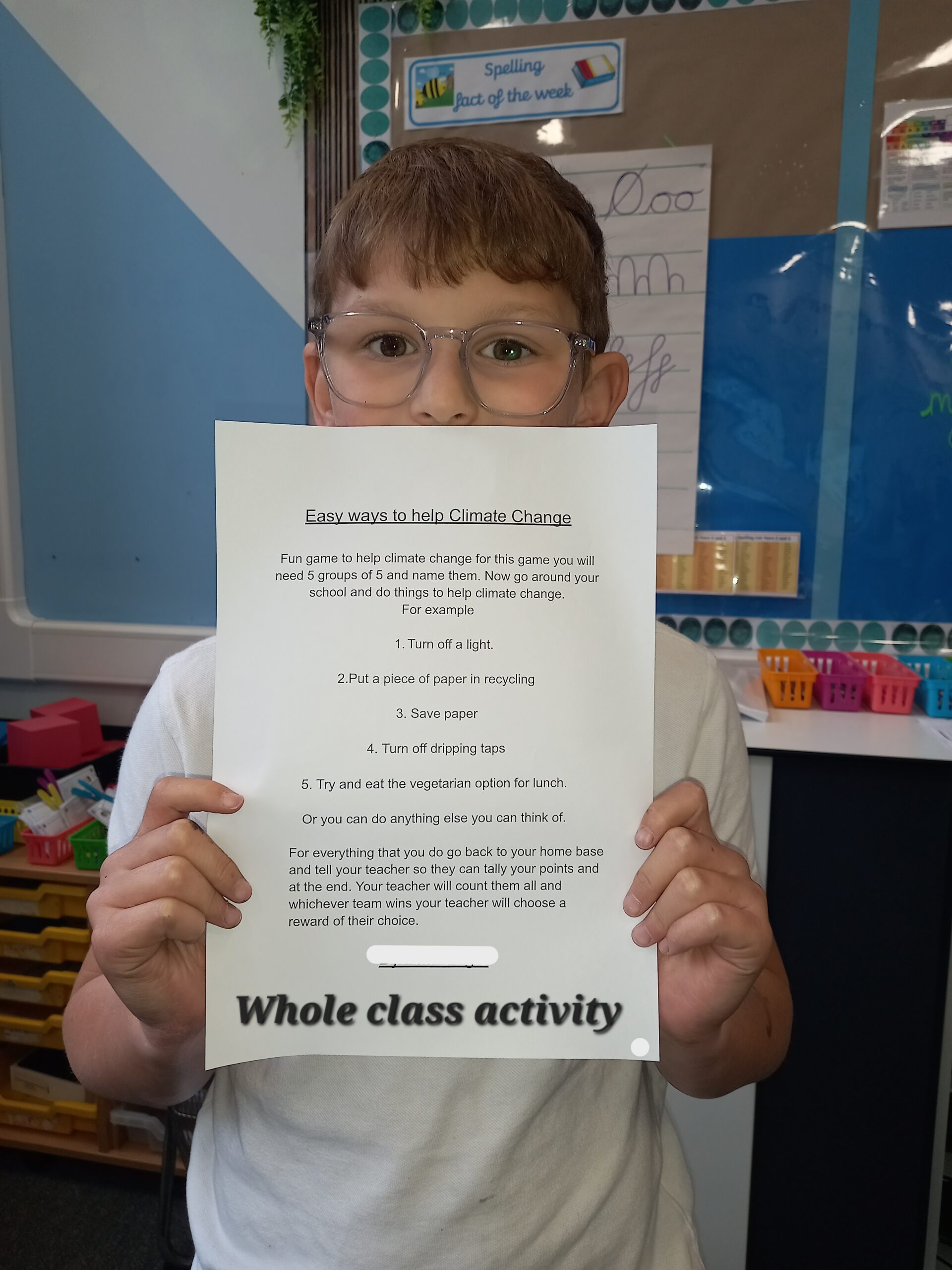
Introducing climate change, sustainable actions, and the communication methods identified in Visit 1. The children then designed activities to help spread the message that simple, sustainable actions can reduce greenhouse gas emissions and combat climate change in fun, hopeful ways.
Visit 3:
Investigating whether information about sustainable actions had been retained or adopted at home and/or school, with the children again taking part in analysing their own responses.
We also collected supplementary information from teachers and parents/carers after Visits 1 and 3 to better understand and contextualise the children’s insights.
Reducing greenhouse gas emissions is crucial in the fight against climate change. By introducing small, achievable climate solutions—just as has been done successfully for plastic pollution—we hope to build sustainable habits and values in our young citizen scientists. Our goal is to inspire a sense of achievement, hope, and positivity about the future through the actions they learn about and, hopefully, adopt.
We feel incredibly fortunate to be part of the IMPETUS Accelerator community. The advice and support we received were key to developing our first citizen-science project, particularly the communications and impact-assessment guidance. The programme also helped us consider how our findings could inform UK policy frameworks.
We hope that the insights gained from this project can now be shared with new schools beyond Cornwall to promote sustainable behaviours and that they may also be applied outside the formal school environment. Communicating sustainable actions isn’t just for classrooms—the tools developed by our young citizen scientists can be used in community groups with people of all ages and backgrounds. Ultimately, we aim to inspire many more people to adopt sustainable behaviours—switching one light off at a time.