
Project Description:
The project “Waste-free Wantage” is a collaboration between the University of Nottingham and Sustainable Wantage to engage more of the community with the circular economy. Sustainable Wantage is a local environmental group that successfully runs several community circular-economy initiatives, including a repair café, a library of things, and a community fridge. These initiatives are demonstrably reducing waste. However, challenges remain in engaging community members in the activities, and Sustainable Wantage aims to reach a broader, more diverse audience. Waste-free Wantage will train citizen scientists to design and conduct social science research to investigate barriers to joining community circular-economy initiatives.
Project Type: Sustaining
Theme:Resource Management
Mentor:Rachel Pateman
Breaking barriers to community action
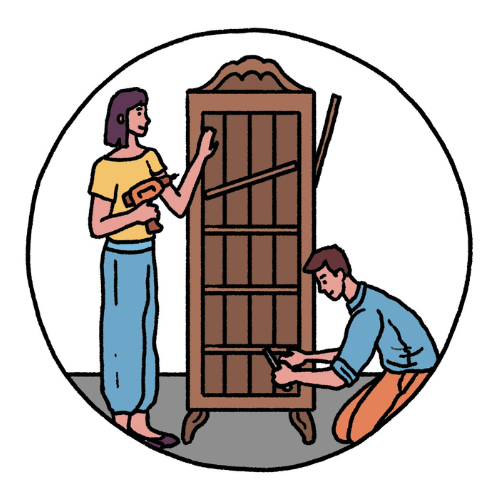
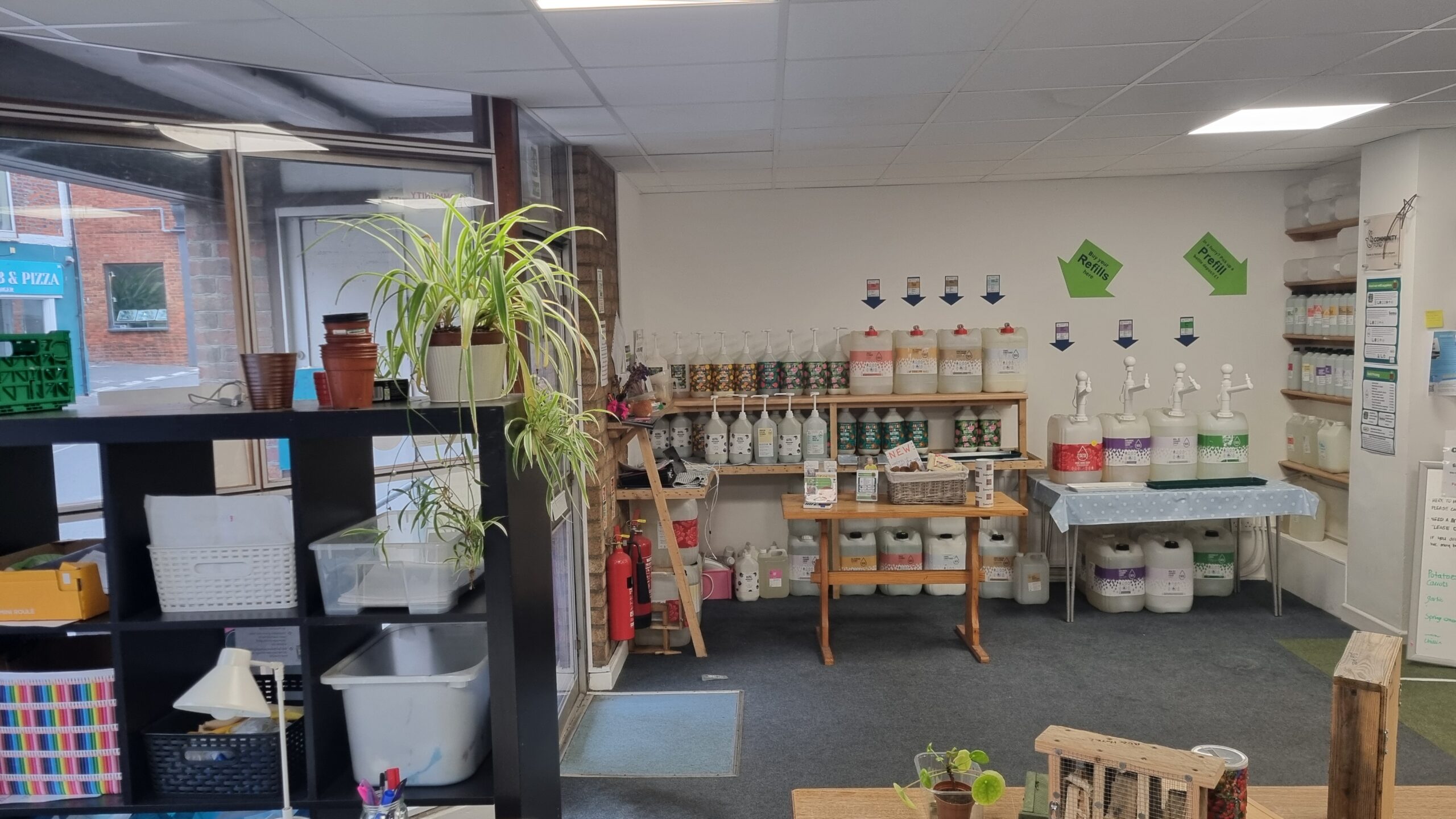
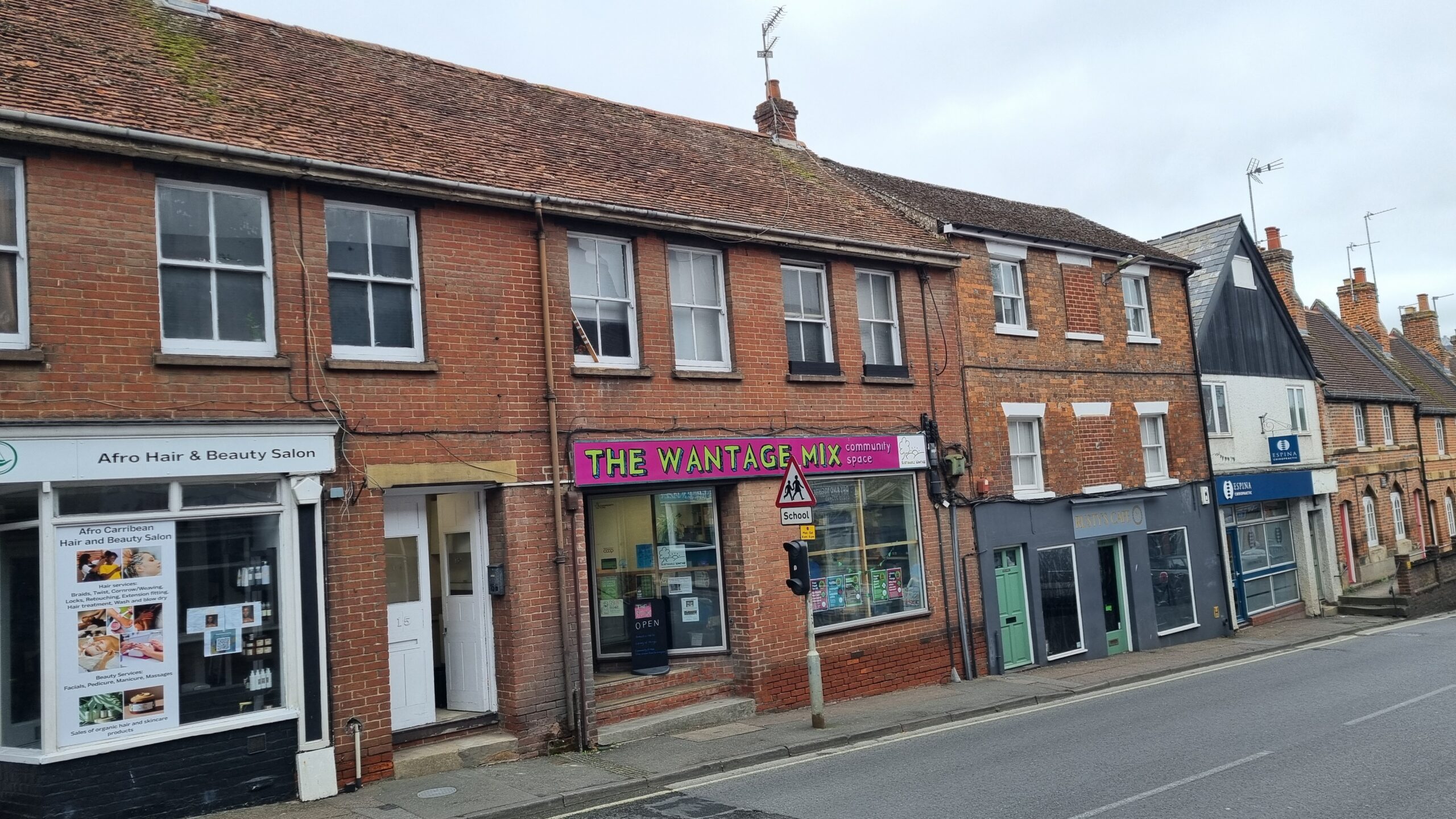
Sustainable Wantage is a local environmental group in Wantage and Grove, UK, running practical initiatives such as a repair café, a library of things, a community fridge, and a refill shop. These activities make a tangible difference in reducing waste locally. The dedicated team of staff and volunteers, led by Sustainability Coordinator Jo Harvey, has ambitions to achieve even more — but only if they can engage a broader cross-section of the town.
In 2024, Parky, a PhD student from the University of Nottingham, visited the Sustainable Wantage team. His research focuses on how communities engage with the circular economy, and he was keen to explore how this was unfolding in Wantage.
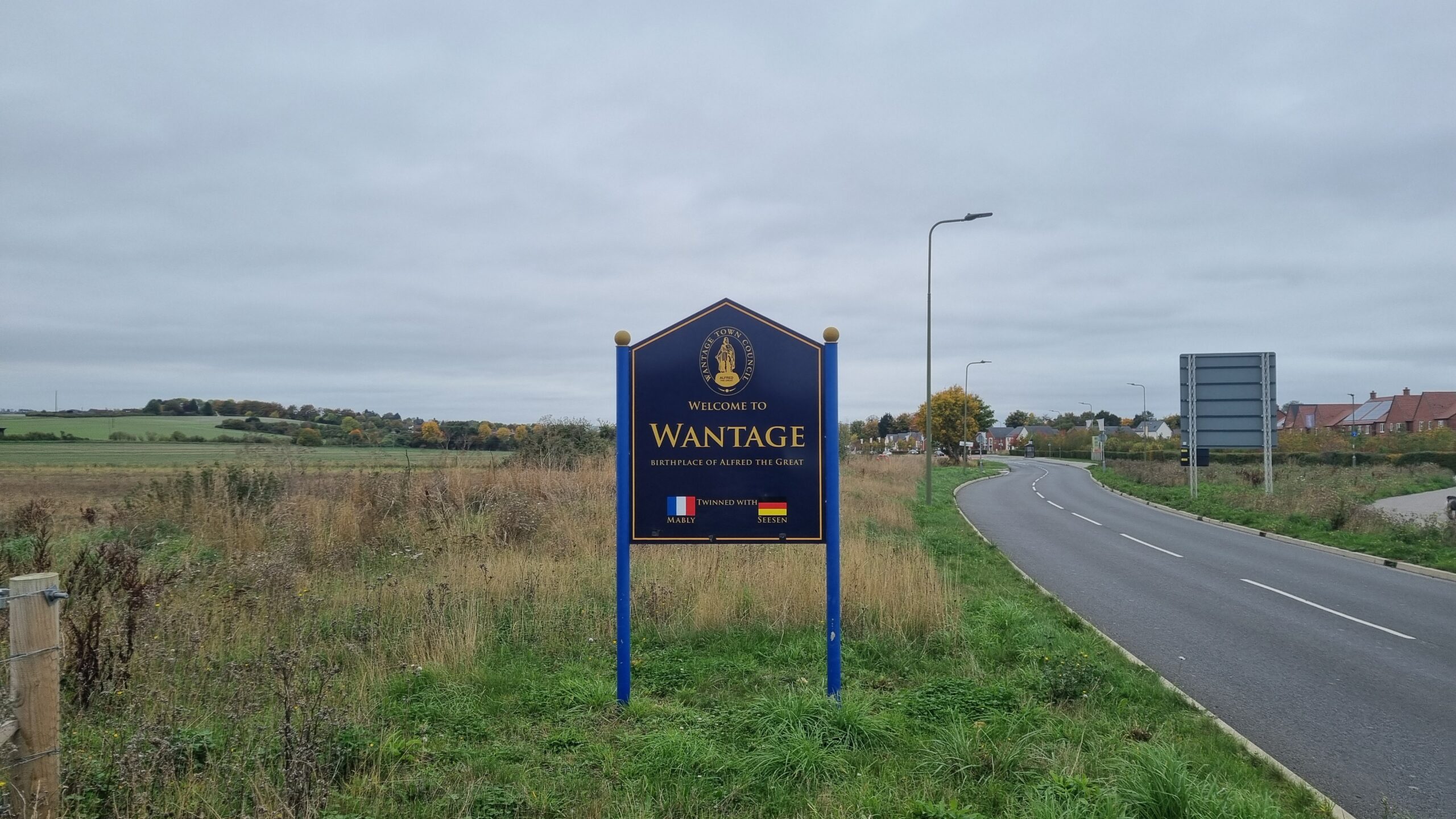

The IMPETUS Accelerator programme created the opportunity — and the impetus — to bring everyone together. Sustainable Wantage joined forces with researchers from the University of Nottingham, including Liz Dowthwaite, to address the challenge of community engagement. Through the Waste-free Wantage project, university researchers worked alongside volunteer citizen scientists to design and run social-science investigations into the barriers preventing people from taking part in community initiatives. The aim was to generate actionable evidence to help Sustainable Wantage involve many more residents.
Why this matters
We live in a society that uses too many resources and produces too much waste. Put simply, we buy and throw away far too much, placing a huge burden on the environment. The circular economy offers an alternative, one where we reuse, repair, and share what we already have, rather than continually buying new.
Community-led initiatives such as repair cafés and libraries of things show how local action can drive meaningful change. But for these initiatives to reach their full potential, they must be accessible and appealing to everyone in the community, not just enthusiastic environmentalists.
What the project achieved
The work began with co-design workshops, where researchers and volunteers shaped the research questions and methods together. This collaboration resulted in three teams of citizen scientists and three new research projects exploring practical questions, such as:
-
What prevents registered users from borrowing items from the library of things?
-
How can the refill shop be better promoted?
-
Why aren’t more young people attending clothes-swap events?
Data was gathered through surveys, focus groups, and think-aloud studies. Afterwards, citizen scientists and university researchers came together again in data-analysis workshops to interpret the findings and develop clear, practical insights for Sustainable Wantage to implement.
Looking ahead
The Waste-free Wantage project concluded with community events to share results, celebrate achievements, and explore future possibilities. A methodology guide was also created to help other community groups run similar citizen-science projects.
Ultimately, the project is about more than data: it’s about giving people the tools and confidence to shape change in their own town — and creating research that is genuinely owned by the community it serves.