
Project Description:
Vyakulani – “in the Food” or “which food” – is a Swahili term with a dual meaning that captures the essence of our project. The Vyakulani Africa II project addresses the challenges of transmitting African food traditions in Europe by identifying practical ways to bridge the knowledge gap. The research will focus on two key groups: Transmitters – African women facing difficulties in passing down their food traditions. Receivers – Second-generation women of African descent and non-Africans who are interested in learning African culinary traditions. We will gather data from women aged 18 and above to assess their knowledge of African cuisine, how they acquired it, and the factors that facilitate or hinder intergenerational knowledge transfer. To address any gaps in culinary knowledge transfer, we will provide training for older women to help them adapt their traditional recipes into easy-to-follow formats. These women will then lead cooking sessions to educate young people and non-Africans on African culinary practices.
Project Type: Sustaining
Theme: Inclusion
Mentor: Antonella Pasani
Vyakulani Africa II: Transmitting African Food Traditions in Europe
Vyakulani Africa II, themed Vyakulani Africa Women, is the second phase of the Vyakulani Africa project and focuses on strengthening the transmission of African food traditions in Europe. This phase responds to growing challenges faced by African diasporic communities, particularly women, in passing down culinary knowledge across generations and communities. The project aims to identify practical, sustainable pathways to bridge this knowledge gap.
As a Sustaining Programme within the IMPETUS Accelerator, Vyakulani Africa II builds on the achievements of its first phase while expanding its scope and impact. The Food Bridge vzw leads the project in collaboration with the Africa Museum Belgium, the Diaspofood Research Group at Université Libre de Bruxelles, FOST at Vrije Universiteit Brussel, Sankaa vzw and additional partners.

Women at the heart of intergenerational culinary knowledge
The central aim of this phase is to sustain African diaspora foodways in Brussels and strengthen their integration into the wider Belgian food system. This is achieved through women-led intergenerational and intercommunal culinary knowledge transfer, recognising the crucial cultural role women play as custodians, educators and innovators of African food heritage.
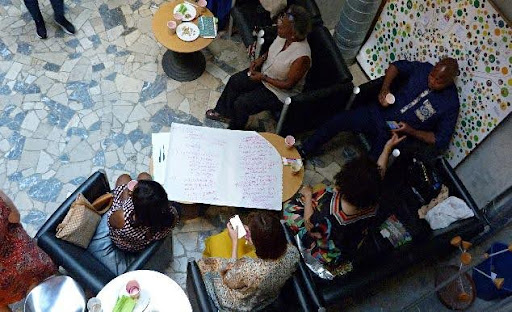
Using a citizen science research methodology, the project focuses on two main groups.
Transmitters are older African women who hold extensive culinary knowledge but face barriers to transmitting these traditions within diaspora contexts.
Receivers include second-generation youth of African descent and non-African participants who wish to learn, practice and appreciate African culinary traditions.
Citizen science in action
The citizen science approach ensures meaningful community participation throughout the project. A core group of citizen scientists and volunteers has been involved from the conceptual stage through to implementation and will also contribute to evaluation.
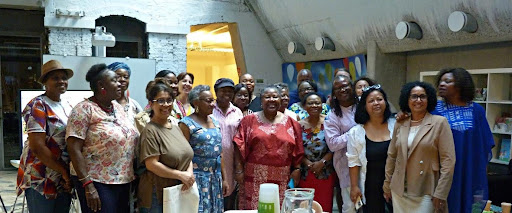
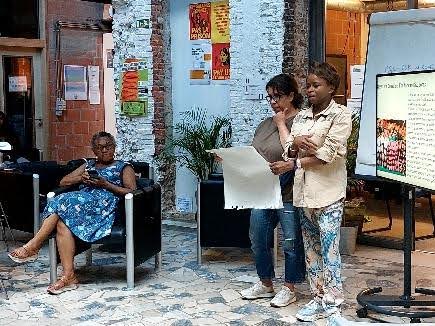
The project began with an information session attended by community members, local politicians and policymakers. During breakout sessions, participants helped refine the research questions and identify priority areas. Potential citizen scientists were also selected during this event.
A Women and Food programme was later organised with chef and culinary author Ozoz Sokoh at Muntpunt, a public library in Brussels. This event brought African food traditions into an accessible public space, engaging non-African audiences alongside the African diaspora. In addition, a practical session with African home cooks was held to discuss the methodology further and to participate in a joint cooking session featuring a variety of African dishes.
Project partners have supported outreach by publishing articles on their platforms, helping to raise awareness and encourage broader engagement.
From research to practice
Vyakulani Africa II has now entered its practical phase, which includes training sessions and cooking demonstrations. An online planning meeting with experienced African women cooks was organised to design the training programme and select the dishes that will be taught.
The first training session with a professional chef is scheduled for 6 December 2025. These sessions aim to equip women cooks with additional skills and confidence to teach diverse audiences, including young people and non African participants.
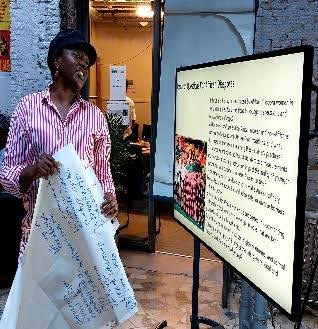
Recruitment of youth and non African learners is ongoing through Food Bridge events, partner activities and youth networks. Once the training phase is complete, the women cooks will begin offering community cooking classes, ensuring sustained and meaningful transmission of African culinary knowledge.