Project Description:
The Feeding Inclusion project is a citizen-led initiative that investigates the exclusion of migrant communities from local food sovereignty networks in Valencia and their access to a quality diet. A pilot group of 10 migrants will co-design and conduct activities such as surveys, focus groups, in-depth interviews, and counter-mapping workshops to identify barriers and co-create solutions. The project actively engages the University, migrant associations, food sovereignty groups, and local social services to ensure a broad, collaborative impact. Key outputs include reports, a map of accessible food points, and a self-published fanzine featuring migrants’ food stories and additional results. The project fosters intercultural dialogue, epistemic justice, and social cohesion by empowering marginalised groups to generate knowledge and solutions to current problems.
Project Type: Kick Starter
Theme: Inclusion
Mentor:Louise Francis
Feeding Inclusion: Co-creating Food Sovereignty With Migrant Communities in Valencia
Feeding Inclusion is a citizen science project led by the AMAE Association, in collaboration with the University of Valencia, a team of migrant citizen scientists, local organisations, and community actors from across the city. The project emerged from a shared question: How can we improve access to sustainable and culturally meaningful food for migrant communities in Valencia?
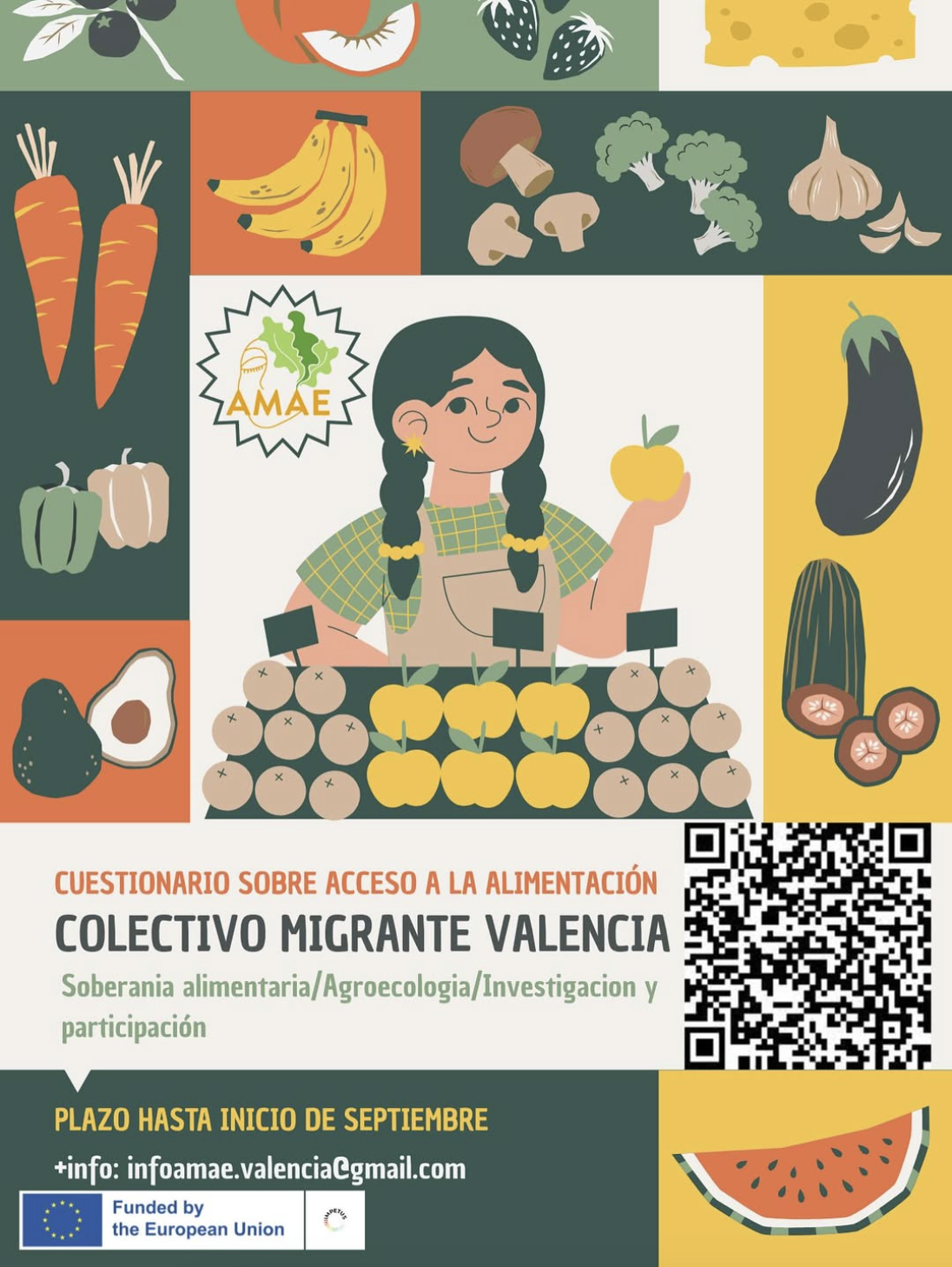
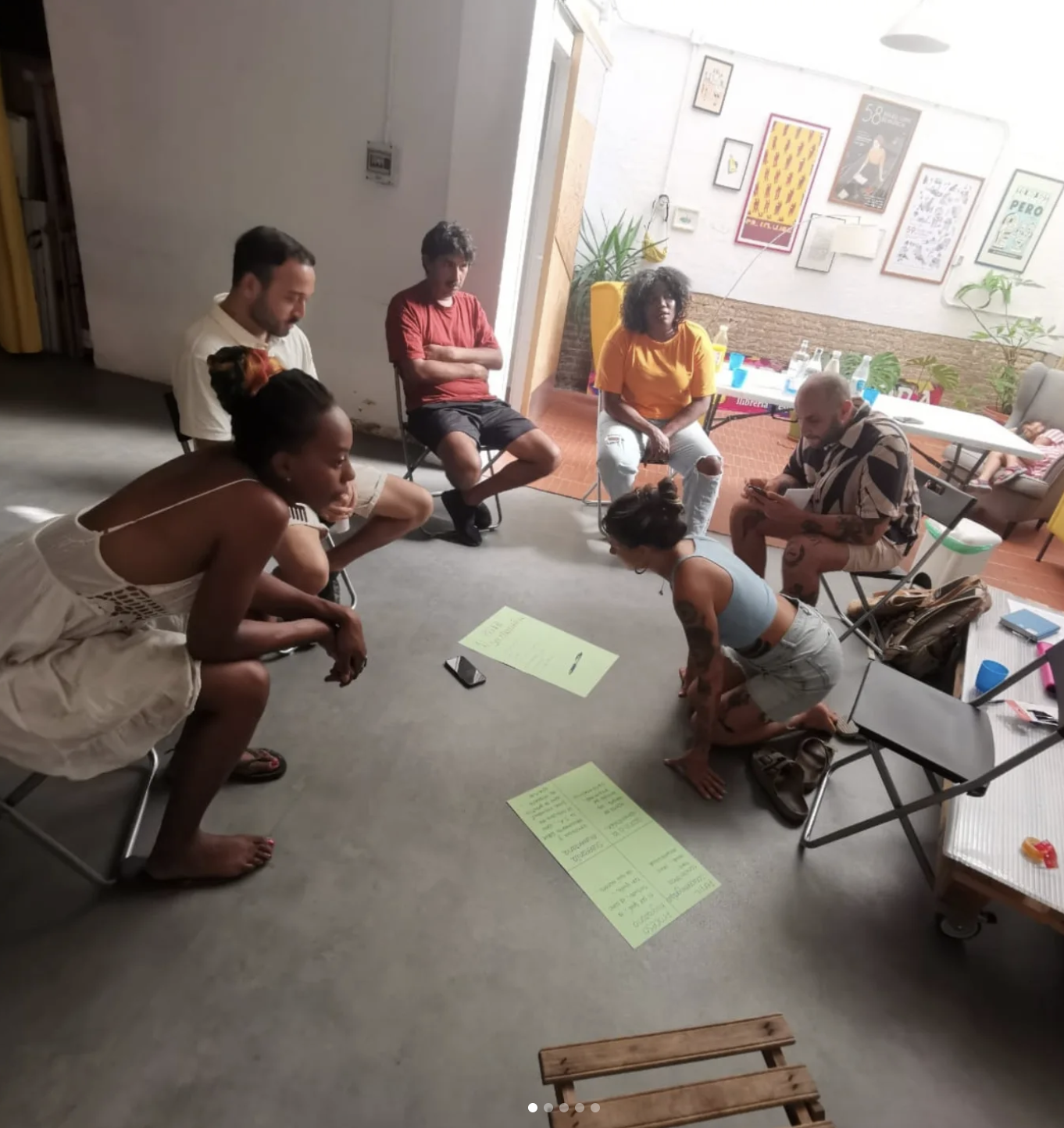
Between June and November, we carried out a participatory process that combined quantitative and qualitative research with community-driven action. The project began with the formation of a migrant pilot group, who co-designed and disseminated a citywide survey on food access and food sovereignty among migrants in Valencia. More than 300 people contributed their perspectives, describing barriers such as affordability, limited availability of culturally relevant foods, lack of information, and structural inequalities.
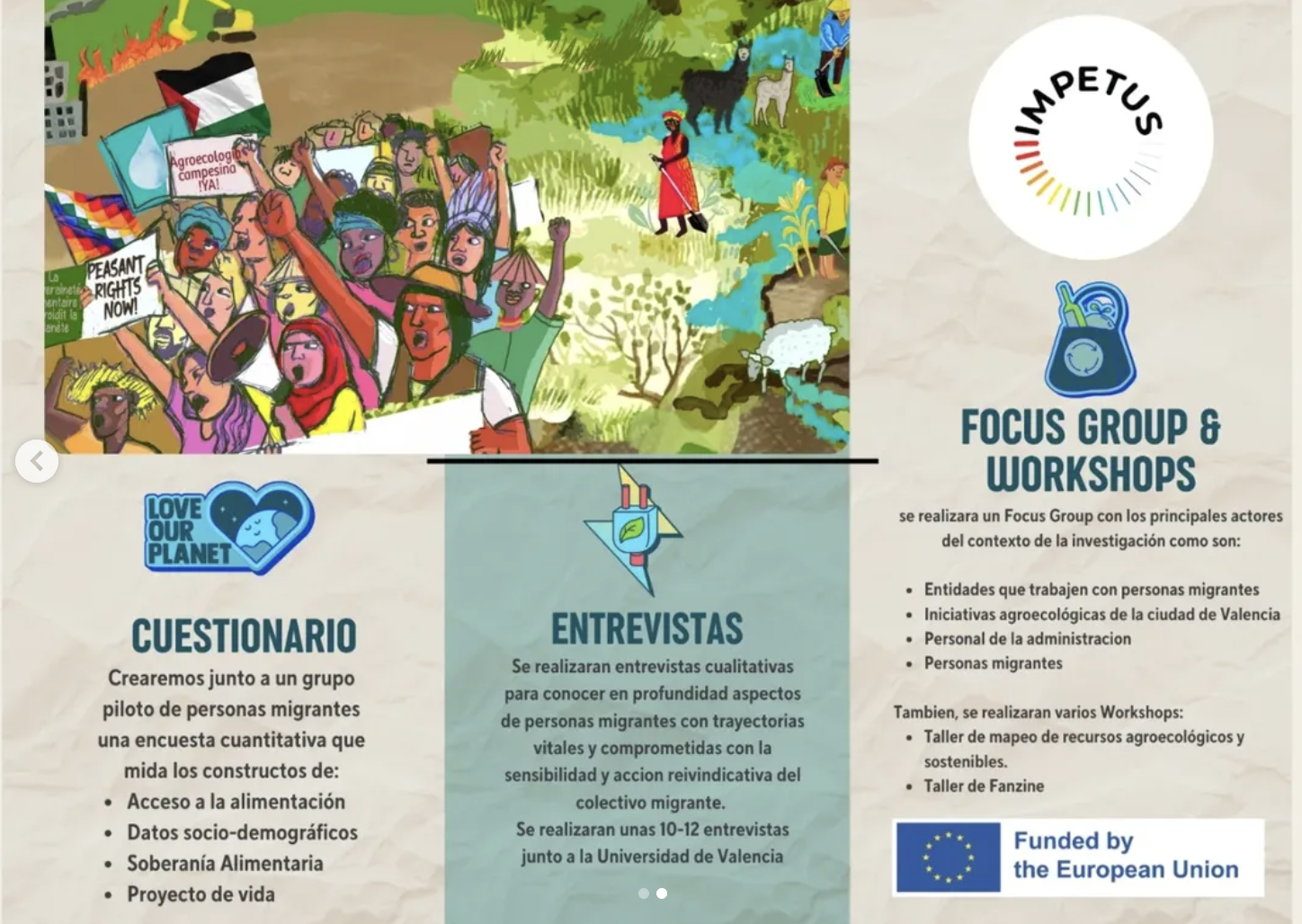
Building on the survey results, we organised a multi-stakeholder focus group with migrant associations, agroecology initiatives, activists, and social services to collectively interpret the findings and identify possible solutions.
We then launched the qualitative phase: in-depth interviews led by the migrant citizen scientists themselves, exploring how migration shapes food practices, cultural identity, health, and people’s sense of control over their diets. This participatory approach positioned migrants not only as participants but as co-researchers actively shaping the knowledge produced.
Finally, supported by local organisations in Orriols and Torrefiel, we held a community counter-mapping workshop to identify neighbourhood food environments—including sustainable outlets, culturally diverse shops, community kitchens, gardens, and informal support networks. This process helped visualise both barriers and community assets from the lived perspective of local residents.
Why is this important?
Food is not only nutrition—it is identity, belonging, agency, and dignity. Migrant communities in Valencia often face multiple barriers to accessing sustainable and culturally adequate food, yet their perspectives remain underrepresented in urban food policies and agroecology networks.
Our project strengthens epistemic justice, ensuring that migrant voices help shape the understanding of the problem and the design of solutions. By generating evidence through co-research, we amplify community knowledge and help institutions recognise food access as a key element of integration, social cohesion, and well-being.
IMPETUS provided critical support through funding, training, mentoring, and peer exchange. Through this support, we strengthened our skills in:
-
participatory methodologies
-
responsible research and innovation
-
community engagement
-
evaluation and impact assessment
-
science communication
The mentoring process helped us refine our activities, improve our tools, and build stronger bridges with local organisations and policymakers.
The project continues with:
-
Co-creating a community fanzine sharing migrant food stories, barriers, and proposals.
-
Publishing the counter-mapping results to advocate for more inclusive food environments.
-
Holding a final public event where the migrant pilot group will present findings and policy recommendations.
-
Building long-term alliances with social services, agroecology networks, and neighbourhood organisations to develop concrete initiatives such as food-education workshops, intercultural cooking spaces, and community gardens.
As one of our citizen scientists, Mariam, said:
”“I joined this project because food is the first thing that changes when you migrate. Sharing our stories helps us feel part of the city, and helps the city understand us too.”
Feeding Inclusion is only the beginning of a collective journey toward a fairer, more sustainable, and more inclusive Valencia.