
Project Description:
PAIR is an intergenerational citizen science initiative developed by the Vall d’Hebron Institute of Research (VHIR) together with Parkinson’s patients, educators, and students. It uses Service and Learning (SaL) methodology to bring together teenagers from underserved neighbourhoods in Barcelona and individuals living with Parkinson’s to co-create inclusive activities that promote emotional well-being and social connection. Over the next seven months, PAIR will expand to four schools and engage approximately 100 students and 40 patients. The joint sessions will be co-created and implemented through a mix of creativity, movement, and dialogue. Participants will collaboratively collect and interpret data on empathy and well-being. The project includes advocacy actions to integrate PAIR into city-wide policies and curricula. PAIR demonstrates how citizen science can reduce stigma, empower youth, and enhance care for neurodegenerative conditions, offering a scalable model for inclusive, participatory health innovation.
Project Type: Sustaining
Theme: Inclusion
Mentor: Patricia Tiago
PAIR: growing an intergenerational citizen science model from pilot to sustainable local programme
PAIR (Parkinson Intergenerational Care) is a citizen science project led by the Vall d’Hebron Research Institute (VHIR) that brings together people living with Parkinson’s disease, secondary school students, researchers, educators, and civil society organisations. Coordinated by Ariadna Laguna, senior researcher in neurodegenerative diseases, the multidisciplinary team includes clinicians, nurses, teachers, patient associations, and impact and engagement specialists.
The project is implemented in Barcelona, Spain, with a particular focus on underserved neighbourhoods surrounding the Vall d’Hebron Hospital Campus, such as El Carmel.
Intergenerational Learning as Citizen Science
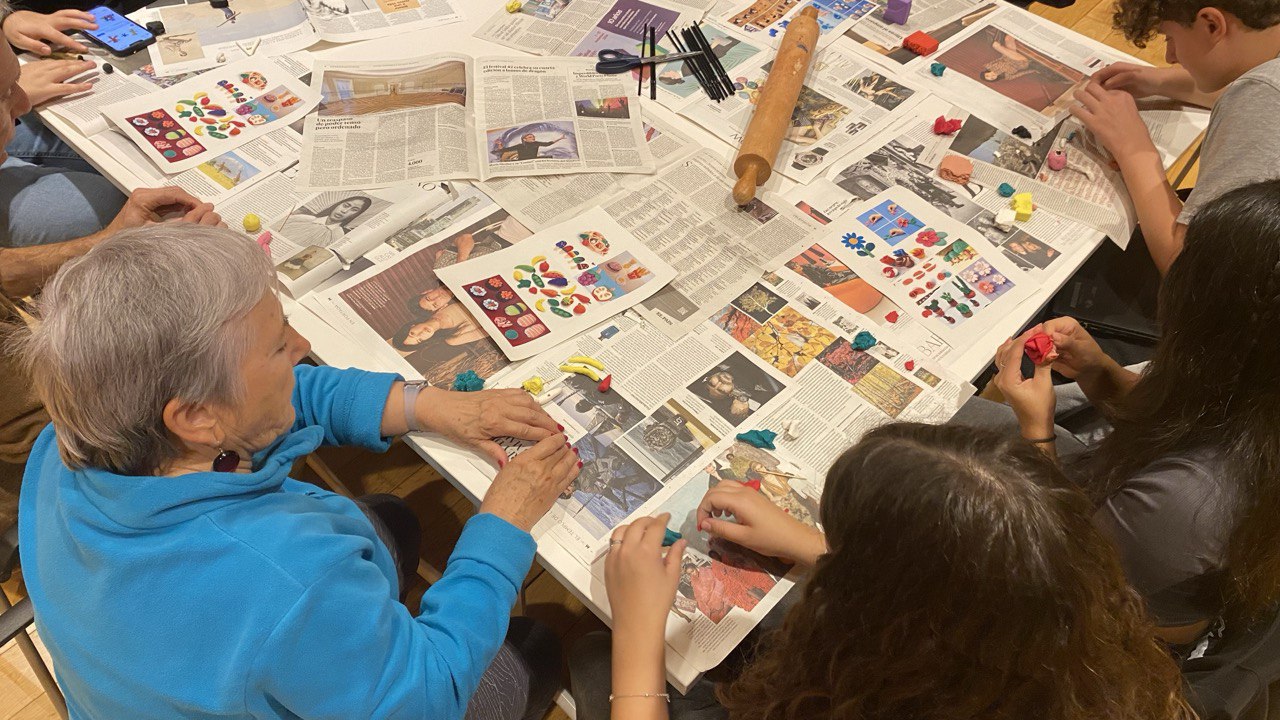
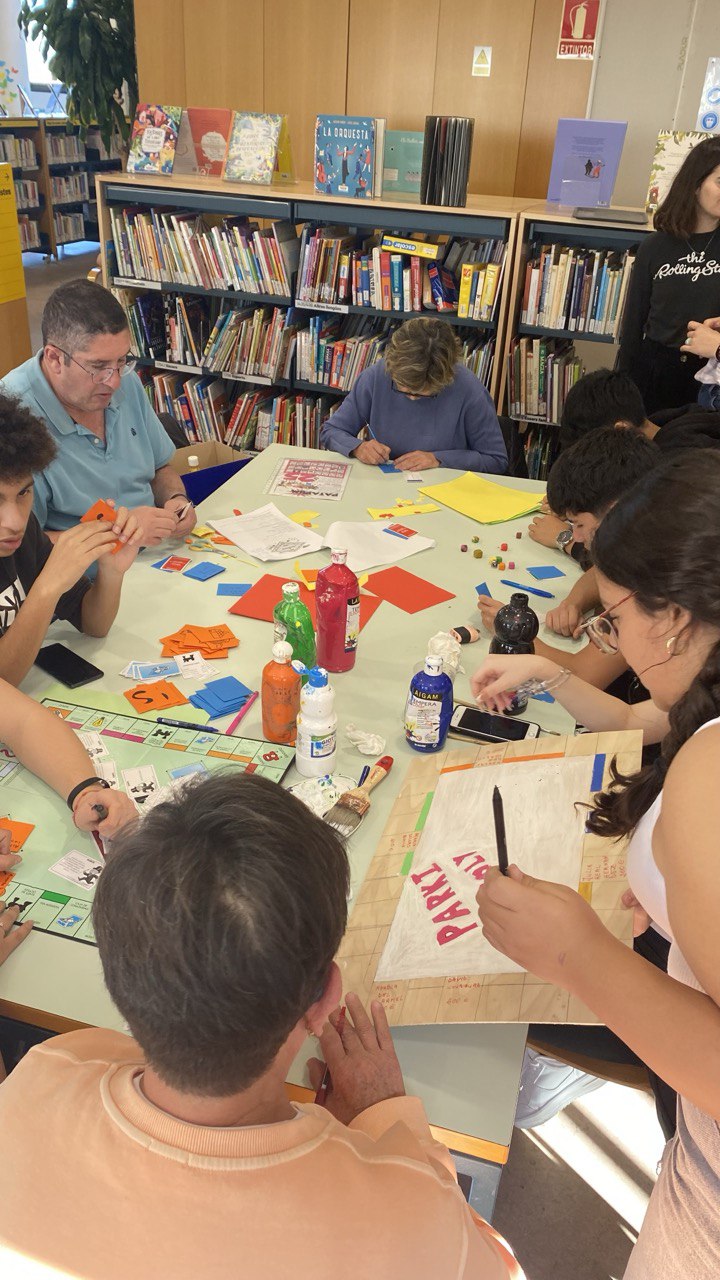
PAIR uses an intergenerational Service and Learning approach to connect students aged 15 to 17 with people living with Parkinson’s disease. Together, they co-create emotional support activities while also acting as citizen scientists. Participants collaboratively design questionnaires, collect data, and reflect on findings related to well-being, empathy, and attitudes towards Parkinson’s disease.
This approach positions lived experience and scientific inquiry on equal footing, creating meaningful opportunities for learning, care, and knowledge production across generations.
Addressing Social Isolation and Health Literacy Gaps
The project responds to two interconnected challenges. Many people with Parkinson’s experience social isolation and emotional vulnerability, which can negatively affect quality of life and disease management. At the same time, young people in socioeconomically disadvantaged areas often have limited access to hands-on scientific experiences and health-related learning.
PAIR addresses both by creating shared spaces for care, research, and reflection, in which participants support one another while contributing to citizen-led research.
Growing Through the IMPETUS Accelerator
PAIR has participated in the IMPETUS Accelerator for two consecutive editions. In 2024, the project received Kickstarter support, enabling the team to consolidate a first pilot edition and demonstrate its social and emotional value. This work was recognised at the European level with an honorary mention from the EU Prize for Citizen Science 2025, highlighting PAIR’s contribution to inclusive and participatory research.
In 2025, PAIR was awarded a Sustaining Grant to support the scaling and consolidation of the initiative.
Building Evidence and Measuring Impact
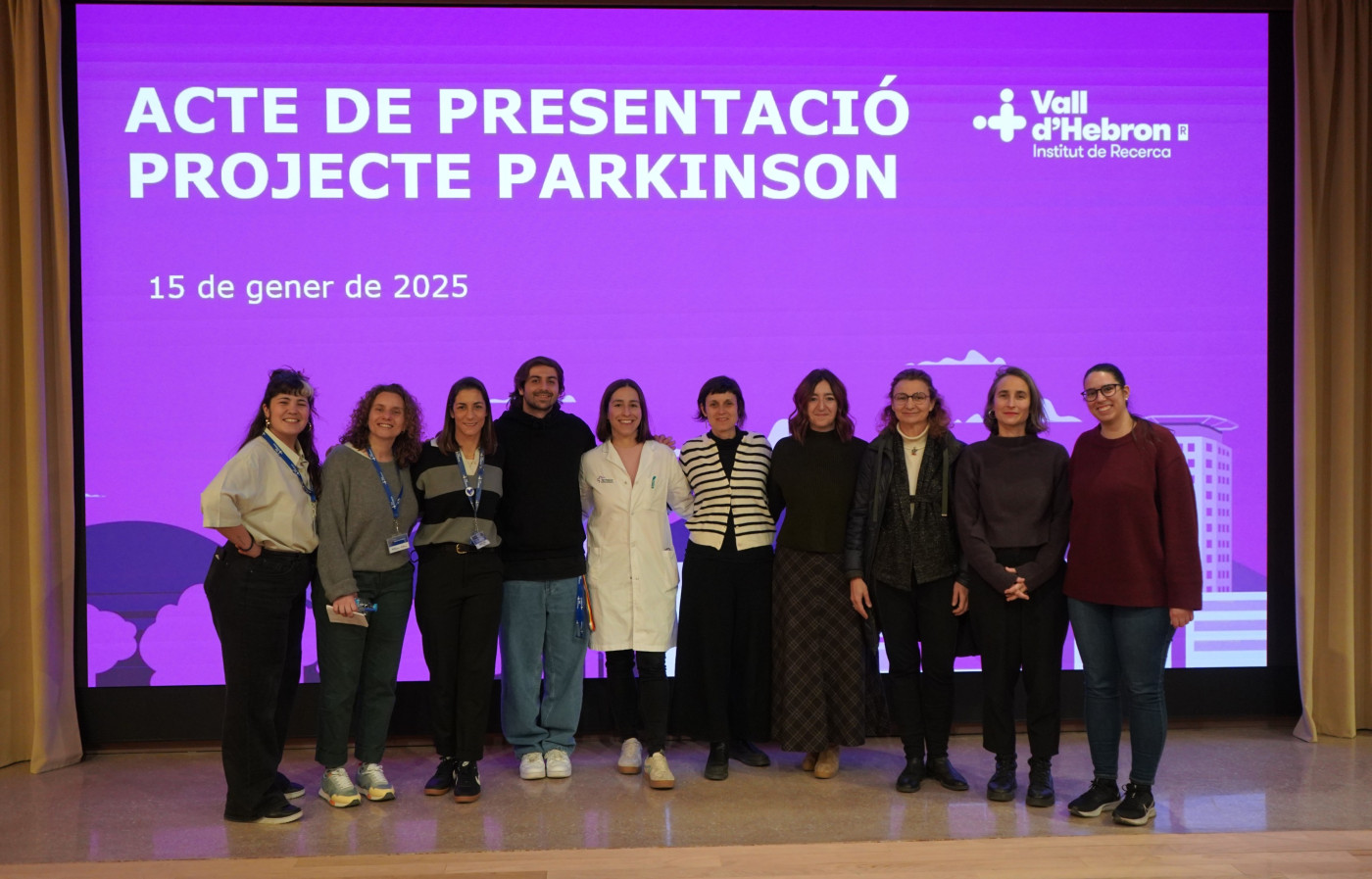
The second year of PAIR has been critical for strengthening its evidence base and long-term vision. In parallel with IMPETUS support, the project secured additional funding from La Caixa Connecta, enabling a comprehensive impact evaluation in collaboration with the Universitat de Barcelona.
The evaluation combines quantitative and qualitative methods to assess changes in emotional well-being, empathy, social connection, and attitudes towards illness and ageing among both students and people living with Parkinson’s disease.
Embedding PAIR in the Local Ecosystem
A major focus of the current phase has been strengthening collaboration with local actors and institutions. Schools, patient associations, healthcare professionals, civil society organisations, and municipal stakeholders actively contribute to shaping the programme.
This territorial approach aims to embed PAIR as a stable, long-term initiative integrated into existing educational and healthcare structures, rather than a one-off project.
Key Learnings: Rethinking Impact in Research
One of the most valuable lessons from the IMPETUS Accelerator has been learning how to articulate and assess impact beyond traditional academic outputs. Students experienced what it means to “do research with people, not on people”, while participants with Parkinson’s reported feeling listened to and valued.
”“Being part of PAIR made me feel useful again. Sharing time with students reminded me that my experience still matters, and that research can also be about human connection.”
As Emilia Durán, a participant with Parkinson’s and former secondary school teacher, explains.